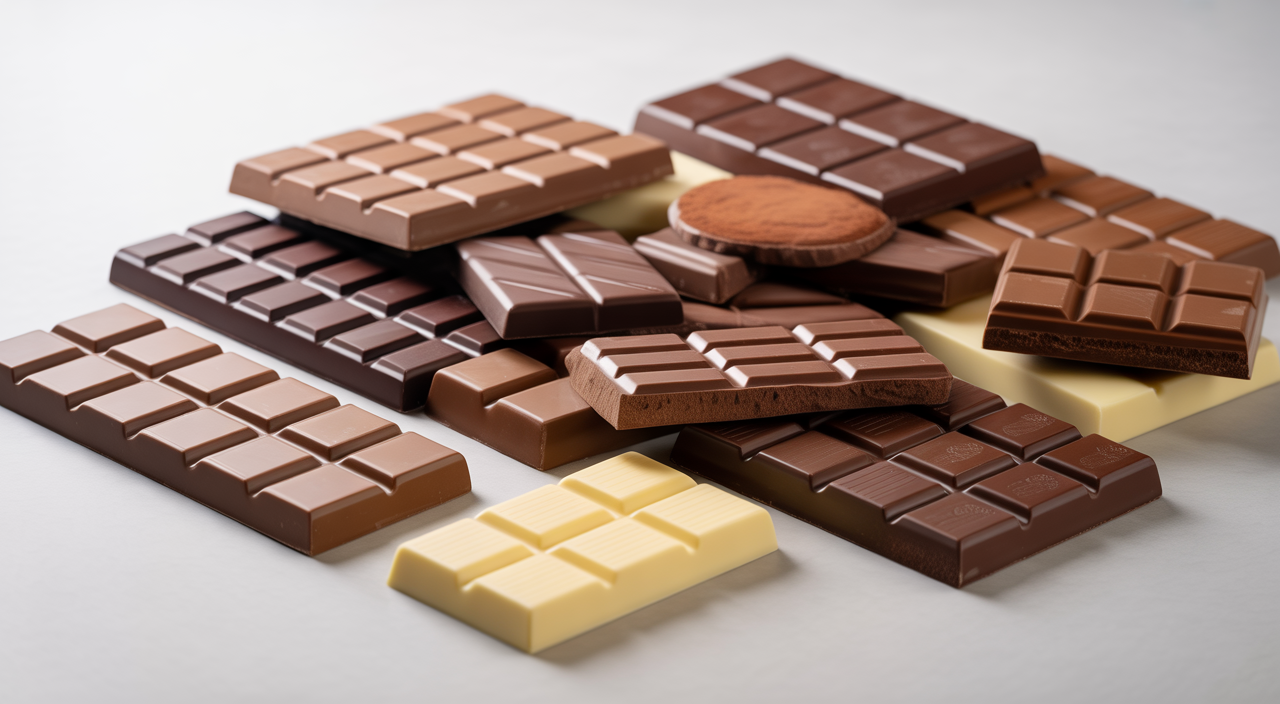
Picking the right chocolate can turn a simple cake or brownie into something truly special. But with blocks, chips, powders, and fancy names on the pack, it is easy to feel lost. This guide will help you understand which chocolate for baking to use, how to melt it, and how to get rich flavour every time.
Whether you bake at home on weekends or run a small baking business, the quality of your chocolate matters. Good chocolate gives you deeper taste, better texture, and more consistent results. Once you know the basics, you will choose with confidence and avoid wasted batches.
This article focuses on simple, practical tips you can use right away, especially if you often bake for friends, family, or paying customers.
Types Of Chocolate For Baking: What Really Matters
Most baking recipes use one of four main types of chocolate. The key difference is how much cocoa and sugar each one has. Cocoa brings flavour and richness. Sugar brings sweetness.
- Unsweetened baking chocolate: Pure cocoa solids and cocoa butter, with no sugar. Strong, intense, and slightly bitter. Best for recipes that already include sugar, like brownies or dense cakes.
- Semisweet chocolate: Medium sweetness, usually 50–60% cocoa. Great all-round choice for cookies, simple ganache, and basic chocolate cakes.
- Bittersweet or dark chocolate for baking: Higher cocoa percentage, often 60–75%. Rich, less sweet, and perfect for people who love deep chocolate flavour.
- Milk chocolate: Contains milk solids and more sugar. Softer and sweeter, good for fillings and toppings rather than main baking chocolate in intense desserts.
When you see “baking chocolate blocks” or “premium baking bars,” look at the cocoa percentage. Higher cocoa means stronger flavour and usually less sweetness. For Indian bakers, this is useful because many local tastes still prefer slightly sweeter desserts. You can balance this by adjusting sugar if you use very dark chocolate.
Cocoa Percentage: How To Read The Label
Cocoa percentage tells you how much of the bar is made from cocoa solids and cocoa butter. The rest is mainly sugar and sometimes milk powder or flavouring.
- 50–60% cocoa: Balanced and easy to use in most recipes.
- 60–70% cocoa: Stronger flavour, good for rich brownies, mousse, and flourless cakes.
- 70%+ cocoa: Intense and slightly bitter, ideal if you like bold taste or want to reduce added sugar.
If you are baking for children or for festivals where people enjoy sweeter desserts, start with 50–60% cocoa. For adults who enjoy coffee, dark desserts, and less sweetness, explore 65–70% cocoa or higher.
Couverture Vs Compound: Which Should You Use?
You will often see two broad categories of chocolate used in baking and confectionery: couverture and compound. The difference lies in the type of fat used.
- Couverture chocolate: Made with real cocoa butter. It melts smoothly, gives a beautiful shine, and sets with a crisp snap. Chefs prefer it for truffles, ganache, and high-end desserts.
- Compound chocolate: Uses vegetable fats instead of cocoa butter. It is cheaper and easier to handle but has a simpler flavour and slightly waxy texture.
If flavour is your top priority, choose couverture for serious baking projects. For quick home bakes or when cost is a concern, compound can still work, especially in cookies or brownies where chocolate is mixed with many other ingredients.
Choosing The Right Chocolate For Each Dessert
Different desserts need different types of chocolate. Here is a simple guide you can save and use.
- Brownies: Use semisweet or bittersweet chocolate, 55–65% cocoa. Unsweetened baking chocolate also works if the recipe has good sugar balance.
- Cakes: For rich chocolate cake, semisweet works best. For very dark, intense cake, go for 60–70% cocoa.
- Cookies: Semisweet chocolate chips or chopped bars give nice pockets of flavour. If you like pools of melted chocolate, use chopped baking bars instead of chips.
- Ganache & truffles: Use couverture, 60–70% cocoa. This gives a smooth, shiny finish and a luxurious mouthfeel.
- Hot chocolate & sauces: Semisweet or milk chocolate, depending on how sweet you like your drink or drizzle.
For Indian home bakers who sell through social media or home businesses, investing in better quality chocolate can justify higher pricing and stronger customer loyalty, just like choosing higher quality ingredients for Angus beef or other premium foods, discussed in this guide on understanding and choosing premium ingredients.
How To Melt Chocolate Without Burning It
Burnt or seized chocolate is one of the most common baking problems. Fortunately, it is easy to avoid if you follow a slow and gentle method.
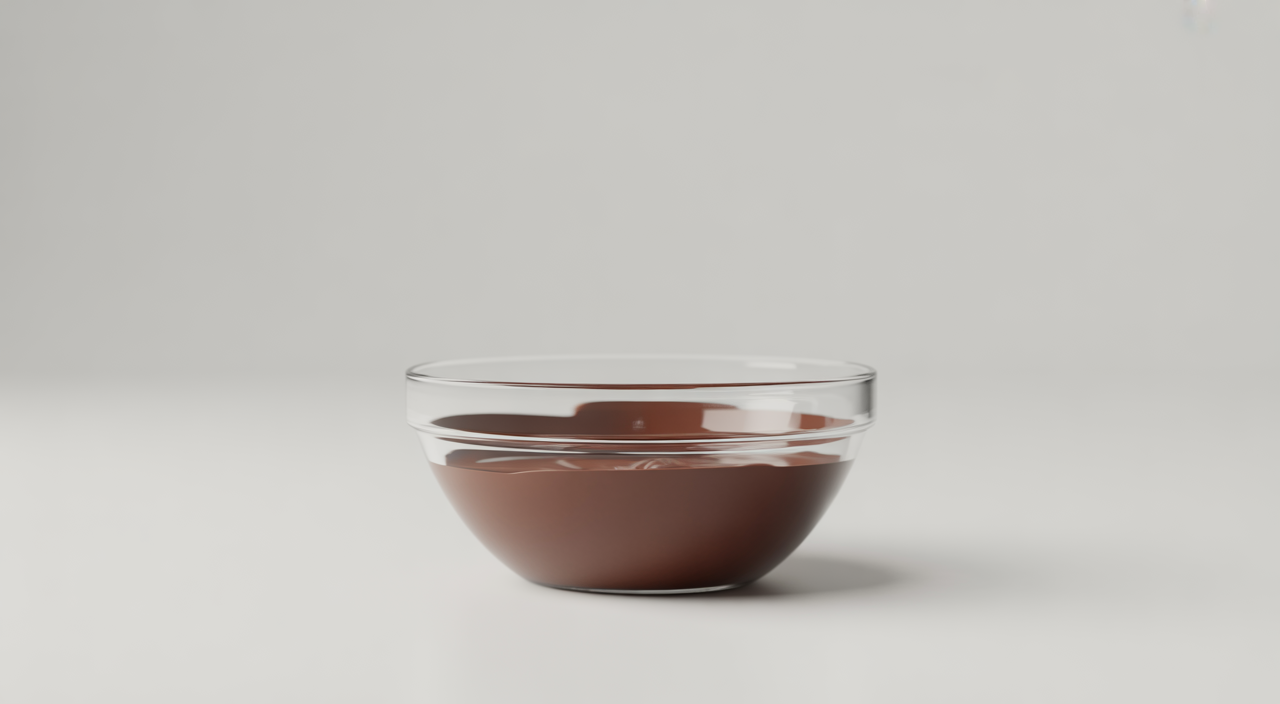
- Use a double boiler: Place a heat-safe bowl over a pot of simmering water. The bowl should not touch the water. Add chopped chocolate and stir as it melts.
- Or use a microwave: Heat chopped chocolate for 20–30 seconds at a time. Stir between each round until fully melted. Stop as soon as it is smooth.
- Keep water away: Even a few drops can cause seizing, where chocolate turns thick and grainy.
- Cut chocolate small: Smaller pieces melt more evenly and reduce the chance of burning.
If your recipe mentions “tempering,” this is a special method to heat and cool couverture chocolate so it sets with shine and snap. For everyday home baking, simple melting is usually enough, but tempering is useful when you are making chocolate decorations or dipped fruits.
Single-Origin, Ethical, And Premium Chocolate Choices
Many bakers now care not only about taste but also where their chocolate comes from. Single-origin chocolate is made from cocoa beans grown in one region. This can give unique flavour notes, such as fruity, nutty, or floral tones.
When you buy single-origin or ethically sourced chocolate, you support better farming practices and often get cleaner, more complex taste. Look for labels that talk about fair prices for farmers, sustainable farming, and transparent sourcing.
Just as you may read about making thoughtful, long-term lifestyle choices in articles on how small moves can create big positive changes, picking quality chocolate is a small change that can lift all your desserts.
Quick Recipe Ideas To Use Your Baking Chocolate
Once you have understood your options, try these simple ideas with your chosen chocolate for baking.
- Basic chocolate ganache: Heat equal parts cream and chopped dark chocolate. Let it stand for a minute, then stir until smooth. Use as frosting, filling, or a drip over cakes.
- Flourless chocolate cake: Combine melted dark chocolate, butter, sugar, eggs, and a little cocoa powder. Bake in a small tin for a rich, dense dessert that feels luxurious but uses simple ingredients.
- Custom chocolate bark: Spread melted semisweet chocolate on a tray, then top with nuts, dried fruit, seeds, or crushed biscuits. Chill and break into pieces.
These recipes are flexible and work well with Indian flavours too. Add cardamom, chilli, sea salt, or roasted nuts to give your own twist and stand out in a crowded dessert market.
FAQs About Chocolate For Baking
Q1. Can I replace baking chocolate with cocoa powder?
Yes, but you must adjust the recipe. For every 30 grams of unsweetened baking chocolate, use about 3 tablespoons of cocoa powder plus 1 tablespoon of fat like butter or oil. This keeps both the cocoa flavour and the fat content close to the original recipe. Always test once before baking a big batch for a special occasion.
Q2. How should I store baking chocolate at home in India?
Keep chocolate in a cool, dry place away from direct sunlight. Ideal temperature is around 18–22°C, which may be hard in summer, so you can store it in an airtight container in the fridge. Let it come back to room temperature before using so it melts smoothly. Avoid frequent temperature changes, which can cause a white film called “bloom” on the surface.
Q3. What is the best chocolate for baking if I want strong flavour but not too much bitterness?
Choose semisweet or dark chocolate in the 55–65% cocoa range. This level gives you rich flavour without being overly bitter. Adjust the sugar in your recipe slightly to match your taste, especially if you are baking for a mix of adults and children.

Kelly Manuel is a writer and illustrator who has been published in many books for children. Her favorite things to do are read, draw, and play with her dog. Kelly Manuel was born on October 18th, 1985. She grew up as an only child but she always had lots of dogs around the house because her parents were both veterinarians. She loved reading from a very young age and would often make up stories about the dogs that came into the clinic where she lived with her parents.
Leave a Reply