Tag: referring physician portal

  • How To Get The Most Out Of Your Referring Physician Portal?

    How To Get The Most Out Of Your Referring Physician Portal?

    In the fast-paced world of modern healthcare, effective communication and collaboration among healthcare providers are crucial for delivering high-quality patient care. A Referring Physician Portal has emerged as a powerful tool, revolutionizing the way referring physicians interact with healthcare systems and specialists. This comprehensive exploration delves into the concept of a Referring Physician Portal, outlining its benefits, creation tips, types, challenges, and the level of access it provides to referring physicians. Moreover, this discourse aims to equip healthcare professionals with strategies to maximize the use of Referring Physician Portals, fostering seamless communication and enhanced patient care coordination.

    What Is A Referring Physician Portal?

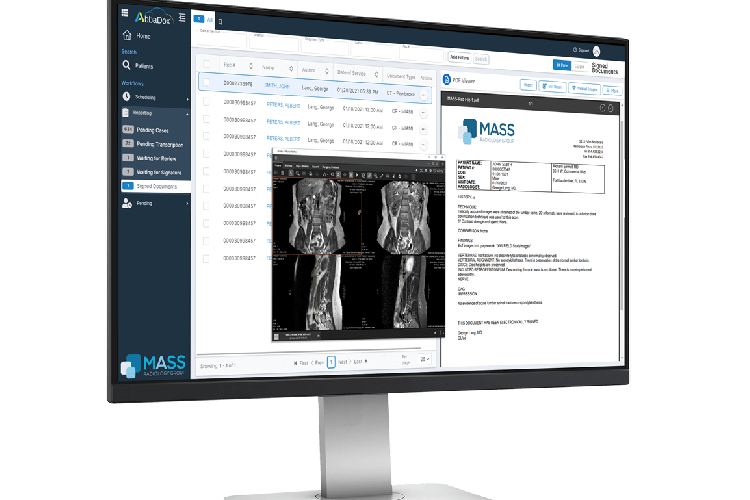
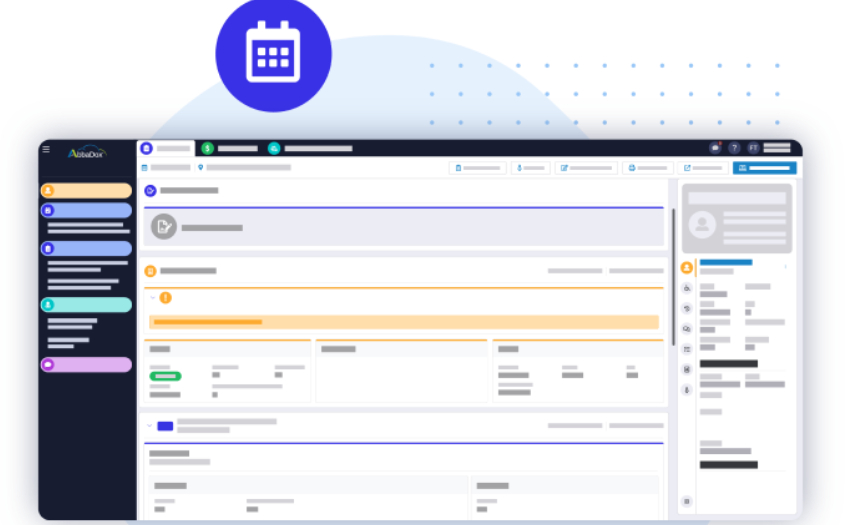
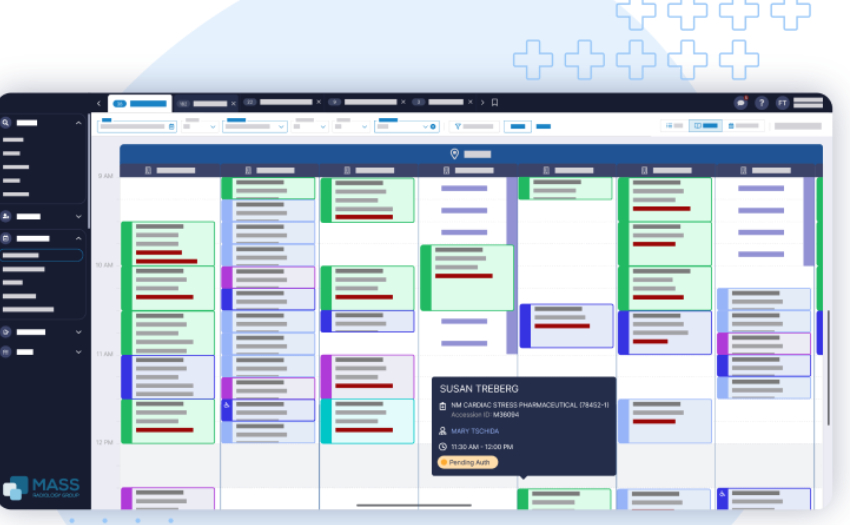
    A referring physician portal is a secure and web-based platform that facilitates communication and information exchange between referring physicians and other healthcare providers within a healthcare system. It serves as a centralized hub where referring physicians can access patient data, view test results, send referrals, and communicate with specialists or other healthcare professionals involved in the patient’s care. This portal empowers referring physicians to play an active role in their patient’s healthcare journey, enabling them to make informed decisions and provide comprehensive and coordinated care.
    referring physician portal

    Benefits Of Utilizing A Referring Physician Portal

    Embracing a Referring Physician Portal offers an array of benefits for both referring physicians and the overall healthcare ecosystem. Firstly, the portal streamlines the referral process, reducing administrative burdens and communication delays, thus expediting patient access to specialist care. It enhances care coordination, ensuring that referring physicians have real-time access to patient data, test results, and treatment plans, fostering better continuity of care. Moreover, the portal improves patient satisfaction by offering a seamless and coordinated healthcare experience, as patients are more likely to perceive their care as efficient and effective when their providers utilize a collaborative and accessible platform.

    Tips For Creating A Referring Physician Portal

    Designing an effective Referring Physician Portal requires thoughtful planning and user-focused design. Collaboration with referring physicians during the development phase is crucial to understanding their specific needs and preferences. The portal should have a user-friendly interface with intuitive navigation, making it easy for referring physicians to access and interpret patient data. Ensuring secure access through robust authentication mechanisms is paramount to protecting patient information and maintaining confidentiality. Furthermore, incorporating seamless integration with the existing healthcare system and electronic health records (EHR) enables a smooth flow of data between referring physicians and other providers.

    Types Of Referring Physician Portals

    Referring Physician Portals come in various forms, catering to the unique needs of healthcare institutions and their referring physicians. Some portals are standalone platforms designed specifically for referring physicians to manage their patients’ referrals and access relevant data. Others may be part of a broader patient portal that allows patients to grant their referring physicians access to their medical records and test results. Additionally, certain healthcare systems may opt for vendor-specific portals that integrate with their existing EHR or practice management systems to facilitate seamless data exchange and referrals.

    Challenges Involved In Using Referring Physician Portals

    Implementing and utilizing Referring Physician Portals may present certain challenges that need to be addressed. User adoption can be a significant obstacle, as referring physicians may be accustomed to traditional communication methods and may initially be resistant to change. Training and support programs are essential to familiarize referring physicians with the portal’s functionalities and demonstrate its benefits. Moreover, ensuring data accuracy and integrity within the portal is critical to prevent errors or discrepancies that could impact patient care negatively. Addressing potential interoperability issues and data exchange standards is vital, especially when integrating the portal with existing healthcare systems.

    What Access Do Refer Physicians Have Through A Portal?

    Referring Physician Portals typically provide referring physicians with a range of access and functionalities to support their involvement in patient care. They can securely view patient records, including medical history, test results, imaging reports, and treatment plans. Referring physicians can also send electronic referrals directly through the portal, streamlining the referral process and reducing administrative overhead. Furthermore, the portal may enable secure messaging and communication with specialists or other healthcare providers involved in the patient’s care, fostering collaboration and care coordination. Access privileges can be tailored based on the referring physician’s relationship with the healthcare institution and the level of involvement in the patient’s care.

    How To Maximize The Use Of Referring Physician Portals?

    To get the most out of Referring Physician Portals, healthcare institutions can implement several strategies. Proactive communication and training are crucial to ensuring referring physicians are aware of the portal’s benefits and functionalities. Engaging referring physicians in the design and development process helps tailor the portal to their specific needs and preferences. Regular feedback and continuous improvement initiatives allow healthcare institutions to refine the portal’s features and address any user concerns or challenges. Additionally, integrating the portal with other healthcare systems and EHR platforms enhances data exchange and streamlines workflows, maximizing the portal’s impact on patient care.

    Conclusion

    The utilization of a Referring Physician Portal represents a transformative step towards seamless communication and enhanced care coordination in modern healthcare. By embracing this innovative technology and adhering to best practices, healthcare institutions can empower referring physicians to play a more active and informed role in their patients’ healthcare journeys. The benefits of a Referring Physician Portal extend beyond improved efficiency, extending to higher patient satisfaction and better patient outcomes. With a strategic approach to implementation, training, and ongoing support, healthcare providers can harness the full potential of Referring Physician Portals, fostering a collaborative healthcare ecosystem that prioritizes patient-centered care and optimal clinical outcomes.

  • Simplifying Referral Processes With A Referring Physician Portal

    Simplifying Referral Processes With A Referring Physician Portal

    Referring physician portals simplify the referral process by providing a secure, web-based platform for referring physicians to securely submit and track referrals to other providers and facilities. The portal streamlines the process, saving time and energy for both the referring physician and the receiving provider. The portal also allows for secure communication and collaboration between referring physicians and receiving providers. It allows for timely communication and updates on the status of referrals and provides an efficient way to manage and track referrals. Referring physician portals also allow for the secure sharing of patient records and reports, streamlining the process of obtaining patient information and expediting the referral process.

    How To Use A Referring Physician Portal?

    Referring physician portal is an efficient and secure way for healthcare providers to collaborate, refer patients, and access patient data. To use a referring physician portal, first create an account. Once the account is created, enter patient details and contact information. Then, use the portal to search for and connect with other healthcare providers. When connecting with another provider, add the referral details, patient data, and any other necessary information. Finally, submit the referral and track its progress. This ensures that the referral is accurate and up to date. Referring physician portals make it easy to access patient data, securely collaborate with other providers, and streamline the referral process.

    referring physician portal

    Types Of Referring Physician Portals

    Referring physician portals are a type of patient portal designed to facilitate communication between referring physicians and healthcare providers. These portals provide a secure and convenient way for referring physicians to access patient records, test results, and other medical information. They also allow physicians to quickly and easily refer patients to other healthcare providers. Referring physician portals generally include features such as secure messaging, appointment scheduling, and electronic health record (EHR) integration. By streamlining the referral process and providing a more efficient means of communication, referring physician portals improve the overall quality of healthcare delivery.

    Benefits Of Implementing A Referring Physician Portal

    Implementing a referring physician portal can bring numerous benefits to healthcare providers. It can help streamline communication between hospitals, physicians, and specialists, allowing them to easily share patient information in a secure and timely manner. This results in improved patient care, as doctors can have access to the most up-to-date information when making decisions. Additionally, this type of system can reduce administrative costs, as it eliminates the need for manual paperwork and filing. Finally, having a secure online platform for communication between providers also increases security and privacy, as all data is encrypted and accessible only to those who are authorized.

    Strategies For Optimizing Referral Processes

    Optimizing referral processes can help organizations improve their customer acquisition, retention, and overall customer experience. To optimize the referral process, organizations should start by identifying the most effective referral channels and leveraging them to reach the greatest number of potential customers. Additionally, organizations should tailor their referral incentives to different customer segments to encourage customers to refer more often. Organizations should also provide customers with an easy way to refer friends or family. Finally, organizations should track and measure the success of referral campaigns by analyzing customer feedback and sales data. By following these strategies, organizations can optimize their referral process and drive more successful customer acquisition and retention.

    Ensuring Data Security With A Referring Physician Portal

    Ensuring data security with a referring physician portal is an essential step in protecting patient information. The portal enables physicians to securely access patient records, diagnostic results, and other sensitive data. It also allows for the secure transmission of data between medical providers, allowing for quick and efficient communication. The portal encrypts data during transit, ensuring that it remains secure. Additionally, the portal provides an audit trail of all data access, allowing healthcare providers to track who is accessing what information. Finally, the portal provides an additional layer of security by requiring users to authenticate their identity before accessing the data. By implementing a referring physician portal, healthcare providers are taking the necessary steps to ensure the security of sensitive patient information.

    Measuring Success Of A Referring Physician Portal

    Measuring the success of a referring physician portal is essential to ensure that it is meeting the needs of both referring physicians and the healthcare organization. Data such as the number of physicians using the portal, the number of referrals sent, and patient satisfaction should be tracked to determine the success of the portal. Additionally, feedback from referring physicians should be collected regularly to understand their opinions on the portal and to identify ways to improve its functionality. By measuring the success of the referring physician portal, healthcare organizations can ensure that the portal is meeting its goals and providing a positive experience for all users.

    Conclusion 

    Simplifying referral processes with a referring physician portal is a great way to streamline the referral process. The portal provides an easy-to-use platform that enables referring physicians to quickly and securely send and receive patient referrals. It also allows them to easily track the status of their referrals. This reduces the amount of time it takes to complete the referral process and helps eliminate unnecessary delays. Furthermore, the portal can be used to provide information to the patient about their referral, helping to improve communication between the patient and their healthcare provider. Overall, a referring physician portal is an effective way to simplify referral processes and improve patient outcomes.

  • Maximizing Referral Efficiency With A Referring Physician Portal

    Maximizing Referral Efficiency With A Referring Physician Portal

    In the modern healthcare landscape, healthcare organizations need to find efficient ways to interact with referring physicians and other providers. A referring physician portal is an online platform that allows healthcare organizations to communicate with referring physicians and other providers quickly and securely. This platform can be used to streamline administrative processes and improve patient outcomes. It can also reduce costs associated with referrals and provide access to patient records for providers. This article will explore what a referring physician portal is, how to use it, tips for optimizing it, benefits, challenges, security considerations, and strategies for improving usage. 

    What Is A Referring Physician Portal? 

    A referring physician portal is an online platform that allows healthcare organizations to interact with referring physicians and other providers. It enables healthcare organizations to send requests and receive responses from referring physicians in a secure and timely manner. The portal also allows healthcare organizations to access patient records and data from referring physicians. This platform can be used to streamline administrative processes, improve patient outcomes, and reduce costs associated with referrals. 

    referring physician portal

    How To Use A Referring Physician Portal?

    The first step to using a referring physician portal is to register for an account. Once the account is created, healthcare organizations can then use the portal to communicate with referring physicians. Healthcare organizations can send requests and receive responses from referring physicians in a secure and timely manner. The portal also allows healthcare organizations to access patient records and data from referring physicians. 

    Tips For Optimizing A Referring Physician Portal 

    To optimize the use of a referring physician portal, healthcare organizations should ensure that the portal is easy to use and provides the necessary features. Healthcare organizations should also ensure that the portal is secure and compliant with industry standards. In addition, healthcare organizations should provide training and support to referring physicians to ensure they are comfortable using the portal. 

    Types Of Data Accessed Through A Referring Physician Portal 

    • Demographics: Age, gender, race, ethnicity, and other information that can help identify a patient. 
    • Appointments: Scheduled and past appointments, including date, time, and patient information. 
    • Medical History: Information about the patient’s health issues, treatments, and medications. 
    • Lab Results: Results from diagnostic tests and other lab results. 
    • Imaging: Reports from imaging tests, such as X-rays and CT scans. 
    • Prescriptions: Medication prescribed by the physician, including dosage and instructions. 
    • Insurance: Insurance information, such as coverage and copay information. 
    • Referrals: Referrals for specialists or other healthcare providers. 
    • Documents: Documents related to the patient’s care, such as discharge summaries and progress notes.

    Benefits Of A Referring Physician Portal 

    A referring physician portal can provide numerous benefits for healthcare organizations. It can streamline administrative processes and improve patient outcomes. It can also reduce costs associated with referrals and provide access to patient records for providers. Additionally, the portal can improve communication between healthcare organizations and referring physicians, which can lead to better patient care. 

    Challenges Of Establishing A Referring Physician Portal 

    Establishing a referring physician portal can be a challenge for healthcare organizations. The portal requires a significant investment in terms of time and resources. Additionally, healthcare organizations need to ensure that they are compliant with industry standards and that their portal is secure. Finally, healthcare organizations need to provide training and support to referring physicians to ensure they are comfortable using the portal. 

    Security Considerations For A Referring Physician Portal 

    When implementing a referring physician portal, healthcare organizations must ensure that the portal is secure. They should ensure that the portal is compliant with industry standards and that data is encrypted. Additionally, healthcare organizations should ensure that they have the necessary measures in place to protect patient data. 

    To ensure that a portal is used effectively, healthcare organizations should provide training and support to referring physicians. They should also ensure that the portal is easy to use and provides the necessary features. Additionally, healthcare organizations should monitor usage and provide incentives for using the portal. 

    Conclusion 

    It can be a valuable tool for healthcare organizations. It can streamline administrative processes, improve patient outcomes, reduce costs associated with referrals, and provide access to patient records for providers. Healthcare organizations should ensure that their portal is easy to use and provide training and support to referring physicians. Additionally, they should ensure that their portal is secure and compliant with industry standards. With the right strategies in place, healthcare organizations can maximize the efficiency of their referring physician portal.