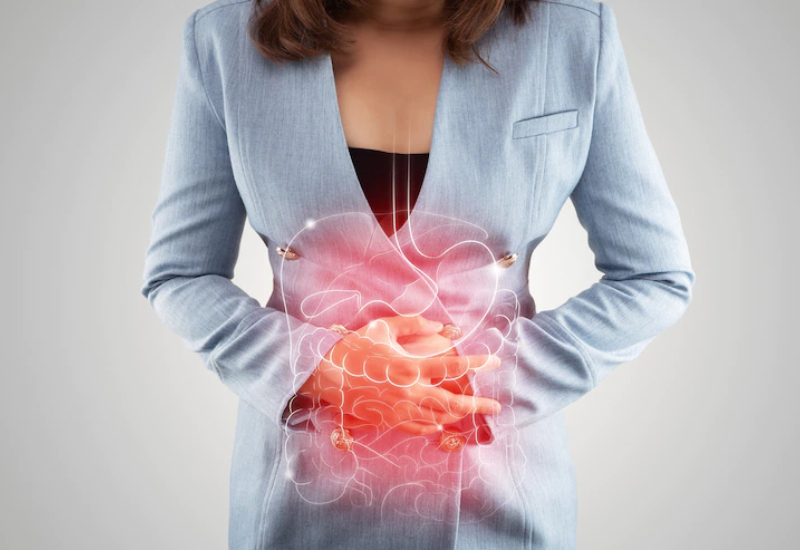
Tag: digestive health nutritionist

  • The Benefits Of Eating Fermented Foods For Digestive Health

    The Benefits Of Eating Fermented Foods For Digestive Health

    Fermented foods are an important part of a healthy diet. They are rich in beneficial bacteria, which can help to break down and digest food more efficiently, as well as promote a healthy gut. Eating fermented foods is one of the best ways to promote digestive health, as the probiotics present can help to balance out the levels of good and bad bacteria in the gut. This can help to reduce bloating, gas, and other digestive issues, making it easier to absorb nutrients from food and get the most out of the foods you eat. Fermented foods also contain enzymes that can help break down food more easily, as well as vitamins and minerals that can help to boost overall health. Eating fermented foods regularly can be a great way to improve digestive health and overall well-being.

    What Are Fermented Foods?

    A Digestive Health Nutritionist is a specialized health professional who helps people with digestive health issues. They provide individualized advice and guidance on how to improve digestive health. Fermented foods are foods that have been processed through a process of fermentation, a process that involves microorganisms like bacteria and yeast. This process is used to preserve food, enhance its flavor and texture, and increase its nutritional value. Commonly fermented foods include sauerkraut, yogurt, cheese, kimchi, and miso. Fermentation also produces alcohol, which is found in beer, wine, and spirits. Fermented foods have been consumed for centuries, and are becoming increasingly popular for their health benefits.

    digestive health nutritionist

    Fermented foods are foods that have been through a process of lacto-fermentation, a process in which natural bacteria feed on the sugar and starch in the food, creating lactic acid. This process not only preserves the food, but also creates beneficial enzymes, b-vitamins, Omega-3 fatty acids, and various strains of probiotics. Many of these foods have been around for centuries and are staples in many cultures. Examples of fermented foods are yogurt, kefir, sauerkraut, kimchi, miso, tempeh, kombucha, and pickles.

    Fermented Foods And Gut Health

    The gut is one of the most important organs in the human body, playing an integral role in the absorption of nutrients, the maintenance of a healthy immune system, and the production of hormones and neurotransmitters. Therefore, it is not surprising that the health of the gut can have a significant influence on overall health and well-being. One way to improve gut health is to consume fermented foods, which have been shown to offer a range of digestive health benefits.

    Fermented foods are foods that have been through a process of lacto-fermentation, in which natural bacteria feed on the sugar and starch in the food, creating lactic acid. This process not only preserves the food, but also creates beneficial enzymes, b-vitamins, Omega-3 fatty acids, and various strains of probiotics. Probiotics are living microorganisms that can provide a range of health benefits, including improved digestion and nutrient absorption.

    The most common fermented foods include yogurt, kefir, kimchi, sauerkraut, kombucha, miso, and tempeh. These foods all contain beneficial bacteria. Which can help to maintain the balance of microorganisms in the gut and promote a healthy digestive system. Studies have shown that regular consumption of fermented foods can help to reduce symptoms of irritable bowel syndrome (IBS), reduce inflammation in the gut, and improve overall digestive health.

    The Benefits Of Eating Fermented Foods

    Fermented foods are one of the oldest culinary traditions in the world and have been around for centuries. They are known for their health benefits and their delicious flavor. Fermented foods are made through the process of lacto-fermentation. Which involves the use of beneficial lactic acid bacteria to break down the sugars and starches in foods. This process creates beneficial compounds like lactic acid, probiotics, enzymes, and other beneficial compounds that can help to improve digestive health and overall health.

    One of the main benefits of consuming fermented foods is that they are a great source of probiotics. Probiotics are live bacteria and yeasts that can help to improve digestive health by promoting the growth of good bacteria in the gut. They can help to improve digestion by breaking down the food we eat and helping to absorb nutrients. They can also help to reduce digestive discomfort and improve overall health.

    Probiotics And Prebiotics In Fermented Foods

    Fermented foods are an important part of any healthy diet. As they contain beneficial bacteria that can help improve your digestive health. Probiotics are bacteria that can help balance the bacteria in your intestines. While prebiotics is food sources that provide nutrition to beneficial bacteria. Fermented foods are a great source of both probiotics and prebiotics. Making them an excellent choice for improving your digestive health.

    When you consume probiotics, they help to maintain healthy gut flora. Which can improve digestion and reduce the risk of developing certain illnesses. Probiotics can also reduce inflammation in the gut, which can help treat and prevent a variety of digestive issues. Such as irritable bowel syndrome (IBS).

    Improved Digestive Function With Fermented Foods

    Eating fermented foods is a great way to improve your digestive health. Fermented foods contain beneficial bacteria that can help break down food, improve nutrient absorption, and reduce inflammation in the digestive tract. They are also a great source of probiotics, which are bacteria that help keep your gut healthy. Studies have shown that consuming fermented foods can reduce symptoms of digestive disorders like irritable bowel syndrome, Crohn’s disease, and ulcerative colitis. Fermented foods can also help to improve digestion in general, by helping to break down carbohydrates and proteins more effectively. As well as improving the overall health of your gut flora.

    Conclusion

    The consumption of fermented foods has been linked to numerous digestive health benefits. Studies have shown that fermented foods can help to improve digestion, reduce inflammation, balance gut bacteria, and even reduce the risk of certain digestive illnesses. Additionally, fermented foods can provide the body with beneficial enzymes, vitamins, and minerals. For these reasons, incorporating fermented foods into a regular diet can be a great way to promote digestive health.

  • Discovering the Benefits of Digestive Health Nutrition

    Discovering the Benefits of Digestive Health Nutrition

    Digestive health nutrition is an important aspect of overall health and well-being. It focuses on the foods we consume, and how they interact with our digestive system to provide the nutrients we need to stay healthy. By understanding the benefits of digestive health nutrition, we can make informed decisions about the foods we eat and how they impact our digestive health. This knowledge can help us to improve our digestion, reduce digestive symptoms, and maintain a healthy lifestyle. With digestive health nutrition, we can achieve better overall health. A balanced diet that is rich in fibre, whole grains, fruits, and vegetables, as well as limiting processed and sugary foods, is key to promoting digestive health. Additionally, including probiotics, prebiotics, and dietary supplements can help to ensure that the digestive system is running optimally. By following a digestive health nutrition plan, individuals can enjoy improved energy levels, better digestion, improved immunity, and overall improved health and well-being.

    Understanding the Science of Digestive Health Nutrition

    Digestive health nutrition encompasses the study of the body’s digestive system and how nutrition affects it. It is important to understand the science of digestive health nutrition in order to maintain optimum health. A digestive health nutritionist is a health professional who specializes in helping people achieve optimal digestive health through dietary changes and nutritional advice.  The digestive system is made up of the oesophagus, stomach, small intestine, and large intestine, which break down the food we eat and absorb its nutrients. A poor diet can lead to digestive problems such as indigestion, constipation, and irritable bowel syndrome. Eating a balanced diet that includes fibre-rich foods, such as fruits, vegetables, and whole grains, can help keep the digestive system healthy. Eating smaller meals more frequently throughout the day can also help to keep the digestive system running smoothly. Additionally, drinking plenty of water is important for proper digestion. 

    digestive health nutritionist

    Exploring How Nutrition Can Improve Digestive Health

    Good nutrition is a key component of digestive health. Eating the right foods can help improve digestion and keep your system running smoothly. Whole grains, fruits, and vegetables are all good sources of dietary fibre, which helps keep your digestive system functioning properly. Eating foods that are high in fibre can help prevent constipation, reduce bloating, and help your body absorb necessary nutrients. Additionally, probiotics in fermented foods like yoghurt, miso, and sauerkraut can help maintain the balance of good bacteria in your gut. Omega-3 fatty acids found in fish, walnuts, and chia seeds can also help keep your digestive system running smoothly.

    Eating a balanced diet is essential for maintaining digestive health. Avoiding processed foods, refined sugars, and saturated fats can help improve digestion and reduce symptoms such as bloating, gas, and constipation. Also, be sure to drink plenty of water to help flush out toxins and keep your digestive system hydrated. Eating regular meals and snacks throughout the day can also help keep your digestive system running smoothly. 

    Identifying Foods That Support Digestive Health

    Eating foods that support digestive health is an important part of maintaining overall health. To identify foods that support digestive health, it’s important to focus on foods that are rich in fibre, probiotics, and prebiotics. Fibre is an indigestible carbohydrate that helps to keep bowel movements regular. Examples of good sources of fibre include fruits, vegetables, whole grains, legumes, and nuts. Probiotics are live microorganisms that are beneficial for gut health; examples include yoghurt and fermented foods like sauerkraut. Prebiotics are a type of dietary fibre that helps to promote the growth of beneficial bacteria in the gut. Good sources of prebiotics include onions, garlic, artichokes, and bananas. Eating a variety of these foods can help to improve digestion, support gut health, and keep the digestive system functioning properly.

    Discovering Ways to Incorporate Digestive Health Nutrition into Your Diet

    First, it is important to make sure that you are getting enough fibre in your diet. Eating a variety of fruits, vegetables, whole grains, and legumes can help to ensure that you are getting enough fibre. Additionally, you should also make sure that you are drinking plenty of water, as this helps to keep your digestive system running smoothly.

    In addition to fibre and water, it is also important to include probiotics in your diet. Probiotics are beneficial bacteria that help to keep your digestive system healthy. You can find probiotics in yoghurt, kefir, and other fermented foods.

    Discovering How Digestive Health Nutrition Can Improve Overall Health

    Good digestive health is essential for overall health and wellness. Poor digestion can lead to a wide array of health problems, including weight gain, nutrient deficiencies, and even certain diseases. Eating a balanced diet that includes plenty of fibre, fermented foods, and probiotics can help improve digestive health and overall health.

    Fibre is an important part of a healthy diet and is especially beneficial for digestion. Eating foods high in fibre, such as fruits, vegetables, and whole grains, can help prevent constipation, reduce cholesterol levels, and lower the risk of developing certain diseases. Fermented foods such as yoghurt, kefir, and sauerkraut are also beneficial for digestion, as they contain beneficial bacteria that help promote a healthy gut microbiome. Probiotics are also important for digestive health, as they help support the digestive system and promote a healthy immune system.

    Finding the Right Balance of Digestive Health Nutrition for Your Needs

    Finding the right balance of digestive health nutrition for your needs is essential to maintaining good digestive health. Eating a balanced diet that includes plenty of fruits, vegetables, whole grains, lean proteins, and healthy fats will help keep your digestive system running smoothly. Additionally, limiting your intake of processed foods, refined sugars, and saturated fats can help reduce your risk of digestive issues. In addition to eating a balanced diet, it is important to get regular physical activity. Exercise can help reduce stress, improve your overall health, and keep your digestive system functioning properly. It is also important to stay hydrated by drinking plenty of water each day.

    Conclusion

    Digestive health nutrition is essential for the overall well-being of individuals. Eating foods that are rich in essential vitamins and minerals, as well as those that are high in dietary fibre, can help to improve digestive health and prevent common digestive issues such as constipation and bloating. In addition, consuming foods that are low in saturated fat, sugar, and processed ingredients can also help to improve digestive health and reduce the risk of developing chronic diseases such as diabetes and heart disease. Overall, eating a balanced diet that includes plenty of fresh fruits, vegetables, and whole grains can offer a variety of health benefits, including improved digestive health.