Blog

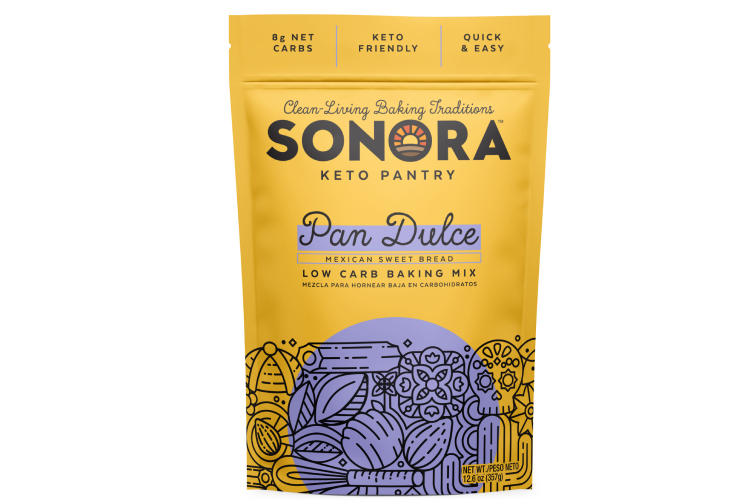
  • How To Make Keto Pan Dulce For A Delicious Low-Carb Treat?

    How To Make Keto Pan Dulce For A Delicious Low-Carb Treat?

    Making keto pan dulce is easy and delicious. Start by combining almond flour, coconut flour, salt, and baking soda in a bowl. Mix the dry ingredients and set aside. In a separate bowl, mix melted butter, eggs, and sweetener. Combine the wet and dry ingredients until the dough is soft and pliable. Roll the dough out on a floured surface and cut it into desired shapes. Preheat the oven to 350°F and bake the pan dulce for 15-20 minutes or until golden brown. Enjoy your delicious, low-carb keto pan dulce.

    What Is Keto Pan Dulce And What Makes It Low-Carb?

    Keto Pan Dulce is a low-carb version of traditional Mexican sweet bread. It is made with almond and coconut flour, which are much lower in carbohydrates than all-purpose flour. This makes it a great choice for those who are following a ketogenic diet. The addition of sweeteners like stevia and erythritol helps to keep the carb count low and give it a sweet flavor. Other ingredients include eggs, butter, and baking powder. Keto Pan Dulce is a delicious and nutritious way to indulge in a Mexican treat without guilt.

    keto pan dulce

    Shopping List Of Essential Ingredients For Keto Pan Dulce

    Creating a keto version of traditional pan dulce is a great way to enjoy a classic Mexican treat while still following a low-carb diet. To make the perfect keto pan dulce, you’ll need to stock up on some essential ingredients. Start with almond flour, erythritol, coconut flour, and baking powder. For fats, you’ll need butter, coconut oil, and heavy cream. To enhance the flavor, you’ll also need a vanilla extract, almond extract, and ground cinnamon. Finally, you’ll need some sugar-free dark chocolate chips to top off the pan dulce. With all of these ingredients, you’ll have everything you need to whip up some delicious keto pan dulce.

    Preparing The Low-Carb Keto Pan Dulce Dough

    Making a low-carb Keto Pan Dulce dough is easy and rewarding. First, mix almond flour, coconut flour, baking powder, and salt in a large bowl. Then, add melted butter, liquid sweetener, and vanilla extract and combine everything until it forms a dough. If the dough is too dry, add a teaspoon of water until it reaches a workable consistency. Finally, roll the dough out between two pieces of parchment paper until it is a quarter of an inch thick. Now you’re ready to bake your Pan Dulce.

    Rolling And Cutting The Keto Pan Dulce Dough

    Rolling out the keto dulce dough is the first step to creating traditional Mexican sweet bread. With a lightly floured surface and rolling pin, the dough is rolled into a thin, even sheet. The sheet is then cut into desired shapes with a knife. This can be done by cutting the sheet into diamond shapes, squares, or circles. For added decoration, cookie cutters can be used to cut out shapes such as hearts or stars. Once the desired shapes are cut out, the keto dulce is ready to bake and be enjoyed.

    Baking The Keto Pan Dulce

    Baking the Keto Dulce is a fun and easy way to enjoy a low-carb, keto-friendly snack. This delicious sweet bread is made with almond flour and a few other simple ingredients. It has the same texture and flavor as traditional pan dulce, but without the high carb content. To make it, start by combining almond flour, baking powder, baking soda, and salt in a bowl. In a separate bowl, beat the egg whites until they form stiff peaks. Add the egg whites to the dry ingredients and mix until it forms a dough. Grease a baking sheet with butter or oil and then spread the dough evenly in the pan. Bake at 350°F for 15-20 minutes or until golden brown. Let cool before serving and enjoy.

    Decorating The Keto Dulce For A Fun And Sweet Treat

    Decorating the keto dulce is a fun and easy way to enjoy a sweet treat. With a few simple ingredients, you can whip up a delicious pan dulce that is sure to satisfy any sweet tooth. Start by preheating the oven to 350°F. Combine almond flour, baking powder, and salt in a bowl and mix. In a separate bowl, whisk together the eggs, melted butter, and vanilla extract. Combine the wet and dry ingredients, stirring until the batter is smooth. Spread the batter into a greased baking pan and bake for 20-25 minutes. Once the pan dulce has cooled, it’s time to get creative! Top the pan dulce with your favorite keto-friendly decorations. Enjoy a sweet and guilt-free treat.

    Conclusion

    Keto Dulce is a delicious, sugar-free treat that can be enjoyed on the keto diet. It is a great way to satisfy sweet cravings without derailing your diet. The recipe is simple to make and only requires a few ingredients. It is a great way to make a low-carb treat that tastes like the real thing. Keto Dulce is a great alternative to the traditional Pan Dulce and can be enjoyed by anyone trying to stay in ketosis. With its delicious flavor and low-carb content, Keto Dulce is a delicious, guilt-free treat.

  • How To Choose The Right Harmonica Neck Holder For You?

    How To Choose The Right Harmonica Neck Holder For You?

    Choosing the right harmonica neck holder can be a daunting task. It is important to consider your individual needs and select a holder that fits your style. First, consider the type of harmonica you will be playing. Is it a diatonic harmonica, chromatic harmonica, or tremolo harmonica? Different types of harmonicas require different neck holders. Second, think about your playing style. Do you prefer a hands-free approach or do you prefer to hold the harmonica with your hands? Lastly, consider the size of the holder. Neck holders come in various sizes, so make sure you choose the one that fits your harmonica comfortably. With a little research, you can easily find the right harmonica neck holder for your needs.

    What Is A Harmonica Neck Holder And What Are Its Benefits? 

    A harmonica neck holder is a specially designed accessory that firmly attaches to the neck of the harmonica player. It is designed to provide extra stability and comfort when playing, allowing the musician to focus on their playing and their performance. The neck holder is adjustable and can be used with any size harmonica. It helps to keep the harmonica in place and can reduce the strain on the player’s neck. Additionally, it can also help to reduce the amount of noise created by the harmonica during play. The benefits of a neck holder include improved comfort and stability, reduced strain on the neck, and reduced noise during play.

    harmonica neck holder

    Considerations When Selecting The Right Harmonica Neck Holder 

    When selecting the right harmonica neck holder, there are many important considerations. First, consider the size and shape of the harmonica holder. It should fit comfortably and securely around the neck and be adjustable for different sizes. Second, look for a holder with adjustable straps so it can be easily adjusted for a comfortable fit. Third, make sure the material is durable and can withstand the rigors of playing. Fourth, consider whether the holder has any extra features, such as a built-in microphone or a holder for a microphone stand. Finally, ensure the harmonica holder is easy to attach and remove from the neck. With these considerations, you can ensure you select the right harmonica neck holder for your needs.

    Features To Look For When Choosing A Harmonica Neck Holder 

    When choosing a neck holder, it is important to consider the features they offer. Look for a holder that is adjustable, so it fits comfortably around your neck. Look for one that has a secure latch system to ensure your harmonica doesn’t slide out. Consider a holder that has padded back support for extra comfort and protection against chafing. Finally, make sure the holder is made from durable materials so it will last for years. With these features in mind, you’ll be able to find a neck holder that meets your needs.

    Decide On The Size And Type Of Harmonica Neck Holder You Need 

    When deciding on the size and type of harmonica neck holder you need, it’s important to consider both your playing style and the size of your instrument. Harmonica neck holders come in different sizes and styles to suit both small and large harmonicas, as well as different playing styles. Consider the size and weight of the harmonica you plan to use, as well as the type of playing style you prefer. This will help you determine which type of holder is best suited to your needs. You may also want to consider buying a holder that has adjustable straps, which can be adjusted to fit your instrument and playing style.

    Check The Comfort And Durability Of The Harmonica Neck Holder 

    When choosing a neck holder, it is important to consider both comfort and durability. Comfort is key since it is important to be able to play comfortably for extended periods of time. The neck holder should have an adjustable strap and padding to provide maximum comfort. Durability is also important since the neck holder will be subjected to regular wear and tear. Check that the material is of good quality and that it is well-constructed. The neck holder should be able to withstand regular use without any signs of damage. Also, make sure that the neck holder is compatible with your harmonica. With the right neck holder, you will be able to play your instrument comfortably and with confidence.

    Factors To Consider When Choosing A Neck Holder

    When choosing a neck holder, there are several factors to consider. Firstly, consider the type of harmonica you have. Different models of harmonicas require different types of holders. Secondly, consider the size and weight of the harmonica. Some holders are designed to accommodate larger and heavier harmonicas. Thirdly, consider the material of the holder. It should be made from durable materials that won’t easily break or wear out. Fourthly, consider the type of straps or clips the holder has. This should be adjustable and comfortable for you to use. Lastly, consider the price of the holder. There are a variety of holders available in different price ranges, so make sure to find one that fits your budget. With these factors in mind, you can find the perfect harmonica neck holder for your needs

    Conclusion

    To conclude, choosing the right harmonica neck holder for your needs is essential for a comfortable and reliable playing experience. Consider the size and weight of the harmonica and the type of material used for the holder. Think about the playing style, the number of harmonicas needed, and the cost. Finally, read the reviews of the product and choose a holder that is suited to your needs. With the right neck holder, you can enjoy playing your favorite instrument with ease and comfort.

  • Strategies For Improving The Accuracy Of Raw Material Planning

    Strategies For Improving The Accuracy Of Raw Material Planning

    Raw material planning is a critical process for any production-oriented business. To ensure accurate and efficient planning, companies need to implement a number of strategies. First, they should define their raw material requirements and develop a reliable forecasting system. This will enable them to anticipate future demand and plan accordingly. Second, companies should use data analysis tools to identify any irregularities in the supply chain and take corrective action. Third, they should take into account any external factors that might impact their raw material supply, such as fluctuations in raw material prices. Finally, companies should develop an effective communication strategy to ensure that all stakeholders are aware of their raw material requirements and the steps taken to meet those demands. These strategies will help companies optimize their raw material planning and ensure the most efficient use of resources.

    Understanding Your Supply Chain To Improve Raw Material Planning

    Supply chain management is essential for any business that relies on raw material planning. Understanding and managing the supply chain can help you improve raw material planning, reduce costs, and increase efficiency. A thorough understanding of the supply chain will help you identify possible sources of materials, assess the cost of materials, and plan for inventory management. It will also help you determine the best ways to secure materials and maintain a consistent supply. Additionally, understanding your supply chain can help you identify opportunities for cost savings and new sources of materials. By tracking the progress of the supply chain, you can also identify any delays or issues that need to be addressed. Properly managing the supply chain can improve raw material planning and help your business save money and increase efficiency.

    raw material planning

    Enhancing Your Forecasting Capabilities For Raw Material Planning

    Forecasting raw material demand is essential for effective supply chain management. To improve the accuracy of your raw material planning, you can use a range of tools and techniques to enhance your forecasting capabilities. Analyzing historical data and trends can help you to identify patterns and anticipate future needs. Additionally, you can use statistical forecasting models to generate more precise projections. You can also leverage technology to streamline the forecasting process and improve accuracy. Automated systems can provide real-time data and help you to make faster and more informed decisions. With the right approaches and resources, you can boost your forecasting capabilities and ensure that you have the right materials at the right time.

    Optimizing Inventory Levels To Improve Raw Material Planning

    Optimizing inventory levels is a key factor when it comes to raw material planning. It allows companies to keep an accurate track of their stock and make informed decisions when it comes to purchasing, shipping and receiving. Accurate inventory level tracking also helps companies avoid overstocking, which can lead to unnecessary costs and waste. For example, a company can set a target inventory level and monitor it closely to ensure that the right amount of material is available for production. Companies can also use forecasting and trend analysis to predict future demand and adjust their inventory accordingly. By optimizing inventory levels, companies can save money, reduce waste, and ensure a steady supply of raw materials to meet their production needs.

    Utilizing Technology To Streamline Raw Material Planning

    Technology can be an invaluable tool in streamlining raw material planning. By using various software platforms, companies can easily track and analyze inventory levels. This can help managers stay informed of supply levels, allowing them to make decisions in a timely manner to keep production running smoothly. Automated systems can also help managers identify potential shortages and take action to prevent them. Additionally, businesses can use technology to improve accuracy in forecasting and reduce forecasting errors. Finally, technology can be used to develop and execute strategies for procurement, such as supplier selection and contract negotiation. By leveraging technology, companies can ensure efficient and effective raw material planning.

    Automating Data Collection For Raw Material Planning

    Data collection automation is a critical part of raw material planning. Automation eliminates the need for manual data entry and increases the accuracy of the data. With automated data collection, businesses can quickly gather real-time data on current inventory levels, demand forecasts, supplier information, and more. Automated data collection also reduces the risk of human error and helps businesses maintain accurate records. Automation can also help businesses save time and money by streamlining the data collection process. Automation can be used in the form of software, hardware, or a combination of both. The software can be used to collect data from multiple sources and capture it in a single database. Hardware can be used to read barcodes, RFID tags, and other forms of physical data storage. Automated data collection can help businesses maintain accurate records and make informed decisions about material planning.

    Implementing Just-In-Time Manufacturing For Raw Material Planning

    Just-in-time (JIT) manufacturing is a lean manufacturing concept that aims to reduce the amount of inventory on hand, while ensuring that a company has the right amount of products or components at the right time, place, and cost. To implement JIT manufacturing, companies must first analyze their current inventory management processes and design a strategy that maximizes inventory efficiency. This may include optimizing the order of production and delivery, streamlining the ordering process, and utilizing technologies like automated inventory tracking. Additionally, it is important to track and measure the performance of the JIT strategy, as this helps to identify potential areas for improvement. With an effective JIT strategy in place, companies are able to reduce costs and increase customer satisfaction by being able to deliver products on time and in full.

    Conclusion

    In conclusion, raw material planning accuracy can be improved by utilizing a variety of strategies. Production planners should focus on improving their understanding of customer demand patterns. They should also analyze their current forecasting and inventory management processes and identify any areas where improvements can be made. Additionally, they should consider utilizing predictive analytics and demand sensing tools to better forecast customer demand. Finally, suppliers should be incorporated into the planning process to ensure that the right materials are delivered at the right time. By following these strategies, production planners can ensure that their raw material planning is more accurate and efficient.

  • How To Become An Experienced RFP Writer?

    How To Become An Experienced RFP Writer?

    Writing Request For Proposals (RFPs) can be a daunting task, but with the right resources and practice, anyone can become an experienced RFP writer. The first step is to become familiar with the RFP process. Research best practices, templates, and tips related to RFP writing. Once you have a good understanding of the process, create a template that works for your organization. This will help you streamline the writing process and save time in the long run. Once you have a template, practice writing RFPs. It’s important to get feedback from your team and clients to ensure you’re writing the best RFPs possible. After a few successful RFPs, you will start to understand the process better and become an experienced RFP writer.

    Identifying Essential Qualities Of An Experienced RFP Writer

    Experienced RFP writer has several essential qualities that make them successful in their role. They must have excellent communication skills, both written and verbal, as they will be working with stakeholders from various departments and industries. They should also have strong organizational skills, as they must be able to manage multiple projects at once. Additionally, they should have a good understanding of the different RFP processes, as they will need to effectively assess the requirements and objectives of each project. Finally, they must have excellent problem-solving skills, as they will need to be able to find solutions to any issues that may arise. With these essential qualities, an experienced RFP writer can be successful in their role and help create successful bids.

    RFP writer

    Gaining Experience With RFP Writing Through Professional Training

    RFP writing is an important skill for many professionals. Professional training is a great way to gain experience in this field. This training provides an opportunity to develop and refine the necessary skills for writing a successful RFP. Participants can learn the basics of RFP writing, from the initial planning stages to the final submission. They can also explore the different components of an RFP and gain valuable insights from experienced professionals. Additionally, this training provides hands-on practice and feedback to ensure participants have the necessary skills to write an effective RFP. With the knowledge gained from this training, professionals can confidently write and submit successful RFPs.

    Developing A Comprehensive Understanding Of The RFP Process

    The Request for Proposal (RFP) process is an essential part of any business’s operations. It provides an opportunity to identify vendors who can meet the specific needs of the organization. To be successful, organizations must have an in-depth understanding of the RFP process. This includes understanding the different components of an RFP, the timeline for responding to an RFP, and the evaluation criteria used to identify qualified vendors. Organizations should also develop a process for responding to RFPs that includes researching vendors, preparing a response, and managing the negotiation process. By developing a comprehensive understanding of the RFP process, organizations can ensure that they are selecting the best vendor for their specific needs.

    Acquiring Knowledge On Different Types Of RFPs

    It is important to gain knowledge of the different types of requests for proposals (RFPs) that exist in order to be successful in responding to and winning contracts. There are various types of RFPs, and each has specific requirements that must be met. The most common types of RFPs are competitive, non-competitive, and sole-source. Competitive RFPs require vendors to submit a proposal for consideration and the highest-quality proposal wins the contract. Non-competitive RFPs involve a pre-selected group of vendors and are based on price and availability. Sole-source RFPs involves the selection of a single vendor without any competitive bidding. It is important to understand the differences between each type of RFP in order to craft an effective and successful proposal. Additionally, research should be conducted to gain insight into the requirements of the specific RFP and the organization issuing it in order to craft a proposal tailored to their needs.

    Learning To Craft An Engaging And Informative RFP

    Writing an effective Request for Proposal (RFP) is a critical skill for those in the procurement and project management departments. Crafting an engaging and informative RFP is essential to ensure that the desired results are achieved. To learn to craft an engaging and informative RFP, there are several steps that must be taken. First, the purpose of the RFP must be clearly defined. This includes identifying the desired goals and outcomes, as well as the timeline for completion. Second, the budget and any other requirements must be established. Third, the scope of the project must be outlined, and all deliverables must be clearly stated. Finally, the criteria and selection process must be outlined. By following these steps, the RFP can be crafted in a way that is engaging and informative and will help ensure a successful outcome.

    Understanding The Technical And Legal Requirements Of An RFP

    A Request for Proposal (RFP) is a document used by organizations to solicit bids from potential vendors. It outlines the technical and legal requirements of the project, and vendors must respond with an offer that meets all of these requirements. Understanding the technical and legal requirements of an RFP is essential for vendors to be successful in submitting a winning bid. Technical requirements may include systems and software, hardware, security protocols, data standards, and other technical specifications. Legal requirements may include certifications, indemnifications, nondisclosure agreements, and other legal documents. Vendors must be familiar with the specific requirements of the RFP to ensure they are in compliance. It is also important to understand the process for submitting the proposal, the timeline for responding, and other relevant information. Carefully understanding the technical and legal requirements of an RFP is paramount in submitting a winning bid.

    Conclusion

    Based on the information provided, becoming an experienced RFP writer involves a number of steps. It requires a clear understanding of the project goals and objectives, an ability to communicate with stakeholders, and an ability to synthesize large amounts of data into a comprehensive proposal. It also requires excellent writing skills, a keen eye for detail, and an in-depth knowledge of the RFP process. With these skills and knowledge, experienced RFP writers are able to create compelling, persuasive proposals that meet the needs of their clients and help them win the contracts they are seeking.

  • How To Maintain a Healthy Smile: Tips from Your Dentist

    How To Maintain a Healthy Smile: Tips from Your Dentist

    Having a healthy smile is an important part of overall health and well-being. It is the first thing that people notice when they meet you and can make a lasting impression. A healthy smile is important for not only aesthetics but also for preventing potential health problems, such as gum disease or cavities. This is why it is so important to find a quality dentist and get regular dental check-ups. This article will provide tips on finding the right dentist, maintaining good oral health, and understanding the different types of dental treatments available.

    What To Look For In A Quality Dentist

    When looking for the right dentist in cookeville tn, it is important to consider the dentist’s credentials and experience. An experienced dentist should have a good reputation and be well-versed in the latest techniques and technologies. They should also have a caring and compassionate approach to dental care. It is also important to find out what type of insurance the dentist accepts and if they offer any payment plans.

    dentist in cookeville tn

    Why Professional Dental Care Is Essential

    Having regular dentist in cookeville tn, dental care is essential for maintaining a healthy smile. Professional dental care can help detect any potential problems in the early stages, which can prevent them from becoming more serious. Professional dental care can also help to prevent cavities, gum disease, and other oral health issues. Regular check-ups will help to ensure that your teeth remain in optimal health.

    How To Find The Right Dentist For You

    Finding the right dentist for you can be a daunting task. Start by asking family, friends, and colleagues for recommendations. You can also research dentists on the internet and look for reviews from past patients. Once you have narrowed down your list of potential dentists, it is important to schedule a consultation. During the consultation, you should ask about the dentist’s credentials, experience, and techniques. You should also ask about their payment options, insurance coverage, and any other questions you may have.

    Tips For Maintaining Good Oral Health

    Maintaining good oral health is essential for having a healthy smile. Brush your teeth at least twice a day with fluoride toothpaste, floss daily, and use mouthwash to help prevent cavities and gum disease. It is also important to limit sugary, starchy, and acidic foods and drinks, which can lead to tooth decay. Regular check-ups with your dentist can help to ensure your teeth remain healthy.

    Types Of Dental Treatments Available

    There are a variety of dental treatments available for maintaining a healthy smile. These include regular cleanings, fillings, root canal treatments, crowns, bridges, and implants. Your dentist will recommend the best course of treatment for your specific needs. It is important to discuss any potential risks or side effects of the treatment with your dentist.

    What To Expect During A Dental Exam

    During a dental exam, your dentist will examine your teeth and gums, take X-rays, and check for any signs of decay or infection. Your dentist may also perform a cleaning and flossing, and make recommendations for any potential treatments. It is important to discuss any concerns you may have with your dentist and ask any questions you may have.

    Why Regular Dental Check-Ups Are Important

    Regular dental check-ups are essential for maintaining a healthy smile. During a check-up, your dentist will examine your teeth and gums, take X-rays, and perform any necessary treatments. Regular check-ups can help to detect any potential problems in the early stages, which can prevent them from becoming more serious. It is important to schedule regular check-ups with your dentist to ensure your teeth remain in optimal health.

    How To Choose The Right Toothpaste

    Choosing the right toothpaste is important for maintaining a healthy smile. Look for toothpaste that contains fluoride, which can help to strengthen and protect your teeth from cavities. It is also important to choose a toothpaste that is free of harsh abrasives, which can damage your teeth and gums. It is best to discuss your options with your dentist to ensure you are using the right toothpaste for your specific needs.

    Types Of Dental Insurance Plans

    Dental insurance plans can help to cover the cost of regular check-ups and treatments. Most plans will cover preventive care, such as cleanings and X-rays. Some plans may also cover more extensive treatments, such as root canals and implants. It is important to research different plans and compare them to find the best coverage for your specific needs.

    Conclusion

    Having a healthy smile is essential for overall health and well-being. It is important to find a quality dentist in cookeville tn and receive regular check-ups to ensure your teeth remain in optimal health. This article has provided tips for finding the right dentist, maintaining good oral health, and understanding the different types of dental treatments available. It is important to take the time to research and compare different insurance plans to find the best coverage for your specific needs. By taking the time to find the right dentist and maintain good oral health, you can ensure a healthy and beautiful smile for years to come.