Blog

  • How Florida Style Home Designs Handle Heat and Humidity?

    How Florida Style Home Designs Handle Heat and Humidity?

    Florida-style homes often feature raised foundations or are built on pilings to improve airflow and reduce flood risks. This elevation helps reduce indoor heat accumulation by allowing air to circulate underneath. Strategic site planning also positions homes to maximize shade and catch natural breezes. Proper orientation and elevation together minimize heat retention while improving cooling efficiency, especially in low-lying or coastal regions prone to both heat and high humidity.

    Reflective Roofs and Light-Colored Exteriors

    Florida style home designs are frequently designed with metal or tile roofs in light shades that reflect sunlight instead of absorbing it. Similarly, light-colored stucco or siding helps deflect heat and reduce interior temperatures. These materials not only improve energy efficiency but also extend the roof’s lifespan. Reflective exteriors are a smart response to Florida’s year-round sunshine and help keep indoor spaces cooler without heavy reliance on air conditioning.
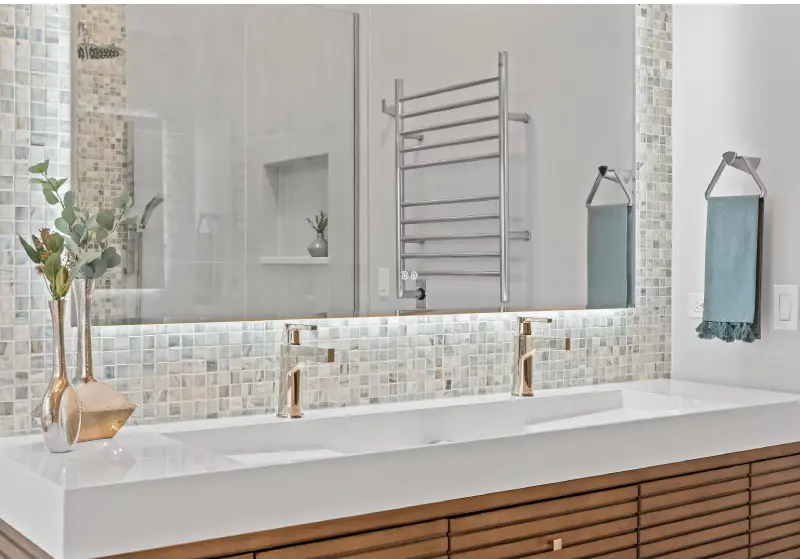
    Florida style home designs

    Deep Overhangs and Covered Outdoor Areas

    Deep roof overhangs, verandas, and covered lanais are trademarks of Florida home designs. These features shield windows and walls from direct sunlight, keeping interiors cooler and shaded throughout the day. By reducing solar heat gain, these design elements help maintain a more stable indoor temperature. Additionally, shaded outdoor living areas allow homeowners to enjoy the Florida climate while staying protected from heat and UV exposure.

    Cross-Ventilation and Window Placement for Breeze Flow

    Florida-style homes often feature strategically placed windows and vents to support natural cross-ventilation. This layout allows fresh air to move through the home, pushing warm air out and drawing cooler breezes in. Large windows, transoms, and operable shutters are key features that enhance this airflow. Cross-ventilation reduces the need for constant air conditioning and helps maintain indoor air quality—crucial in humid, moisture-prone environments.

    Use of High Ceilings to Release Trapped Heat

    High or vaulted ceilings are commonly found in Florida-style homes as they allow hot air to rise above living spaces. This reduces the intensity of heat at occupant level and encourages more efficient cooling. Paired with ceiling fans and vent systems, tall ceilings contribute to better air circulation. They not only make rooms feel more spacious but also play a practical role in managing heat during the hot months.

    Durable, Moisture-Resistant Interior Materials

    To combat the effects of Florida’s humidity, modern home interiors are often built using materials that resist mold, mildew, and warping. Porcelain tile floors, vinyl plank flooring, quartz countertops, and mildew-resistant paint help maintain the home’s integrity in a damp climate. These finishes not only look good but also reduce long-term maintenance. Homeowners should prioritize materials that are both attractive and built to withstand moisture and temperature shifts.

    Insulated Windows and Energy-Efficient Glass

    Florida-style homes typically include double or triple-pane windows with low-E coatings that help block heat while letting in natural light. These energy-efficient windows are essential for reducing indoor temperatures and preventing condensation buildup. Insulated glass reduces the need for artificial cooling and protects furniture from UV damage. Investing in high-performance windows pays off quickly in Florida’s bright and humid conditions.

    Ventilated Attics and Roof Systems

    Proper attic ventilation is critical in Florida homes to release trapped heat and moisture. Ridge vents, soffit vents, and attic fans allow rising hot air to escape, preventing it from transferring into living areas. These features help regulate attic temperatures, extend roof life, and reduce the load on air conditioning systems. A well-ventilated attic supports the overall cooling strategy of the home and improves energy efficiency.

    Landscaping for Shade and Climate Control

    Strategically planted trees, shrubs, and hedges can create shade around the home, reducing surface temperatures and protecting windows from direct sunlight. Florida-style designs often integrate native and drought-tolerant plants that thrive in heat and humidity. Landscaping not only beautifies the property but also contributes to passive cooling, reducing reliance on energy-intensive solutions. A well-designed yard complements the home’s architecture and enhances comfort.

    HVAC Systems Designed for Florida’s Climate

    Florida-style homes often include advanced HVAC systems tailored for high humidity and year-round heat. Dehumidifiers, zoned cooling, and smart thermostats ensure interior comfort while managing energy costs. Many systems also include air purifiers to tackle allergens common in humid environments. When selecting or building a Florida home, it’s important to evaluate the HVAC setup to ensure it’s efficient, responsive, and designed for the state’s specific weather patterns.

    Conclusion

    Florida-style home designs smartly address heat and humidity through a mix of architectural planning, material choices, ventilation strategies, and landscaping. From reflective roofs and high ceilings to efficient HVAC systems and moisture-resistant interiors, each design decision supports cooler, drier, and more comfortable living. These homes don’t just reflect a style—they embody a climate-responsive approach that makes year-round life in Florida both practical and enjoyable.

    Resource URL:

    https://www.aklarch.com/florida-rebuild

    https://en.wikipedia.org/wiki/Housing_in_Florida

  • How 3D Design and Rendering is Revolutionizing Visual Communication in Architecture?

    How 3D Design and Rendering is Revolutionizing Visual Communication in Architecture?

    In recent years, the realm of architectural design has been transformed by advances in 3D design and rendering technologies. These tools have not only enhanced the aesthetic appeal of architectural projects but have also revolutionized how architects, clients, and designers collaborate. In this article, we’ll dive into how 3D design and rendering are reshaping the way visual communication functions in architecture and why it’s becoming an essential tool for success in the industry.

    The Role of 3D Design and Rendering in Modern Architecture

    Architecture has always been about bringing ideas to life, creating structures that are both functional and visually appealing. But the challenge for architects has traditionally been conveying these ideas to clients in a way that they can fully comprehend before construction even begins. Enter 3D design and rendering, a game-changing technology that allows architects to turn abstract concepts into tangible visual representations.

    By utilizing 3D design and rendering tools, architects can produce hyper-realistic visualizations of their concepts, helping clients better understand the scope, scale, and aesthetic of a proposed design. These visualizations aren’t just about creating beautiful images, they allow architects to test, iterate, and modify designs with accuracy and ease. The technology makes it possible for clients to experience a design from all angles, offering a much more immersive, insightful look than traditional 2D drawings ever could.

    The Benefits of 3D Rendering for Client Collaboration

    One of the most significant advantages of incorporating 3D design and rendering into the architectural process is the improvement in client collaboration. Traditionally, architects would rely on blueprints, sketches, and 2D drawings to communicate their ideas. But these tools, while effective, often lead to miscommunication. Clients might struggle to envision the final product or misunderstand certain elements of the design, which can result in delays and costly revisions.

    With 3D rendering, these issues are largely avoided. Clients can view designs from any angle, zoom in to see fine details, and even make suggestions for changes in real-time. This ability to visualize the design before construction begins empowers clients to make more informed decisions, while also ensuring that architects receive immediate feedback. This collaborative process fosters trust and transparency, which can lead to smoother project timelines and more satisfied clients.

    Enhancing the Accuracy and Detail of Designs

    In the world of architecture, precision is crucial. A design that looks perfect in theory can fail in execution if the details aren’t accounted for correctly. With 3D design and rendering, every aspect of a project can be meticulously planned and visualized — from the materials and textures to the lighting and spatial layout. This level of detail helps architects identify potential issues before they become problems on-site, allowing for changes to be made in the digital space rather than during construction.

    Additionally, 3D rendering offers greater accuracy when it comes to proportions and scale. What might seem like an acceptable design on paper can look entirely different once it’s rendered in three dimensions. These renderings allow architects to check their work for any inconsistencies or issues that might otherwise have been missed, ensuring that the final design is both aesthetically pleasing and structurally sound.

    The Impact on Sustainability and Energy Efficiency

    As sustainability continues to be a critical focus in architecture, 3D design and rendering technologies are becoming increasingly important. Many modern rendering tools allow architects to simulate energy performance and evaluate the environmental impact of their designs. By analyzing how sunlight, wind, and other natural elements interact with the structure, architects can optimize their designs for energy efficiency before they are ever built.

    These tools can simulate lighting and shadow patterns, helping architects determine the best positioning for windows and insulation to reduce energy consumption. By incorporating these insights into the design phase, architects can create buildings that are more sustainable, reducing both their environmental footprint and long-term operational costs.

    The Future of 3D Design and Rendering in Architecture

    The possibilities for 3D design and rendering in architecture are constantly evolving. As new technologies like virtual reality (VR) and augmented reality (AR) continue to grow, the potential for immersive, interactive design experiences becomes even more expansive. Architects and clients will be able to walk through 3D models in real-time, adjusting and experiencing designs in a way that was previously unimaginable.

    The integration of artificial intelligence (AI) into rendering technologies could also streamline the design process even further. AI algorithms could help automatically adjust designs based on client feedback, environmental factors, or budget constraints, making it easier for architects to refine their concepts with precision.

    As these technologies continue to advance, it’s clear that 3D design and rendering will play a crucial role in shaping the future of architecture. They provide not only the tools for creating more beautiful and functional designs but also the means for building deeper, more collaborative relationships between architects and their clients.

    Conclusion

    In an industry that thrives on innovation and creativity, 3D design and rendering have become indispensable tools for architects and designers. They offer unprecedented ways to visualize concepts, collaborate with clients, and refine designs with accuracy and efficiency. As technology continues to improve, the potential for 3D rendering to enhance architectural projects is boundless.

    Whether it’s refining a design, ensuring accuracy, or improving client satisfaction, 3D design and rendering is revolutionizing visual communication in architecture. For businesses in the architecture and design space, staying ahead of the curve with these technologies isn’t just a competitive advantage, it’s essential for success in a rapidly evolving industry.

    Resource URL:

    https://en.wikipedia.org/wiki/Architectural_rendering

  • What to Expect from Your First Physiotherapy Session in Milton?

    What to Expect from Your First Physiotherapy Session in Milton?

    Your first physiotherapy session helps establish a recovery plan. The therapist will assess your medical history, condition, and how it affects daily life, then create a treatment path. This session sets realistic goals and answers questions, ensuring that you’re aligned on your health and recovery journey.

    Medical History and Symptom Review

    The physiotherapy milton will ask about your past injuries, surgeries, and conditions. You’ll describe your symptoms, when they began, and how they impact your life. This review helps pinpoint the cause of discomfort and allows for an accurate, tailored treatment plan.

    physiotherapy milton

    Physical Assessment and Movement Evaluation

    Your therapist will assess your physical condition by testing your range of motion, strength, and posture. They may ask you to perform specific movements to observe how you move and identify areas of weakness or imbalance, guiding the next steps in your treatment.

    Setting Treatment Goals Together

    After evaluating your condition, the therapist will collaborate with you to set short-term and long-term goals. These goals help track your progress, stay motivated, and ensure that you and your physiotherapist are aligned in achieving the best possible outcome.

    Introduction to Therapeutic Exercises

    You’ll likely start with simple exercises designed to address identified weaknesses. These exercises will help improve your strength, mobility, and flexibility. The physiotherapist will demonstrate proper techniques to ensure you’re performing them correctly at home.

    Hands‑On Treatment Techniques

    In some cases, the therapist may use manual therapy techniques like massage or joint mobilization. These therapies help reduce pain and muscle tension, improving your mobility. Immediate relief from these techniques can make a significant difference early in your recovery.

    Educational Insights on Your Condition

    The physiotherapist will explain your condition in detail, helping you understand its causes and how physiotherapy aids recovery. Knowledge about your condition empowers you to make informed decisions and stay consistent with the prescribed treatment plan.

    Ergonomic and Lifestyle Advice

    The therapist will suggest ways to improve posture and ergonomics in your daily activities. Recommendations may include adjusting your work setup, sleep position, or movement techniques to reduce strain on your body, aiding faster recovery and preventing further injury.

    Home Exercise Program and Self-Care

    You’ll receive exercises to do at home, reinforcing progress made during the session. These exercises ensure continuous recovery between visits and strengthen the muscles involved. It’s an essential part of your overall treatment plan to keep you on track.

    Planning Future Appointments

    Follow-up appointments will be scheduled to track your recovery progress. These sessions allow the therapist to adjust your treatment plan, introduce new exercises, and address any concerns. Regular visits ensure steady improvement and a successful recovery journey.

    Conclusion

    Your first physiotherapy session sets the foundation for long-term recovery. By assessing your condition, setting goals, and beginning treatment, you’re taking the first step toward regaining mobility and reducing pain. Consistent follow-up, home exercises, and a tailored plan will lead you to a pain-free lifestyle.

  • How Columbus Counseling Group Helps Families and Individuals?

    How Columbus Counseling Group Helps Families and Individuals?

    Columbus Counseling Group focuses on creating personalized therapy plans tailored to each client’s unique needs. Whether working with individuals or families, the team carefully assesses emotional, mental, and situational factors to build a custom strategy. This personalized approach ensures that every client receives the targeted support they need for effective healing and long-term growth.

    Supporting Families Through Difficult Transitions

    Life transitions such as divorce, relocation, or loss can create significant stress for families. Columbus Counseling Group offers specialized family counseling to help navigate these challenges. Through therapy sessions, families learn better communication, emotional regulation, and conflict resolution skills. This support strengthens family bonds and promotes resilience during even the most difficult life changes.

    Columbus Counseling Group

    Addressing Anxiety and Depression in Individuals

    Anxiety and depression are among the most common mental health issues individuals face today. Columbus Counseling Group provides evidence-based therapies such as Cognitive Behavioral Therapy (CBT) and mindfulness practices. Their compassionate approach empowers individuals to manage symptoms effectively, build emotional resilience, and reclaim a sense of control and joy in their lives.

    Strengthening Parent-Child Relationships

    Parent-child relationships can face strain from communication breakdowns, behavioral challenges, or emotional distance. Columbus Counseling Group offers specialized counseling to rebuild these crucial connections. By improving communication skills, setting healthy boundaries, and fostering mutual understanding, parents and children develop stronger, more supportive relationships that enhance the overall family dynamic.

    Offering Couples Counseling for Relationship Growth

    Couples facing relationship difficulties can benefit from the expert counseling services provided by Columbus Counseling Group. Therapists guide partners in improving communication, resolving conflicts, and rebuilding emotional intimacy. Through a supportive and non-judgmental environment, couples can work together to overcome challenges and build stronger, healthier, and more loving relationships.

    Promoting Emotional Wellness for All Ages

    Columbus Counseling Group is dedicated to promoting emotional wellness across all stages of life. Whether it’s helping a child cope with bullying, guiding a teen through self-esteem issues, or supporting adults through career stress, they offer age-appropriate therapies. Their comprehensive approach ensures emotional well-being for every family member.

    Helping Individuals Navigate Trauma Recovery

    Trauma can have lasting effects on mental and emotional health. Columbus Counseling Group offers trauma-informed care, using specialized techniques like EMDR and somatic therapy. They provide a safe, nurturing space where individuals can process past traumas, rebuild their sense of safety, and move forward toward a more empowered and healed life.

    Encouraging Healthy Coping Strategies

    Learning healthy ways to cope with stress, grief, and emotional challenges is essential for mental well-being. Columbus Counseling Group teaches practical coping skills that clients can use daily. These strategies empower individuals and families to manage difficult emotions, reduce anxiety, and face life’s challenges with greater confidence and strength.

    Creating a Safe and Inclusive Space

    A welcoming, non-judgmental environment is crucial for effective therapy. Columbus Counseling Group fosters a safe space where clients of all backgrounds feel respected, heard, and valued. Their inclusive approach embraces diversity in all forms, ensuring that every individual and family receives compassionate and culturally sensitive support throughout their therapy journey.

    Offering Teletherapy for Greater Accessibility

    To make mental health support more accessible, Columbus Counseling Group provides teletherapy options. Virtual sessions allow individuals and families to receive high-quality counseling from the comfort of their homes. This flexibility helps eliminate barriers such as transportation challenges, busy schedules, or health concerns, ensuring that support is always within reach.

    Conclusion

    Columbus Counseling Group plays a vital role in supporting families and individuals through compassionate, personalized care. By addressing emotional challenges, strengthening relationships, and promoting overall mental wellness, they empower clients to live more fulfilling and resilient lives. Their dedication to creating a safe, inclusive, and accessible environment makes them a trusted ally on the path to healing and growth.

  • Why Should You Choose Physiotherapy Services in Milton?

    Why Should You Choose Physiotherapy Services in Milton?

    Physiotherapy services in Milton prioritize the creation of individualized treatment plans tailored to the unique needs of each patient. Whether you’re recovering from surgery, managing a chronic condition, or simply working to enhance your mobility, a personalized approach ensures that your therapy is optimized for maximum effectiveness. Physiotherapists take the time to assess your condition thoroughly and design a plan that not only addresses your immediate concerns but also sets you up for long-term health and well-being.

    Experienced and Qualified Physiotherapists

    Physiotherapy Milton clinics boast a team of highly experienced and qualified professionals who are dedicated to providing the best care possible. With years of training and expertise, these physiotherapists utilize evidence-based treatment techniques to deliver exceptional outcomes. Their in-depth knowledge of anatomy, physiology, and rehabilitation ensures that every treatment is safe, effective, and appropriate for your specific needs. Whether you’re dealing with sports injuries, post-surgery recovery, or other conditions, you can trust that you’re in skilled hands.

    Physiotherapy Milton

    Convenient Clinic Locations Across Milton

    One of the many reasons to choose physiotherapy services in Milton is the abundance of conveniently located clinics throughout the area. With multiple accessible locations, you can find a clinic near you, making it easier to maintain consistency with your appointments. The convenience of not having to travel long distances is especially important when you’re undergoing regular therapy sessions. This accessibility allows you to stick to your rehabilitation schedule without the added stress of long commutes, ensuring you can prioritize your health efficiently.

    Advanced Equipment and Treatment Techniques

    Physiotherapy clinics in Milton are equipped with the latest technologies and state-of-the-art equipment to provide cutting-edge treatments. From ultrasound therapy, electrical stimulation, and laser therapy to more traditional manual therapy techniques, these clinics offer a comprehensive range of tools to address various conditions effectively. The use of advanced equipment accelerates healing, reduces pain, and enhances overall recovery. With these technologies, physiotherapists can provide treatments that are more precise, targeted, and efficient, ultimately leading to faster results and a higher quality of care.

    Support for a Wide Range of Conditions

    Milton’s physiotherapy services cater to a wide variety of health conditions. Whether you’re suffering from sports-related injuries, recovering from surgery, managing chronic pain, or dealing with neurological or orthopedic issues, there is a physiotherapy program tailored to your specific needs. The versatility of these services ensures that everyone, from athletes to seniors, can receive the care they need. In addition to addressing immediate concerns, physiotherapists also focus on long-term rehabilitation and functional recovery to improve your overall quality of life.

    Focus on Preventative Care and Education

    An important aspect of physiotherapy services in Milton is their focus on preventative care. Rather than just treating existing injuries, physiotherapists educate patients on how to avoid future injuries by improving posture, strengthening muscles, and optimizing movement patterns. Through one-on-one consultations and personalized exercise regimens, patients are empowered with the knowledge and tools necessary to protect their bodies and maintain good health in the long term. This proactive approach not only prevents injuries but also improves overall physical wellness and longevity.

    Rehabilitation After Surgery or Injury

    Post-surgical and post-injury rehabilitation is a critical component of physiotherapy services in Milton. Whether you’ve had joint replacement surgery, undergone spinal surgery, or suffered a traumatic injury, physiotherapists help you recover effectively. They work with you to restore movement, rebuild strength, and reduce pain through targeted exercises and manual therapy. By closely monitoring your progress, physiotherapists ensure that your recovery is on track and that you regain full functionality, allowing you to return to your everyday activities with confidence and minimal discomfort.

    Support for Seniors and Chronic Conditions

    Physiotherapy services in Milton are also tailored to meet the unique needs of seniors and individuals with chronic conditions such as arthritis, osteoporosis, or diabetes. With age or long-term conditions, mobility, strength, and balance can become significant challenges, but physiotherapists work with patients to improve these aspects of health. Gentle exercises and specialized techniques help reduce pain, prevent falls, and improve the overall quality of life for seniors, allowing them to maintain their independence and continue engaging in activities they enjoy.

    Integration with Other Healthcare Providers

    Physiotherapists in Milton often collaborate with other healthcare professionals, such as general practitioners, chiropractors, and massage therapists, to offer an integrated approach to patient care. This collaboration ensures that all aspects of your health are being addressed simultaneously, leading to more comprehensive and holistic care. Whether you need surgery, medication, or complementary therapies, your physiotherapist will work alongside your other healthcare providers to create a coordinated treatment plan that gives you the best possible chance of recovery.

    Flexible Appointment Scheduling Options

    Another benefit of physiotherapy services in Milton is the flexibility they offer in appointment scheduling. Many clinics understand the busy schedules of their patients and provide convenient evening and weekend appointments to accommodate working professionals and families. The ability to schedule sessions at times that fit your lifestyle makes it easier to stay consistent with your treatment, helping you stay on track with your rehabilitation goals and ensuring that your recovery process remains as stress-free as possible.

    Conclusion

    Choosing physiotherapy services in Milton offers a wide array of benefits, from personalized care to experienced professionals and advanced treatment methods. The combination of accessible clinic locations, flexible scheduling, and comprehensive treatment plans ensures that every patient can receive the care they need to recover and maintain optimal health. Whether you’re recovering from an injury, managing a chronic condition, or simply looking to improve your quality of life, physiotherapy in Milton provides a supportive and effective solution for your wellness journey.