
Flexible sign posts are an essential component of modern traffic and safety management systems. Designed to withstand impact and return to their original position, these sign posts are commonly used in parking lots, roadways, pedestrian zones, and construction sites. Their durability and flexibility make them a cost-effective solution compared to traditional rigid posts. However, proper installation and maintenance are crucial to ensuring their longevity and effectiveness. This guide will walk you through the process of installing and maintaining flexible sign posts with ease.
Understanding Flexible Sign Posts
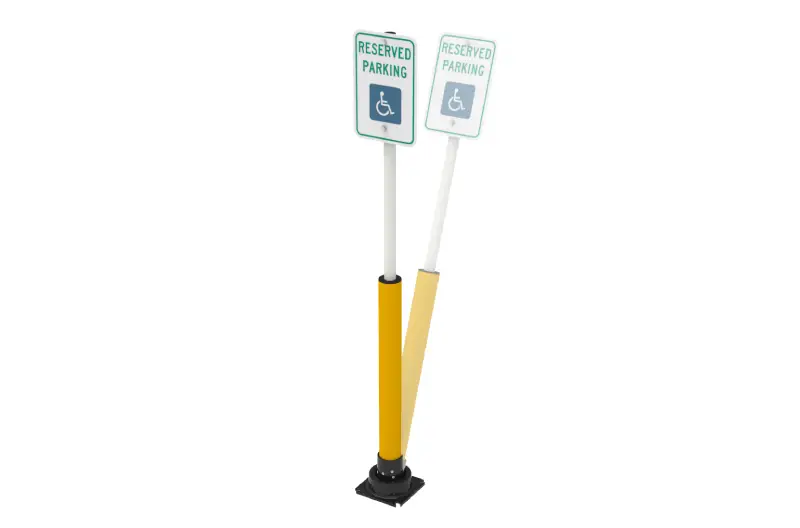
Before diving into installation and maintenance, it’s essential to understand what flexible sign posts are and why they are beneficial. These posts are typically made from materials such as polyurethane, rubber, or plastic, which allow them to bend upon impact and revert to their original shape. They are widely used in areas where vehicle collisions with signage are likely, reducing the need for frequent replacements and repairs.
Benefits of Flexible Sign Posts
- Impact Resistance: Unlike rigid metal posts, flexible sign posts can withstand vehicle impacts and return to position.
- Cost-Effective: Reduces the need for frequent replacements, saving on maintenance costs.
- Enhanced Safety: Minimizes damage to vehicles and reduces injury risks for pedestrians and drivers.
- Weather Resistant: Suitable for various weather conditions, including extreme temperatures, heavy rain, and strong winds.
- Easy Installation: Most models come with simple mounting systems, making them easy to install and replace.
Step-by-Step Guide to Installing Flexible Sign Posts
Gather Necessary Tools and Materials
Before starting the installation, ensure you have the following tools and materials:
- Flexible sign post kit (including the post, base, and necessary hardware)
- Drill and drill bits
- Wrench set
- Measuring tape
- Level
- Concrete mix (if installing in soil or soft ground)
- Safety gloves and goggles
Choose the Right Location
Selecting the proper location for your flexible sign post is crucial for its effectiveness. Consider the following factors:
- Visibility: Ensure the sign post is placed in a clear and visible area.
- Surface Type: Determine whether the installation surface is concrete, asphalt, or soil, as this affects the anchoring method.
- Safety Considerations: Avoid placing sign posts too close to pedestrian walkways or driveways where they may obstruct movement.
Prepare the Installation Site
For a stable and secure installation, prepare the site by:
- Cleaning the surface to remove debris, dirt, and loose particles.
- Marking the drilling points using the base plate as a guide.
- Ensuring the surface is level to prevent tilting after installation.
Installing on Different Surfaces
Installing on Concrete or Asphalt
Use a drill to create holes at the marked points.
Insert the provided anchor bolts into the drilled holes.
Position the base plate over the holes and secure it using bolts.
Tighten the bolts firmly to ensure stability.
Attach the flexible sign post to the base as per the manufacturer’s instructions.
Installing on Soil or Grass
Dig a hole deep enough to accommodate the base and provide stability.
Fill the hole with concrete mix and insert the base plate before the concrete sets.
Allow the concrete to cure for at least 24 hours before attaching the post.
Secure the flexible sign post onto the base as directed.
Tips for Maintaining Flexible Sign Posts
Regular Inspections
Frequent inspections help identify potential issues early. Check for:
- Signs of wear and tear, such as cracks or fading.
- Loose bolts or unstable bases.
- Dirt or debris accumulation that may affect visibility.
Cleaning and Upkeep
Keeping flexible sign posts clean enhances their visibility and longevity. Use mild detergent and water to wash the post, and avoid harsh chemicals that could damage the material.
Replacing Damaged Parts
If any part of the sign post is damaged, replace it immediately to maintain its effectiveness. Most flexible sign posts have interchangeable components, making repairs simple.
Ensuring Proper Bolt Tightness
Over time, bolts may loosen due to vibrations or weather conditions. Periodically check and tighten bolts to prevent instability.
Protecting Against Extreme Weather Conditions
- In hot climates, ensure the material used is UV-resistant to prevent degradation.
- In cold areas, choose flexible sign posts designed to withstand freezing temperatures.
Conclusion
Installing and maintaining flexible sign posts is a straightforward process when following the correct steps. These posts offer a durable and cost-effective solution for traffic management and safety, reducing the frequency of replacements and repairs. By conducting regular inspections, cleaning, and timely repairs, you can ensure that your flexible sign posts remain in optimal condition for years to come. Whether for parking lots, roads, or construction sites, these sign posts are a valuable investment in improving visibility and safety.
Resource URL:
https://roadly.ca/product-category/parking-lot-supplies/flexible-sign-posts/
https://en.wikipedia.org/wiki/Signage

Introducing Calvin Parker, a wordsmith residing in the ever-evolving landscapes of the United States. Amidst the flux of cities, Calvin crafts compelling narratives that transcend boundaries. With a penchant for storytelling, Calvin is not only an accomplished author but also a contributor to magazines and news channels, weaving tales that captivate audiences across the diverse tapestry of American locales.
Leave a Reply