Florida-style homes often feature raised foundations or are built on pilings to improve airflow and reduce flood risks. This elevation helps reduce indoor heat accumulation by allowing air to circulate underneath. Strategic site planning also positions homes to maximize shade and catch natural breezes. Proper orientation and elevation together minimize heat retention while improving cooling efficiency, especially in low-lying or coastal regions prone to both heat and high humidity.
Reflective Roofs and Light-Colored Exteriors
Florida style home designs are frequently designed with metal or tile roofs in light shades that reflect sunlight instead of absorbing it. Similarly, light-colored stucco or siding helps deflect heat and reduce interior temperatures. These materials not only improve energy efficiency but also extend the roof’s lifespan. Reflective exteriors are a smart response to Florida’s year-round sunshine and help keep indoor spaces cooler without heavy reliance on air conditioning.
Deep Overhangs and Covered Outdoor Areas
Deep roof overhangs, verandas, and covered lanais are trademarks of Florida home designs. These features shield windows and walls from direct sunlight, keeping interiors cooler and shaded throughout the day. By reducing solar heat gain, these design elements help maintain a more stable indoor temperature. Additionally, shaded outdoor living areas allow homeowners to enjoy the Florida climate while staying protected from heat and UV exposure.
Cross-Ventilation and Window Placement for Breeze Flow
Florida-style homes often feature strategically placed windows and vents to support natural cross-ventilation. This layout allows fresh air to move through the home, pushing warm air out and drawing cooler breezes in. Large windows, transoms, and operable shutters are key features that enhance this airflow. Cross-ventilation reduces the need for constant air conditioning and helps maintain indoor air quality—crucial in humid, moisture-prone environments.
Use of High Ceilings to Release Trapped Heat
High or vaulted ceilings are commonly found in Florida-style homes as they allow hot air to rise above living spaces. This reduces the intensity of heat at occupant level and encourages more efficient cooling. Paired with ceiling fans and vent systems, tall ceilings contribute to better air circulation. They not only make rooms feel more spacious but also play a practical role in managing heat during the hot months.
Durable, Moisture-Resistant Interior Materials
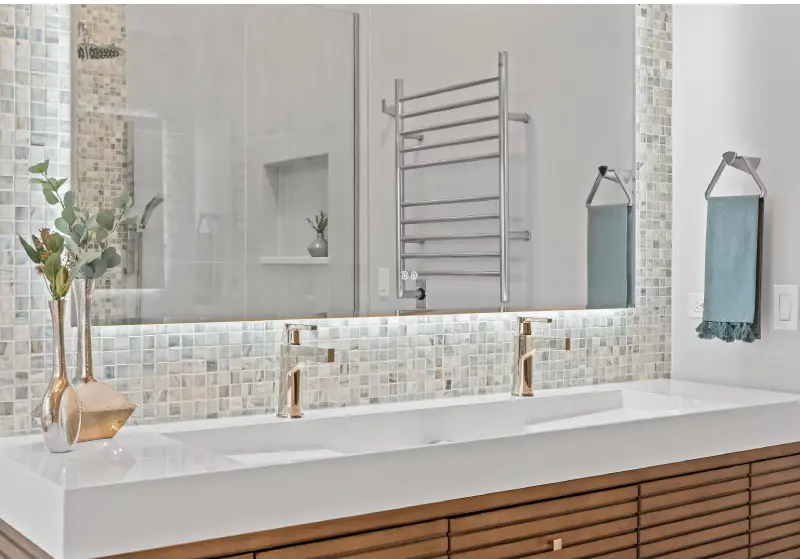
To combat the effects of Florida’s humidity, modern home interiors are often built using materials that resist mold, mildew, and warping. Porcelain tile floors, vinyl plank flooring, quartz countertops, and mildew-resistant paint help maintain the home’s integrity in a damp climate. These finishes not only look good but also reduce long-term maintenance. Homeowners should prioritize materials that are both attractive and built to withstand moisture and temperature shifts.
Insulated Windows and Energy-Efficient Glass
Florida-style homes typically include double or triple-pane windows with low-E coatings that help block heat while letting in natural light. These energy-efficient windows are essential for reducing indoor temperatures and preventing condensation buildup. Insulated glass reduces the need for artificial cooling and protects furniture from UV damage. Investing in high-performance windows pays off quickly in Florida’s bright and humid conditions.
Ventilated Attics and Roof Systems
Proper attic ventilation is critical in Florida homes to release trapped heat and moisture. Ridge vents, soffit vents, and attic fans allow rising hot air to escape, preventing it from transferring into living areas. These features help regulate attic temperatures, extend roof life, and reduce the load on air conditioning systems. A well-ventilated attic supports the overall cooling strategy of the home and improves energy efficiency.
Landscaping for Shade and Climate Control
Strategically planted trees, shrubs, and hedges can create shade around the home, reducing surface temperatures and protecting windows from direct sunlight. Florida-style designs often integrate native and drought-tolerant plants that thrive in heat and humidity. Landscaping not only beautifies the property but also contributes to passive cooling, reducing reliance on energy-intensive solutions. A well-designed yard complements the home’s architecture and enhances comfort.
HVAC Systems Designed for Florida’s Climate
Florida-style homes often include advanced HVAC systems tailored for high humidity and year-round heat. Dehumidifiers, zoned cooling, and smart thermostats ensure interior comfort while managing energy costs. Many systems also include air purifiers to tackle allergens common in humid environments. When selecting or building a Florida home, it’s important to evaluate the HVAC setup to ensure it’s efficient, responsive, and designed for the state’s specific weather patterns.
Conclusion
Florida-style home designs smartly address heat and humidity through a mix of architectural planning, material choices, ventilation strategies, and landscaping. From reflective roofs and high ceilings to efficient HVAC systems and moisture-resistant interiors, each design decision supports cooler, drier, and more comfortable living. These homes don’t just reflect a style—they embody a climate-responsive approach that makes year-round life in Florida both practical and enjoyable.
Resource URL:
https://www.aklarch.com/florida-rebuild
https://en.wikipedia.org/wiki/Housing_in_Florida

Kelly Manuel is a writer and illustrator who has been published in many books for children. Her favorite things to do are read, draw, and play with her dog. Kelly Manuel was born on October 18th, 1985. She grew up as an only child but she always had lots of dogs around the house because her parents were both veterinarians. She loved reading from a very young age and would often make up stories about the dogs that came into the clinic where she lived with her parents.
Leave a Reply