
In recent years, the realm of architectural design has been transformed by advances in 3D design and rendering technologies. These tools have not only enhanced the aesthetic appeal of architectural projects but have also revolutionized how architects, clients, and designers collaborate. In this article, we’ll dive into how 3D design and rendering are reshaping the way visual communication functions in architecture and why it’s becoming an essential tool for success in the industry.
The Role of 3D Design and Rendering in Modern Architecture
Architecture has always been about bringing ideas to life, creating structures that are both functional and visually appealing. But the challenge for architects has traditionally been conveying these ideas to clients in a way that they can fully comprehend before construction even begins. Enter 3D design and rendering, a game-changing technology that allows architects to turn abstract concepts into tangible visual representations.
By utilizing 3D design and rendering tools, architects can produce hyper-realistic visualizations of their concepts, helping clients better understand the scope, scale, and aesthetic of a proposed design. These visualizations aren’t just about creating beautiful images, they allow architects to test, iterate, and modify designs with accuracy and ease. The technology makes it possible for clients to experience a design from all angles, offering a much more immersive, insightful look than traditional 2D drawings ever could.
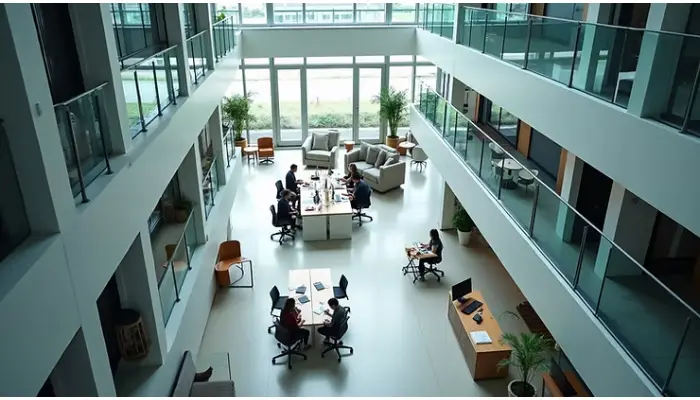
The Benefits of 3D Rendering for Client Collaboration
One of the most significant advantages of incorporating 3D design and rendering into the architectural process is the improvement in client collaboration. Traditionally, architects would rely on blueprints, sketches, and 2D drawings to communicate their ideas. But these tools, while effective, often lead to miscommunication. Clients might struggle to envision the final product or misunderstand certain elements of the design, which can result in delays and costly revisions.
With 3D rendering, these issues are largely avoided. Clients can view designs from any angle, zoom in to see fine details, and even make suggestions for changes in real-time. This ability to visualize the design before construction begins empowers clients to make more informed decisions, while also ensuring that architects receive immediate feedback. This collaborative process fosters trust and transparency, which can lead to smoother project timelines and more satisfied clients.
Enhancing the Accuracy and Detail of Designs
In the world of architecture, precision is crucial. A design that looks perfect in theory can fail in execution if the details aren’t accounted for correctly. With 3D design and rendering, every aspect of a project can be meticulously planned and visualized — from the materials and textures to the lighting and spatial layout. This level of detail helps architects identify potential issues before they become problems on-site, allowing for changes to be made in the digital space rather than during construction.
Additionally, 3D rendering offers greater accuracy when it comes to proportions and scale. What might seem like an acceptable design on paper can look entirely different once it’s rendered in three dimensions. These renderings allow architects to check their work for any inconsistencies or issues that might otherwise have been missed, ensuring that the final design is both aesthetically pleasing and structurally sound.
The Impact on Sustainability and Energy Efficiency
As sustainability continues to be a critical focus in architecture, 3D design and rendering technologies are becoming increasingly important. Many modern rendering tools allow architects to simulate energy performance and evaluate the environmental impact of their designs. By analyzing how sunlight, wind, and other natural elements interact with the structure, architects can optimize their designs for energy efficiency before they are ever built.
These tools can simulate lighting and shadow patterns, helping architects determine the best positioning for windows and insulation to reduce energy consumption. By incorporating these insights into the design phase, architects can create buildings that are more sustainable, reducing both their environmental footprint and long-term operational costs.
The Future of 3D Design and Rendering in Architecture
The possibilities for 3D design and rendering in architecture are constantly evolving. As new technologies like virtual reality (VR) and augmented reality (AR) continue to grow, the potential for immersive, interactive design experiences becomes even more expansive. Architects and clients will be able to walk through 3D models in real-time, adjusting and experiencing designs in a way that was previously unimaginable.
The integration of artificial intelligence (AI) into rendering technologies could also streamline the design process even further. AI algorithms could help automatically adjust designs based on client feedback, environmental factors, or budget constraints, making it easier for architects to refine their concepts with precision.
As these technologies continue to advance, it’s clear that 3D design and rendering will play a crucial role in shaping the future of architecture. They provide not only the tools for creating more beautiful and functional designs but also the means for building deeper, more collaborative relationships between architects and their clients.
Conclusion
In an industry that thrives on innovation and creativity, 3D design and rendering have become indispensable tools for architects and designers. They offer unprecedented ways to visualize concepts, collaborate with clients, and refine designs with accuracy and efficiency. As technology continues to improve, the potential for 3D rendering to enhance architectural projects is boundless.
Whether it’s refining a design, ensuring accuracy, or improving client satisfaction, 3D design and rendering is revolutionizing visual communication in architecture. For businesses in the architecture and design space, staying ahead of the curve with these technologies isn’t just a competitive advantage, it’s essential for success in a rapidly evolving industry.
Resource URL:
https://en.wikipedia.org/wiki/Architectural_rendering

Kelly Manuel is a writer and illustrator who has been published in many books for children. Her favorite things to do are read, draw, and play with her dog. Kelly Manuel was born on October 18th, 1985. She grew up as an only child but she always had lots of dogs around the house because her parents were both veterinarians. She loved reading from a very young age and would often make up stories about the dogs that came into the clinic where she lived with her parents.
Leave a Reply