Category: Health

  • The Importance Of Early Prevention In Kids Dental Health

    The Importance Of Early Prevention In Kids Dental Health

    When it comes to kids’ dental health, early prevention is the key to ensuring lifelong oral health and avoiding serious dental problems. Regular dental checkups for kids are essential for the detection of cavities, oral problems, and other dental health issues that can have a serious impact on a child’s overall health. In this article, we will discuss the importance of early prevention in kids’ dental health, what you need to know about kids dental checkups, why regular dental checkups are important for kids, how to prepare your child for a dental checkup, and tips for making kids dental checkups less stressful.

    We will also discuss the types of dental checkups for kids, what to expect during a kids dental checkup, how to find the right kids dentist, how to make kids dental checkups more enjoyable, and what to look for during a kids dental checkup. Finally, we will discuss the benefits of regular kids dental checkups.

    What do You need To Know About Kids Dental Checkups?

    When it comes to kids’ dental health, it is important to understand the importance of regular dental checkups. It is recommended that children visit the dentist at least twice a year for a regular checkup. During these denver kids dental checkup, the dentist will be able to check for any signs of cavities, gum disease, and other oral health issues. In addition, the dentist can also provide preventive care, such as fluoride treatments and sealants, which can help to protect your child’s teeth from cavities and decay.
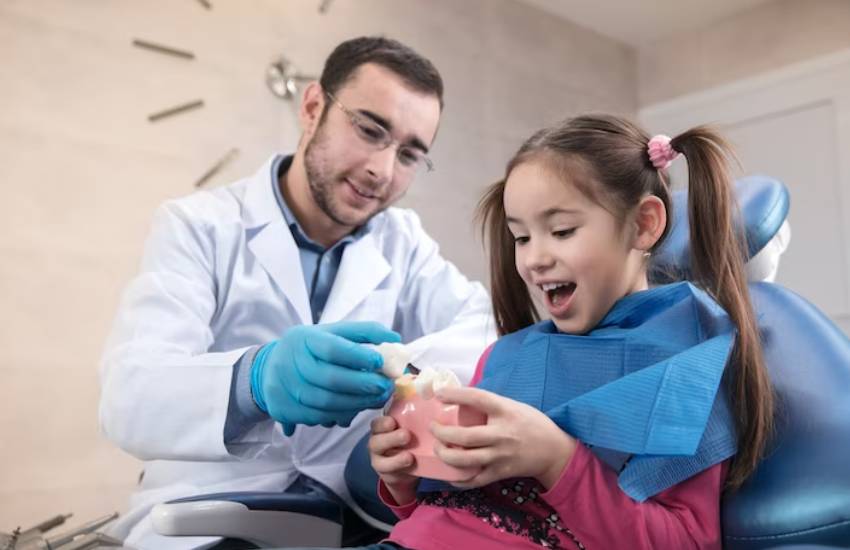
    kids dental checkup

    Why Regular Dental Checkups Are Important For Kids?

    Regular dental checkups for kids are essential for the detection of cavities, oral problems, and other dental health issues. Early detection of dental health issues can help to prevent more serious problems from developing in the future. Regular checkups also help the dentist to monitor your child’s overall dental health and provide the necessary preventive care that can help to protect their teeth from cavities and decay.

    How To Prepare Your Child For A Dental Checkup?

    It is important to prepare your child for their dental checkup in order to ensure that they have a positive experience. Before the appointment, you should talk to your child about what to expect during the visit and explain why dental checkups are important. You should also let them know that they will see and learn new things at the dentist’s office. It is also a good idea to practice brushing and flossing with your child to get them used to the process.

    Tips For Making Kids Dental Checkups Less Stressful

    It can be difficult to get your child to the dentist for their regular checkups, but there are some things you can do to make the experience less stressful for them. First, you should try to find a kids dentist who is friendly and easy to talk to. You should also make sure that the office is child-friendly, with bright colors, fun decorations, and toys. Finally, you should make sure your child feels comfortable and respected during the checkup.

    Types Of Dental Checkups For Kids

    When it comes to dental checkups for kids, there are different types of checkups that can be done. These include a basic checkup, a dental cleaning, x-rays, and fluoride treatments. During a basic checkup, the dentist will check for any signs of cavities, gum disease, and other oral health issues. During a dental cleaning, the dentist will remove plaque and tartar from your child’s teeth. X-rays can help to detect any cavities or other problems that may not be visible to the naked eye. Finally, fluoride treatments can help to prevent cavities and decay.

    What To Expect During A Kids Dental Checkup?

    When you take your child to the dentist for a checkup, the dentist will first take a complete medical and dental history. They will then examine your child’s teeth and gums, checking for any signs of cavities, gum disease, and other oral health issues. They may also take x-rays to check for any underlying problems. After the exam, the dentist may provide preventive care, such as fluoride treatments and sealants.

    How To Find The Right Kids Dentist?

    When it comes to finding the right kids dentist, it is important to do your research. You should look for a dentist who is experienced in working with children and who is familiar with the latest dental techniques and technologies. You can also ask your friends and family for recommendations. Additionally, you can look online to find reviews of local dentists.

    How To Make Kids Dental Checkups More Enjoyable?

    It is important to make your child’s dental checkups as enjoyable as possible. You can do this by bringing along a favorite toy or book for your child to look at during the appointment. You can also bring along a family member or friend who can provide moral support for your child. Additionally, you can bring along a special treat for your child to enjoy after the appointment.

    What To Look For During A Kids Dental Checkup?

    When you take your child to the dentist for a checkup, you should look for signs of cavities, gum disease, and other oral health issues. You should also look for any signs of tooth decay, such as discoloration or chipping of the teeth. In addition, you should look for signs of misaligned teeth, which can lead to pain and difficulty when eating or speaking.

    The Benefits Of Regular Kids Dental Checkups

    Regular dental checkups for kids are essential for the detection of cavities, oral problems, and other dental health issues. Regular checkups also help the dentist to monitor your child’s overall dental health and provide the necessary preventive care that can help to protect their teeth from cavities and decay. In addition, regular checkups can help to detect any underlying problems that may not be visible to the naked eye. Finally, regular checkups can help to ensure that your child’s teeth and gums remain healthy and strong.

    Conclusion

    When it comes to kids dental health, early prevention is the key to ensuring lifelong oral health and avoiding serious dental problems. Regular dental checkups for kids are essential for the detection of cavities, oral problems, and other dental health issues that can have a serious impact on a child’s overall health. In this article, we discussed the importance of early prevention in kids’ dental health, what you need to know about kids dental checkups, why regular dental checkups are important for kids, how to prepare your child for a dental checkup, and tips for making kids dental checkups less stressful. 

    We also discussed the types of dental checkups for kids, what to expect during a kids dental checkup, how to find the right kids dentist, how to make kids dental checkups more enjoyable, and what to look for during a kids dental checkup. Finally, we discussed the benefits of regular kids dental checkups. Regular dental checkups for kids are essential for ensuring good oral health and avoiding serious dental problems.

  • Automating Referrals With The Referral Portal For Physicians

    Automating Referrals With The Referral Portal For Physicians

    Automating referrals with the referral portal for physicians is a great way to streamline the process of managing referrals and ensure that the patient gets the care they need in a timely manner. By using an automated referral portal, physicians can easily search and submit referrals electronically to other healthcare providers, eliminating the need for paperwork and manual referrals. The portal also allows physicians to track referrals, ensuring that the patient receives their care in a timely manner. Furthermore, the portal provides secure communication between physicians and other healthcare providers, allowing for a faster and more efficient exchange of information. Automating referrals with the referral portal for physicians is a great way to improve the quality of care for patients and provide better communication between healthcare providers.

    Why Automate Referrals With The Referral Portal For Physicians?

    Automating referrals with the Referral Portal for Physicians makes the entire process more efficient and secure. It helps ensure that patient data is kept safe and secure, as well as ensuring that all referral forms are filled out correctly. Additionally, the process is much quicker than manual referral processes, allowing physicians to quickly and efficiently refer patients to specialists and other healthcare providers. Automating referrals also reduces the administrative burden on physicians, freeing up valuable time that can be spent with patients. With automated referral processes, physicians can focus on providing the best care possible, rather than spending time on tedious paperwork.

    Referral Portal for Physicians

    What Is Referral Automation?

    Referral automation is a technology that enables companies to automate the process of collecting and managing employee referrals. It helps businesses to optimize the referral process by automating the flow of collecting and managing referrals, tracking referral activities, rewarding successful referrals, and connecting people. This technology helps businesses to increase efficiency, reduce costs and improve their referral program performance. It also helps to build and maintain relationships with referral sources, and identify and reach out to potential new hires.

    How To Automate Referrals With The Referral Portal For Physicians?

    Automating referrals with a referral portal for physicians can save time and resources for healthcare practitioners and patients alike. The portal is designed to streamline the referral process by connecting physicians to their peers and specialists, allowing for faster and easier referral requests. This portal allows physicians to quickly and easily create referral requests, submit them online or through the portal, and receive notifications when the referral is accepted or denied. Additionally, the portal can track referrals, allowing physicians to see the status of their referrals and follow up with patients. Automating the referral process with a referral portal for physicians helps to ensure that patients receive the care they need in a timely and efficient manner.

    Tips For Automating Referrals With The Referral Portal For Physicians

    The Referral Portal for Physicians is a great way to automate referrals and improve patient care. By using this portal, physicians can send referrals electronically and securely track the status of each referral. This helps to save time, reduce paperwork, and ensure that referrals are sent quickly and accurately. Here are some tips for automating referrals with the Referral Portal for Physicians: ensure that all referral information is accurate and up-to-date; use the Referral Portal to track referrals and view any updates; provide feedback and updates to the referring physician. Implementing the Referral Portal for Physicians will help to streamline the referral process, improve patient care, and increase efficiency.

    Types Of Referral Automation Services Available

    Referral automation services provide businesses with an effective way to increase customer acquisition and generate more leads. These services allow businesses to set up automated referral programs that generate new customers through referrals from existing customers. There are a variety of types of referral automation services available, such as referral marketing services, referral tracking services, and referral tracking and analytics services. Referral marketing services allow businesses to create incentives for customers to refer other customers, such as discounts or loyalty points. Helping businesses measure the effectiveness of their referral programs. Referral tracking and analytics services provide additional insights into customer referrals by providing detailed reporting and analysis. These services allow businesses to make informed decisions about their referral programs and optimize them for maximum effectiveness.

    Benefits Of Automating Referrals With The Referral Portal For Physicians

    Automating referrals with the Referral Portal for Physicians is a great way to streamline the referral process and make it more efficient. The portal allows physicians to quickly create, process, and track referrals and referrals requests, while also providing comprehensive medical history and other important information. This makes it easier and faster to refer patients to the right specialists. In addition, automating referrals can help reduce physician burnout and improve patient care. By eliminating manual paperwork, physicians can focus on more important aspects of patient care, such as diagnosis and treatment. Automating referrals also improves communication between physicians and specialists, allowing them to collaborate more effectively and provide better care to patients.

    Conclusion

    Automating referrals with the referral portal for physicians can be an effective way to improve efficiency and reduce administrative costs. It allows patients to easily access their doctors’ referral information, and it allows physicians to quickly send referral requests to other specialists. The portal also helps with tracking the progress of referrals and sending reminders to patients when needed. It can also help with managing patient wait times and reducing no-shows. Physicians can use the portal to quickly refer patients to specialists, reducing the time it takes to process referrals and improving patient care. Overall, physicians are a great way to streamline the referral process and improve patient care.

  • How The Dexcom G6 Transmitter Can Help Improve Your Health

    How The Dexcom G6 Transmitter Can Help Improve Your Health

    The Dexcom G6 Transmitter is an innovative device that can help improve your health. This device works in conjunction with a continuous glucose monitoring (CGM) system to provide accurate, real-time glucose readings. The G6 transmitter is comfortable to wear, and it continuously reads glucose levels, so you can make informed decisions about your health. With this device, you can monitor glucose levels, set alerts for potential risks, and track your progress over time. It also provides helpful reminders to take insulin and make lifestyle changes. By using the Dexcom G6 Transmitter, you can take control of your health, gain insight into your body’s signals, and make healthier choices.

    What Is The Dexcom G6 Transmitter And How Can It Help Improve Your Health?

    The Dexcom G6 Transmitter is a revolutionary medical device designed to help improve health outcomes. It is a continuous glucose monitoring (CGM) system that provides real-time glucose readings, allowing people with diabetes to better manage their blood sugar levels. The G6 transmitter is small, discreet, and attaches to the wearer’s skin. It communicates wirelessly with a compatible smartphone or another device to provide glucose readings every five minutes. This data can then be used to adjust insulin doses and lifestyle choices to keep glucose levels in the recommended range. The Dexcom G6 Transmitter is a valuable tool for people with diabetes, providing up-to-date information and helping them to make more informed decisions about their health.

    dexcom g6 transmitter

    Why You Should Consider Using The Dexcom G6 Transmitter For Optimal Health?

    The Dexcom G6 Transmitter is the latest technological advancement in diabetes management. It provides real-time data on your glucose levels, alerting you if levels become too high or too low. This device is highly accurate and easy to use. It can be worn for up to 10 days at a time without needing to be recharged. Furthermore, it has a slim, discreet design that is comfortable to wear. The data it provides is also shareable with your healthcare provider, giving them insight into patterns and trends in your glucose levels. All this makes the Dexcom G6 Transmitter an ideal choice for those looking to better manage their diabetes.

    How To Use The Dexcom G6 Transmitter For Better Health Outcomes?

    The Dexcom G6 Transmitter is a useful tool for managing diabetes and other chronic health conditions. It is designed to provide continuous glucose monitoring (CGM) and real-time feedback to help improve health outcomes. To use the Dexcom G6 Transmitter, first, charge the device with the included charging cable. Then, attach the transmitter to your body with the adhesive patch. Connect the transmitter to your compatible mobile device to enable remote monitoring and alerts. Once connected, you can customize your settings to receive notifications when your glucose levels are too high or too low. Additionally, you can use the app to track trends and adjust your lifestyle and diet to better manage your health. With regular use, you can use the Dexcom G6 Transmitter to improve your overall health and quality of life.

    Tips For Maximizing The Benefits Of The Dexcom G6 Transmitter

    The Dexcom G6 Transmitter is a great device for managing blood sugar levels. To maximize its benefits, start by setting up an account and downloading the app. Make sure to enter in the serial number and other information correctly, as this will ensure accurate readings. Also, make sure the transmitter is securely attached to the body, as this will ensure the readings are precise. Additionally, regularly check the battery, as this will ensure no readings are missed. Finally, stay on top of the calibration by setting reminders and responding quickly when prompted, as this will ensure readings are as accurate as possible. By following these tips, you can get the most out of your Dexcom G6 Transmitter.

    Types Of Health Improvements You Can Expect With The Dexcom G6 Transmitter

    The Dexcom G6 Transmitter is a device designed to help improve your health. This device allows you to track your blood glucose levels and provides accurate readings for up to 10 days. With the Dexcom G6 Transmitter, you can expect to see a variety of health benefits. It helps you manage glucose levels in real time, allowing you to make the necessary adjustments to your diet and lifestyle to stay healthy. It can also help reduce the risk of hypoglycemia and other blood sugar-related issues. Furthermore, it can help you identify trends in your blood sugar levels, allowing you to adjust your medications and lifestyle to get the best results. With the Dexcom G6 Transmitter, you can expect to experience improved health and better control over your glucose levels.

    Understanding The Features Of The Dexcom G6 Transmitter And Its Impact On Your Health

    The Dexcom G6 Transmitter is a revolutionary device that allows you to monitor your health with greater accuracy and convenience. It offers a range of features, such as continuous glucose monitoring, real-time alerts, and easy-to-use software. With the Dexcom G6 Transmitter, you can track your glucose levels and get alerts when your levels are high or low. This can help you better manage your diabetes and stay on top of your health. Additionally, it can provide you with personalized health insights to make more informed decisions about your health. By understanding the features of the Dexcom G6 Transmitter, you can take steps to improve your health and get the best care possible.

    Conclusion

    The Dexcom G6 Transmitter can be a valuable tool in managing and improving your health. It provides accurate, real-time glucose monitoring, allowing you to make informed decisions about food, exercise, and medications. With the ability to set alerts, you can take action when needed and prevent serious health issues from occurring. This device can also help you stay on track with your diabetes management plan, allowing you to better manage your condition and live a healthier life.

  • Combining Therapies for Effective Dual Diagnosis Treatment

    Combining Therapies for Effective Dual Diagnosis Treatment

    Combining therapies for effective dual diagnosis treatment is an approach that has become increasingly popular in the field of mental health. Dual diagnosis treatment involves addressing both an individual’s mental health and substance use disorder. Mental health and substance use disorders can be very complex and require a comprehensive treatment approach. Combining therapies can be beneficial as it can provide a more holistic approach to treatment to ensure the best possible outcome. By combining therapies, individuals can benefit from the different approaches and techniques that each therapy can offer. This approach can also help to address both mental health and substance use disorders simultaneously, which can minimize or even eliminate the need for multiple treatments.

    This article will discuss the benefits of combining therapies, understanding dual diagnosis, types of therapies used in dual diagnosis treatment, collaborative care for dual diagnosis, the role of medications in dual diagnosis treatment, the challenges of combining therapies, and guidelines for successful combining therapies.

    The Benefits of Combining Therapies

    Combining therapies is one of the most effective ways to treat dual diagnosis. When two or more therapies are used simultaneously, they can provide both physical and psychological benefits. People suffering from mental health and substance abuse issues often benefit greatly from the combination of individual and group counseling, medication management, and alternative therapies. This combination of therapies can help the patient to address all of their symptoms, reduce the risk of relapse, and improve overall functioning. Additionally, combining therapies can help to create an environment of support and understanding, which is essential for recovery. dual diagnosis treatment center in Tennessee

    Understanding Dual Diagnosis 

    Dual diagnosis is a term used to describe a person who suffers from both mental health and substance abuse issues. This can be a difficult diagnosis to treat as both conditions must be addressed simultaneously in order to achieve successful outcomes. It is important to understand that each condition can affect the other and that both need to be treated at the same time in order to achieve the best results. It is also important to understand that dual diagnosis is not a single diagnosis. But rather the combination of two separate conditions which require specialized treatment and care.

    Types of Therapies Used in Dual Diagnosis Treatment 

    When treating the dual diagnosis, a variety of therapies can be used. These therapies may include individual and group counseling, psychotherapy, cognitive-behavioral therapy, family therapy, and alternative therapies such as art therapy and music therapy. Each of these therapies can be used alone or in combination to provide a comprehensive treatment plan. Additionally, medications may be used to help manage symptoms and reduce the risk of relapse.

    Collaborative Care for Dual Diagnosis

    Collaborative care is an essential component of dual diagnosis treatment. This team approach allows for a comprehensive approach to treatment. With all involved parties work together to ensure that the patient is receiving the best possible care. Collaborative care involves the patient, their family, and their healthcare providers working together as a team to develop an effective treatment plan.

    The Role of Medications in Dual Diagnosis Treatment

    Medications can play an important role in dual diagnosis treatment. Medications can be used to help manage symptoms, reduce the risk of relapse, and improve overall functioning. Additionally, medications can help to reduce the intensity of cravings and can be used as part of a larger treatment plan. However, it is important to note that medications should never be used as a sole form of treatment, and should always be used in combination with other therapies.

    The Challenges of Combining Therapies

    Combining therapies for dual diagnosis treatment can present some unique challenges. First, it can be difficult to find the right combination of therapies that will be most effective for the individual patient. Additionally, some therapies may be more effective than others. It can be difficult to determine which therapies are most beneficial. It can also be difficult to coordinate the different therapies and ensure that each is being used effectively.

    Guidelines for Successful Combining of Therapies 

    In order to ensure the successful combining of therapies for dual diagnosis treatment. There are certain guidelines that should be followed. First, each therapy should be tailored to the individual needs of the patient. Additionally, all involved parties should work together to create a comprehensive treatment plan that addresses all aspects of the patient’s condition. Finally, medications should only be used as part of a larger treatment plan, and should never be used as a sole form of treatment.

    Continuing Support for Dual Diagnosis Treatment 

    Dual diagnosis treatment is a long-term process. It is important to ensure that the patient has access to continuing support. Support groups, family therapy, and other forms of support can help to ensure that the patient is receiving the necessary resources and help to stay on track. Additionally, continuing care should be provided to help the patient manage their symptoms and reduce the risk of relapse.

    Combining therapies is an effective way to treat dual diagnosis. And when done correctly can provide a comprehensive approach to treatment. It is important to understand the different types of therapies that can be used and the benefits of combining them. Additionally, collaborative care and continuing support are essential components of dual diagnosis treatment. If these guidelines are followed, combining therapies can be an effective way to treat dual diagnosis.

    Conclusion

    Combining therapies for effective dual diagnosis treatment is beneficial for individuals with co-occurring mental health and substance use disorders. This approach can help reduce symptoms of both conditions and improve overall functioning. It is important to ensure that all treatments are tailored to the individual. With a focus on their needs and preferences. Additionally, strong communication between all treatment providers is essential to ensure that the patient’s needs are being met. With the right combination of therapies and a dedicated treatment team. Individuals with a dual diagnosis can experience improved quality of life and long-term recovery.

    Resource URL:
    https://en.wikipedia.org/wiki/Dual_diagnosis
    https://www.tn.gov/behavioral-health.html
    https://magnoliaranchrecovery.com/our-treatments/dual-diagnosis-treatment/

  • Managing Depression: Strategies for Living a Healthy Life

    Managing Depression: Strategies for Living a Healthy Life

    Depression is a very real and serious condition that can affect anyone at any time. It can be caused by many things, including genetics, life events, and lifestyle choices. Managing depression is an important part of maintaining a healthy life. It is important to recognize the signs and symptoms of depression and to learn effective strategies for managing it. These strategies include lifestyle changes, such as developing healthy habits, exercising, getting enough quality sleep, and participating in activities that promote relaxation. Additionally, psychotherapy and antidepressant medications can be used to help manage depression. It is also important to stay connected with supportive friends and family members and to seek professional help if needed. With the right approach, it is possible to manage depression treatment and lead a healthy, fulfilling life.

    Developing Positive Thinking Habits

    Depression treatment Chattanooga offers a range of treatments for depression, from counseling to medication, to help individuals struggling with the condition. Positive thinking can have a powerful impact on how we feel. Our thoughts can be our worst enemy or our best friend. When we are depressed, our thoughts can be filled with negative self-talk and pessimism which can only serve to further our depression. Developing positive thinking habits can help to reduce depression symptoms. This can involve challenging negative thoughts and replacing them with more positive, realistic ones. When we are able to think more positively, it can help us to develop more self-confidence, increase our motivation, and help us to take action to address our depression.

    depression treatment Chattanooga

    Eating a Healthy Diet

    Eating a healthy diet is an important part of treating depression. Studies have linked poor nutrition to depression, so it is important to focus on eating nutritious foods. A diet that emphasizes fruits, vegetables, whole grains, and lean proteins can help provide the body with essential vitamins and minerals that are important for overall health and wellness. Additionally, healthy fats such as omega-3 fatty acids found in fish and avocados can help boost mood and reduce symptoms of depression. Eating a balanced diet can also help reduce cravings for unhealthy foods that may worsen depression. Therefore, it is important to include a variety of healthy foods in the diet to ensure that all nutrient needs are met.

    Getting Enough Rest and Exercise

    Getting enough rest and exercise is a vital part of depression treatment. Regular exercise can help to reduce symptoms of depression and improve overall mental and physical health. Aim to exercise for 30 minutes a day, five days a week. This can include anything from walking to running, cycling, or swimming. It is also important to get enough sleep. Aim for at least eight hours of sleep each night. If you have difficulty sleeping, avoid caffeine and alcohol late in the day, and create a calming bedtime routine by reading, listening to soothing music, or taking a warm bath before bed. In addition, try to keep a regular sleep schedule and avoid naps during the day. These steps can help to improve your sleep, and can also help to reduce symptoms of depression.

    Connecting With Others

    Social connection is essential for our physical and mental wellbeing. Connecting with family and friends can help to reduce feelings of loneliness and isolation that are often associated with depression. Participating in activities with friends and family can help to improve our mood and provide us with emotional support. If it’s difficult to reach out to family and friends, there are also many online communities that can provide support.

    Practicing Relaxation Techniques

    Relaxation techniques can be an effective way to manage depression. These techniques can help to calm the mind and body, decrease symptoms of depression, and improve overall well-being. Relaxtion techniques such as progressive muscle relaxation, deep breathing, visualization and mindfulness can help to reduce stress and anxiety. Practicing these techniques can also help to improve sleep and promote a sense of relaxation and ease. Practicing these techniques regularly can help to reduce symptoms of depression and increase feelings of well-being. Making relaxation techniques part of your daily routine can help to improve your overall quality of life.

    Seeking Professional Help

    Seeking professional help for depression treatment is a wise decision. A mental health professional can provide the right diagnosis and treatment plan to help manage symptoms of depression. They can also refer to additional resources such as support groups, therapy, and medication. A good therapist will be able to provide a safe, non-judgmental environment to work through the issues causing depression and provide tools to manage symptoms. Working with a mental health professional is an important part of taking care of one’s mental health and can help individuals to learn and practice coping skills to manage depression. Additionally, a mental health professional can provide guidance on lifestyle changes to help manage episodes of depression.

    Following Through With Treatment Plans

    Following through with a depression treatment plan is essential for long-term recovery. Not only does it help to eliminate symptoms of depression and maintain good mental health, but it also allows individuals to gain insight and gain a better understanding of their condition. Treatment plans can include a variety of different approaches, such as psychotherapy, medication, and lifestyle changes. Each individual will have different needs and a plan should be tailored to those needs. The most important thing is to stick with the treatment plan, even when it feels difficult. It can be challenging, but it is worth it to ensure that individuals are able to maintain their mental health and lead a more fulfilling life.

    Conclusion

    Managing depression is an ongoing process that requires commitment and effort. It is important to remember that you are not alone in your struggle and there are many resources available to help you. With a combination of lifestyle changes, professional help, and support from family and friends, it is possible to live a healthy life despite depression. It is important to take care of yourself and to reach out to others for support when needed.