
Category: Health

  • Understanding The Process Of Powder Manufacturer

    Understanding The Process Of Powder Manufacturer

     Powder manufacturing is a complex process that involves multiple steps, from raw material sourcing to powder processing and packaging. It begins with the selection of the raw material, which is typically a powder or granular material, such as a mineral, a chemical, a spice, or a plant-based material. The raw material is then processed into a powder form, which can involve grinding, sieving, mixing, drying, granulating, and other methods. The powdered material is then tested for its quality and safety, and packaged for shipment to customers. Throughout the manufacturing process, quality assurance and control techniques are used to ensure that the powder meets all safety and quality requirements. Powder manufacturing is a critical process for many industries, and is used to create products for a variety of applications, from food and beverage to pharmaceuticals and industrial products.

    What Is Powder Manufacturing?

    Powder Manufacturer is the process of producing solid particles of a desired size and shape from a variety of raw materials. It involves the use of powerful grinding and milling machines to reduce the size of the raw material into very small particles. The powdered material is then tested for quality and screened for uniformity in size and shape. The powder can then be used for a variety of applications such as pharmaceuticals, cosmetics, food, and industrial applications. Powder manufacturing is a highly specialized process that requires both expertise and equipment to ensure the quality of the final product.
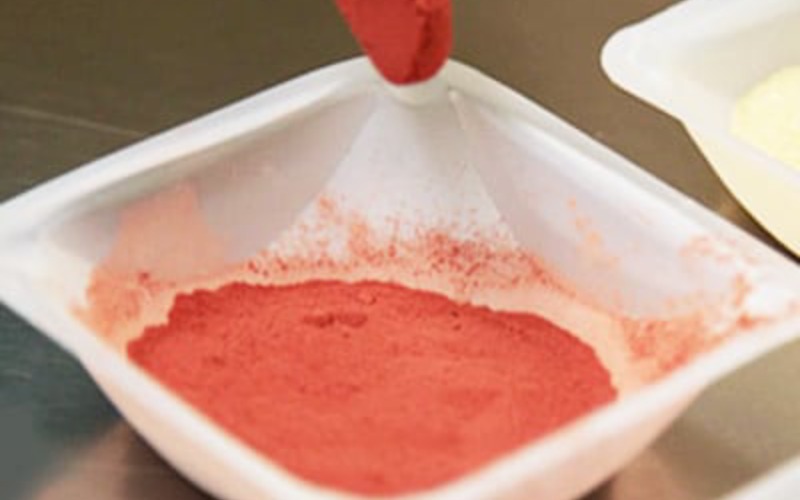
    powder manufacturer

    Why Is Powder Manufacturing Necessary?

    Powder manufacturing is necessary for many industries and processes, such as pharmaceuticals, cosmetics, food, beverages, and more. Powder manufacturing ensures that the ingredients used are of the highest quality and are properly mixed and blended. Furthermore, powder manufacturing can be used to develop new products and formulations or improve existing ones. Powder manufacturing can be used to create a variety of products, from dry ingredients to wet formulations. Moreover, this process can be used to create a homogeneous mixture of components and guarantee consistency in the finished product. Powder manufacturing is essential for producing high-quality, safe, and reliable products.

    How To Effectively Manufacture Powders?

    Manufacturing powders effectively requires a thorough understanding of the process and an experienced team of technicians. Firstly, the raw materials must be weighed and blended together as per the desired composition. Then, the blended raw materials must be dried to the desired moisture level. Finally, the dry powder should be milled to the desired particle size. This process should be regularly monitored and adjusted as needed to ensure consistent high-quality results. The powder should also be tested for homogeneity and particle size distribution. Additionally, proper storage and handling of the powder should be taken into consideration to ensure that the powder maintains its quality.

    Tips For Achieving Quality Powder Production

    In order to achieve quality powder production, the following tips should be followed: firstly, raw materials should be carefully selected and inspected to ensure they are of the highest quality. Secondly, the machinery used in the production process should be regularly maintained and calibrated to ensure maximum efficiency. Thirdly, the powder should be accurately weighed and measured to ensure the correct proportions are used in the production process. Lastly, the powder should be tested for quality assurance before being sent out for sale or use. Following these tips will help to ensure quality powder production every time.

    Types Of Powder Manufacturing Processes

    Powder manufacturing processes are used to produce a wide variety of materials in powder form. The most common types of powder manufacturing processes are atomization, spray drying, cryogenic grinding, jet milling, and pelletizing. Atomization involves breaking down a liquid material into small droplets, which are then solidified into powder form. Spray drying is a process that uses hot air to evaporate the liquid from the powder particles. Cryogenic grinding uses liquid nitrogen to freeze a material before it is ground into a powder. Jet milling involves grinding powder particles into a fine powder using a jet of air. Finally, pelletizing is a process that involves pressing a powder into small pellets, which can then be used as a raw material in powder manufacturing processes.

    Benefits Of Powder Manufacturing

    Powder manufacturer is a cost-effective and efficient process that offers numerous advantages over traditional manufacturing. It is much faster and more efficient than other traditional manufacturing processes, which leads to lower production costs. Powder manufacturing also reduces the risk of imperfect parts and minimizes material waste. Moreover, powder manufacturing is also flexible, allowing for the production of complex shapes and sizes with minimal effort. Additionally, parts produced through powder manufacturing are often of a higher quality than those produced through other processes. This makes them more durable and less prone to breakage. Finally, powder manufacturing is also an environmentally friendly process, as it does not require large amounts of energy and resources.

    Conclusion 

    Powder manufacturer is the process of converting raw materials into powder form. It involves mixing and grinding the raw materials to a uniform size, followed by sieving, blending, and packaging. The process is used to produce a wide range of materials, including pharmaceutical, food, cosmetic, and paint products. It is important to understand the process of powder manufacturer to ensure the quality and consistency of the final product. The process requires careful design and control of the raw materials and the equipment used to produce the powder. It is also important to understand the different types of powders, their properties, and how to use them correctly. All of these factors are essential to ensure that the powder is of the highest quality and meets all industry standards.

  • How To Maintain a Healthy Smile: Tips from Your Dentist

    How To Maintain a Healthy Smile: Tips from Your Dentist

    Having a healthy smile is an important part of overall health and well-being. It is the first thing that people notice when they meet you and can make a lasting impression. A healthy smile is important for not only aesthetics but also for preventing potential health problems, such as gum disease or cavities. This is why it is so important to find a quality dentist and get regular dental check-ups. This article will provide tips on finding the right dentist, maintaining good oral health, and understanding the different types of dental treatments available.

    What To Look For In A Quality Dentist

    When looking for the right dentist in cookeville tn, it is important to consider the dentist’s credentials and experience. An experienced dentist should have a good reputation and be well-versed in the latest techniques and technologies. They should also have a caring and compassionate approach to dental care. It is also important to find out what type of insurance the dentist accepts and if they offer any payment plans.

    dentist in cookeville tn

    Why Professional Dental Care Is Essential

    Having regular dentist in cookeville tn, dental care is essential for maintaining a healthy smile. Professional dental care can help detect any potential problems in the early stages, which can prevent them from becoming more serious. Professional dental care can also help to prevent cavities, gum disease, and other oral health issues. Regular check-ups will help to ensure that your teeth remain in optimal health.

    How To Find The Right Dentist For You

    Finding the right dentist for you can be a daunting task. Start by asking family, friends, and colleagues for recommendations. You can also research dentists on the internet and look for reviews from past patients. Once you have narrowed down your list of potential dentists, it is important to schedule a consultation. During the consultation, you should ask about the dentist’s credentials, experience, and techniques. You should also ask about their payment options, insurance coverage, and any other questions you may have.

    Tips For Maintaining Good Oral Health

    Maintaining good oral health is essential for having a healthy smile. Brush your teeth at least twice a day with fluoride toothpaste, floss daily, and use mouthwash to help prevent cavities and gum disease. It is also important to limit sugary, starchy, and acidic foods and drinks, which can lead to tooth decay. Regular check-ups with your dentist can help to ensure your teeth remain healthy.

    Types Of Dental Treatments Available

    There are a variety of dental treatments available for maintaining a healthy smile. These include regular cleanings, fillings, root canal treatments, crowns, bridges, and implants. Your dentist will recommend the best course of treatment for your specific needs. It is important to discuss any potential risks or side effects of the treatment with your dentist.

    What To Expect During A Dental Exam

    During a dental exam, your dentist will examine your teeth and gums, take X-rays, and check for any signs of decay or infection. Your dentist may also perform a cleaning and flossing, and make recommendations for any potential treatments. It is important to discuss any concerns you may have with your dentist and ask any questions you may have.

    Why Regular Dental Check-Ups Are Important

    Regular dental check-ups are essential for maintaining a healthy smile. During a check-up, your dentist will examine your teeth and gums, take X-rays, and perform any necessary treatments. Regular check-ups can help to detect any potential problems in the early stages, which can prevent them from becoming more serious. It is important to schedule regular check-ups with your dentist to ensure your teeth remain in optimal health.

    How To Choose The Right Toothpaste

    Choosing the right toothpaste is important for maintaining a healthy smile. Look for toothpaste that contains fluoride, which can help to strengthen and protect your teeth from cavities. It is also important to choose a toothpaste that is free of harsh abrasives, which can damage your teeth and gums. It is best to discuss your options with your dentist to ensure you are using the right toothpaste for your specific needs.

    Types Of Dental Insurance Plans

    Dental insurance plans can help to cover the cost of regular check-ups and treatments. Most plans will cover preventive care, such as cleanings and X-rays. Some plans may also cover more extensive treatments, such as root canals and implants. It is important to research different plans and compare them to find the best coverage for your specific needs.

    Conclusion

    Having a healthy smile is essential for overall health and well-being. It is important to find a quality dentist in cookeville tn and receive regular check-ups to ensure your teeth remain in optimal health. This article has provided tips for finding the right dentist, maintaining good oral health, and understanding the different types of dental treatments available. It is important to take the time to research and compare different insurance plans to find the best coverage for your specific needs. By taking the time to find the right dentist and maintain good oral health, you can ensure a healthy and beautiful smile for years to come.

  • Tips And Tricks For Getting The Most Out Of Dexcom G6 Sensors

    Tips And Tricks For Getting The Most Out Of Dexcom G6 Sensors

    Dexcom G6 sensors are an invaluable tool for managing blood glucose levels in people with diabetes. The advanced technology of these sensors allows diabetic patients to keep a closer eye on their blood glucose levels and make informed decisions about their diabetes management. In order to get the most out of your Dexcom G6 sensors, it’s important to have a good understanding of how they work and how to use them properly.

    This article will provide an overview of what you need to know about Dexcom G6 sensors, how to maximize their performance, why they are so effective, tips for maintaining your Dexcom G6 sensor, types of Dexcom G6 sensors, and their benefits, how to get the most out of your Dexcom G6 sensor, the benefits of a Dexcom G6 sensor for diabetes management, what to keep in mind when using Dexcom G6 sensor, the best ways to care for your Dexcom G6 sensor, and strategies for optimizing Dexcom G6 sensor performance

    What You Need To Know About Dexcom G6 Sensors

    Dexcom G6 sensors are small, disposable devices that attach to the skin and measure glucose levels in the interstitial fluid. The sensor sends data to a receiver or a compatible mobile device, giving real-time readings of blood glucose levels. The sensors are designed to be worn for up to ten days and can be used to track and monitor blood glucose levels.

    dexcom g6 sensors

    How To Maximize Performance From Dexcom G6 Sensors

    To maximize performance from Dexcom G6 sensors, it’s important to keep them clean and dry. Make sure to clean the area of the skin around the sensor with an alcohol swab before attaching the sensor. Make sure to check the sensor regularly and replace it if it’s not performing well. In addition, make sure to calibrate the sensor as recommended by your healthcare provider.

    Why Dexcom G6 Sensors Are So Effective

    Dexcom G6 sensors are so effective because they provide accurate, real-time readings of blood glucose levels. The sensors are also designed to be worn for up to ten days at a time and can be used to track and monitor blood glucose levels over an extended period of time. The sensors are also small and discreet, making them easy to wear and use.

    Tips For Maintaining Your Dexcom G6 Sensor

    To ensure that your Dexcom G6 sensor is working properly and providing accurate readings, it’s important to take care of it. Make sure to keep the sensor clean and dry, and replace it if it’s not performing well. In addition, make sure to calibrate the sensor as recommended by your healthcare provider.

    Types Of Dexcom G6 Sensors And Their Benefits

    There are several types of Dexcom G6 sensors available, each with its own benefits. The Dexcom G6 Pro sensor is designed to be worn for up to seven days and is calibrated every 12 hours. The Dexcom G6 Continuous sensor is designed to be worn for up to ten days and is calibrated every eight hours. The Dexcom G6 Platinum Sensor is designed to be worn for up to 14 days and is calibrated every 12 hours. All of these sensors offer accurate readings and long-lasting battery life.

    How To Get The Most Out Of Your Dexcom G6 Sensor

    In order to get the most out of your Dexcom G6 sensor, it’s important to use it correctly. Make sure to clean the area of the skin around the sensor with an alcohol swab before attaching the sensor. Make sure to calibrate the sensor as recommended by your healthcare provider. In addition, make sure to check the sensor regularly and replace it if it’s not performing well.

    The Benefits Of A Dexcom G6 Sensor For Diabetes Management

    A Dexcom G6 sensor can be a powerful tool for managing diabetes. The sensors provide accurate, real-time readings of blood glucose levels, making it easier to monitor and adjust diabetes treatment. In addition, the sensors are small and discreet, making them easy to wear and use.

    When using a Dexcom G6 sensor, it’s important to keep a few things in mind. Make sure to keep the sensor clean and dry, and replace it if it’s not performing well. Make sure to calibrate the sensor as recommended by your healthcare provider. In addition, make sure to check the sensor regularly and replace it if it’s not performing well.

    The Best Ways To Care For Your Dexcom G6 Sensor

    In order to get the most out of your Dexcom G6 sensor, it’s important to take good care of it. Make sure to keep the sensor clean and dry, and replace it if it’s not performing well. In addition, make sure to calibrate the sensor as recommended by your healthcare provider.

    To maximize the performance of your Dexcom G6 sensor, it’s important to use it correctly. Make sure to clean the area of the skin around the sensor with an alcohol swab before attaching the sensor. Make sure to check the sensor regularly and replace it if it’s not performing well. In addition, make sure to calibrate the sensor as recommended by your healthcare provider.

    Conclusion 

    Dexcom G6 sensors are an invaluable tool for managing blood glucose levels in people with diabetes. In order to get the most out of your Dexcom G6 sensors, it’s important to have a good understanding of how they work and how to use them properly. This article has provided an overview of what you need to know about Dexcom G6 sensors, how to maximize their performance, why they are so effective, tips for maintaining your Dexcom G6 sensor, types of Dexcom G6 sensors, and their benefits, how to get the most out of your Dexcom G6 sensor.

    The benefits of a Dexcom G6 sensor for diabetes management, what to keep in mind when using the Dexcom G6 sensor, the best ways to care for your Dexcom G6 sensor, and strategies for optimizing Dexcom G6 sensor performance. With this information, you can be sure to get the most out of your Dexcom G6 sensor and make the most of your diabetes management.

  • How To Find The Right Austin Plastic Surgeon For You?

    How To Find The Right Austin Plastic Surgeon For You?

    Choosing the right plastic surgeon for your needs is a critical step in your plastic surgery journey. To make sure you get the best care possible, you should do your research and find a plastic surgeon who is experienced, board-certified, and has a successful track record. Start by asking your friends and family for referrals, and read online reviews to get a better sense of the doctor’s reputation. Once you have a few names in mind, contact their offices to make sure they have the right qualifications and experience. Ask questions about their procedure and recovery process, and make sure you feel comfortable with their responses. Once you have narrowed down your list, schedule a consultation to meet the plastic surgeon in person and discuss your goals and expectations. This is a great opportunity to evaluate the doctor’s bedside manner and make sure you feel confident that they are the right plastic surgeon for you.

    Understanding The Benefits Of Plastic Surgery: What You Should Know?

    Plastic surgery can offer many benefits, including improved appearance and self-confidence. It can also help to improve physical health, such as reconstructing facial features after an accident or restoring a lost body part. Additionally, plastic surgery can help to improve mental health by addressing issues such as low self-esteem or depression. At Austin Plastic Surgery, we are passionate about providing our patients with the best quality care possible. It can also be used to correct signs of aging, such as wrinkles, drooping skin, and age spots. It is important to understand the risks associated with plastic surgery, as well as the cost and recovery time. Consulting with a board-certified plastic surgeon is the best way to ensure the desired results are achieved safely and effectively.

     plastic surgeon

    What Qualities Should You Look For When Choosing An Austin Plastic Surgeon?

    When selecting an Austin plastic surgeon, it is important to research thoroughly. Look for a board-certified plastic surgeon with vast experience in the type of surgery you are considering. Ask about the surgeon’s qualifications and training, review before and after photographs, and check for patient reviews. Be sure to investigate the surgeon’s safety record and credentials. Ask about any additional fees, such as facility costs and anesthesia fees. Make sure the plastic surgeon is open and willing to answer all your questions. Finally, be sure to feel comfortable and confident in your selection. A good plastic surgeon should be willing to take the time to understand your desires and provide you with the best possible results.

    How To Research Potential Surgeons And Gather Reviews?

    Researching potential surgeons and gathering reviews is an important step in the process of choosing a surgeon. Start by asking your primary care physician for recommendations. They may have experience with surgeons in the area and can provide valuable insight. You should also talk to friends and family who have had surgery in the past to get their opinions. Once you have narrowed down your list of potential surgeons, research them online. Look for reviews and ratings from past patients, as well as any professional credentials they may have. Finally, ask the surgeons themselves any questions you have to ensure that they are a good fit for your needs. This will help you make an informed decision and ensure that you get the best possible results.

    Why Do Credentials And Certification Matters When Selecting A Plastic Surgeon?

    When selecting a plastic surgeon, credentials and certifications are important factors to consider. Board certification is the gold standard in plastic surgery and indicates that a surgeon has completed appropriate training and is qualified to perform the procedures they offer. Certification by the American Board of Plastic Surgery (ABPS) is the most prestigious credential and ensures that a surgeon has undergone extensive training and possesses the necessary knowledge and skills to provide the best possible care. In addition, a surgeon who belongs to a professional organization such as the American Society of Plastic Surgeons (ASPS) or the American Society for Aesthetic Plastic Surgery (ASAPS) has agreed to uphold the highest standards of patient care. Finally, it is important to ensure that the surgeon is licensed to practice in your state. By considering these credentials and certifications, you can be confident in selecting a qualified and experienced plastic surgeon.

    What To Look For During Your Consultation With A Potential Plastic Surgeon?

    During your consultation with a potential plastic surgeon, there are several key factors to consider. First, ask about the surgeon’s qualifications and experience. Make sure the surgeon is board certified, and ask about the number of years of experience he or she has performed the procedure you are considering. Second, ask to see before and after photos of the doctor’s previous patients. This will give you a better idea of what kind of results to expect from your surgery. Third, ask about the surgeon’s approach to patient care. Make sure the doctor takes the time to listen to your concerns and answer your questions. Finally, ask about the facility where your surgery will take place and make sure it is accredited. With these considerations in mind, you can be sure to make the best decision when selecting a plastic surgeon.

    How To Evaluate The Cost Of Plastic Surgery In Austin?

    The cost of plastic surgery in Austin can vary greatly. It is important to take the time to compare pricing between different plastic surgeons. Research their credentials and reviews to make sure they are qualified and reliable. Ask each potential surgeon for an estimate of the total cost of the procedure, including anesthesia and any follow-up care. Consider the location of the practice and the type of procedure being performed as these can also affect costs. Additionally, investigate whether the surgeon or practice is part of a healthcare network or insurance plan. Finally, make sure to ask about financing options and payment plans that may be available.

    Conclusion

    The process of finding the right Austin plastic surgeon for you should not be taken lightly. Taking the time to do your research and ask the right questions can make all the difference in the outcome of your procedure. You should make sure to read reviews and ask for recommendations before making a final decision. The most important thing is to find a surgeon who is qualified and experienced in the type of procedure you need. Doing so will ensure that you are in the best hands and will get the results you desire.

  • The Benefits Of Eating Fermented Foods For Digestive Health

    The Benefits Of Eating Fermented Foods For Digestive Health

    Fermented foods are an important part of a healthy diet. They are rich in beneficial bacteria, which can help to break down and digest food more efficiently, as well as promote a healthy gut. Eating fermented foods is one of the best ways to promote digestive health, as the probiotics present can help to balance out the levels of good and bad bacteria in the gut. This can help to reduce bloating, gas, and other digestive issues, making it easier to absorb nutrients from food and get the most out of the foods you eat. Fermented foods also contain enzymes that can help break down food more easily, as well as vitamins and minerals that can help to boost overall health. Eating fermented foods regularly can be a great way to improve digestive health and overall well-being.

    What Are Fermented Foods?

    A Digestive Health Nutritionist is a specialized health professional who helps people with digestive health issues. They provide individualized advice and guidance on how to improve digestive health. Fermented foods are foods that have been processed through a process of fermentation, a process that involves microorganisms like bacteria and yeast. This process is used to preserve food, enhance its flavor and texture, and increase its nutritional value. Commonly fermented foods include sauerkraut, yogurt, cheese, kimchi, and miso. Fermentation also produces alcohol, which is found in beer, wine, and spirits. Fermented foods have been consumed for centuries, and are becoming increasingly popular for their health benefits.

    digestive health nutritionist

    Fermented foods are foods that have been through a process of lacto-fermentation, a process in which natural bacteria feed on the sugar and starch in the food, creating lactic acid. This process not only preserves the food, but also creates beneficial enzymes, b-vitamins, Omega-3 fatty acids, and various strains of probiotics. Many of these foods have been around for centuries and are staples in many cultures. Examples of fermented foods are yogurt, kefir, sauerkraut, kimchi, miso, tempeh, kombucha, and pickles.

    Fermented Foods And Gut Health

    The gut is one of the most important organs in the human body, playing an integral role in the absorption of nutrients, the maintenance of a healthy immune system, and the production of hormones and neurotransmitters. Therefore, it is not surprising that the health of the gut can have a significant influence on overall health and well-being. One way to improve gut health is to consume fermented foods, which have been shown to offer a range of digestive health benefits.

    Fermented foods are foods that have been through a process of lacto-fermentation, in which natural bacteria feed on the sugar and starch in the food, creating lactic acid. This process not only preserves the food, but also creates beneficial enzymes, b-vitamins, Omega-3 fatty acids, and various strains of probiotics. Probiotics are living microorganisms that can provide a range of health benefits, including improved digestion and nutrient absorption.

    The most common fermented foods include yogurt, kefir, kimchi, sauerkraut, kombucha, miso, and tempeh. These foods all contain beneficial bacteria. Which can help to maintain the balance of microorganisms in the gut and promote a healthy digestive system. Studies have shown that regular consumption of fermented foods can help to reduce symptoms of irritable bowel syndrome (IBS), reduce inflammation in the gut, and improve overall digestive health.

    The Benefits Of Eating Fermented Foods

    Fermented foods are one of the oldest culinary traditions in the world and have been around for centuries. They are known for their health benefits and their delicious flavor. Fermented foods are made through the process of lacto-fermentation. Which involves the use of beneficial lactic acid bacteria to break down the sugars and starches in foods. This process creates beneficial compounds like lactic acid, probiotics, enzymes, and other beneficial compounds that can help to improve digestive health and overall health.

    One of the main benefits of consuming fermented foods is that they are a great source of probiotics. Probiotics are live bacteria and yeasts that can help to improve digestive health by promoting the growth of good bacteria in the gut. They can help to improve digestion by breaking down the food we eat and helping to absorb nutrients. They can also help to reduce digestive discomfort and improve overall health.

    Probiotics And Prebiotics In Fermented Foods

    Fermented foods are an important part of any healthy diet. As they contain beneficial bacteria that can help improve your digestive health. Probiotics are bacteria that can help balance the bacteria in your intestines. While prebiotics is food sources that provide nutrition to beneficial bacteria. Fermented foods are a great source of both probiotics and prebiotics. Making them an excellent choice for improving your digestive health.

    When you consume probiotics, they help to maintain healthy gut flora. Which can improve digestion and reduce the risk of developing certain illnesses. Probiotics can also reduce inflammation in the gut, which can help treat and prevent a variety of digestive issues. Such as irritable bowel syndrome (IBS).

    Improved Digestive Function With Fermented Foods

    Eating fermented foods is a great way to improve your digestive health. Fermented foods contain beneficial bacteria that can help break down food, improve nutrient absorption, and reduce inflammation in the digestive tract. They are also a great source of probiotics, which are bacteria that help keep your gut healthy. Studies have shown that consuming fermented foods can reduce symptoms of digestive disorders like irritable bowel syndrome, Crohn’s disease, and ulcerative colitis. Fermented foods can also help to improve digestion in general, by helping to break down carbohydrates and proteins more effectively. As well as improving the overall health of your gut flora.

    Conclusion

    The consumption of fermented foods has been linked to numerous digestive health benefits. Studies have shown that fermented foods can help to improve digestion, reduce inflammation, balance gut bacteria, and even reduce the risk of certain digestive illnesses. Additionally, fermented foods can provide the body with beneficial enzymes, vitamins, and minerals. For these reasons, incorporating fermented foods into a regular diet can be a great way to promote digestive health.