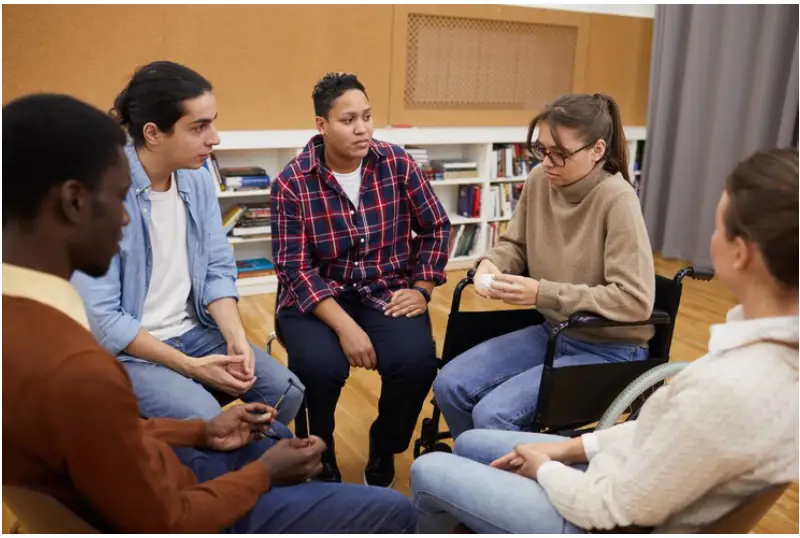
Is your child or teenager struggling with mental health challenges? Do they feel alone, misunderstood, or find it hard to connect with traditional forms of support? Many young people today face unique pressures, from social media to academic stress. They often need a type of help that truly understands their world.
There’s a powerful approach growing in recognition: peer support from people with lived experience. This means getting guidance and understanding from individuals who have walked a similar path. They’ve faced mental health challenges themselves and have found ways to manage them. This shared journey creates a special bond. It offers a unique sense of connection and hope.
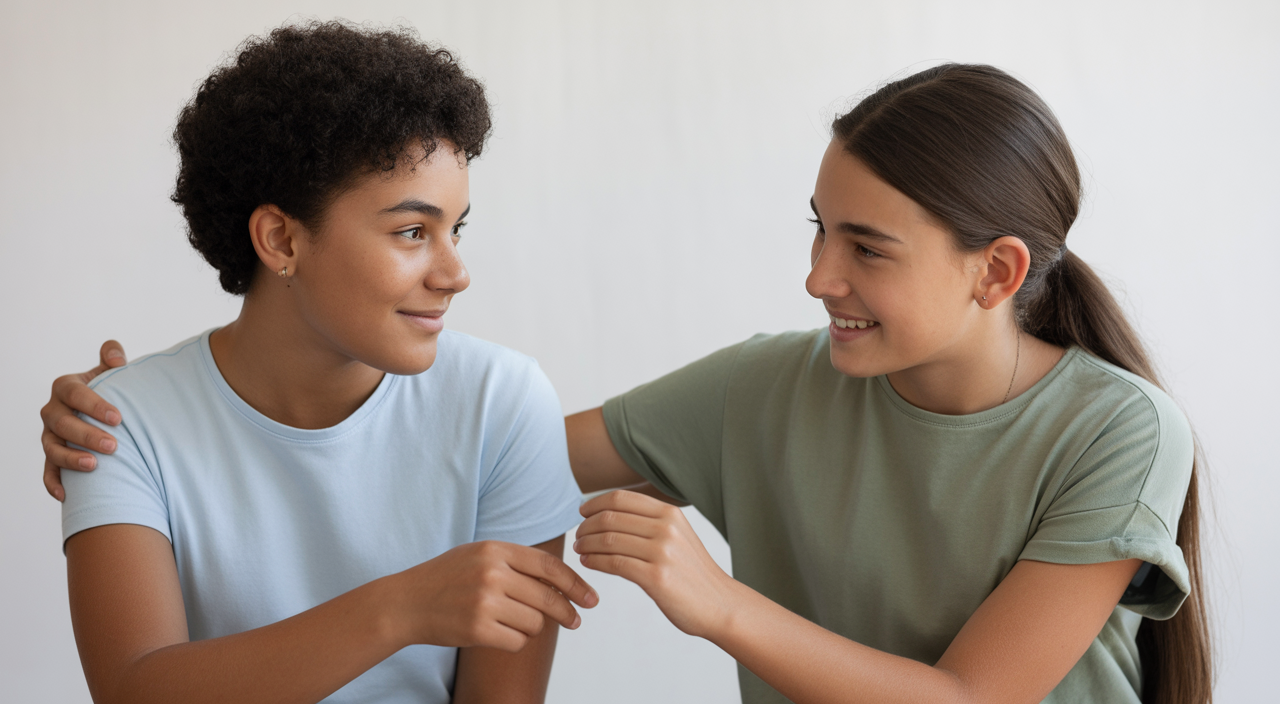
Here at MountBH, we offer this valuable support through accessible telehealth services. We connect youth aged 9-21 across all five NYC boroughs – Brooklyn, Manhattan, Queens, The Bronx, and Staten Island – with trained peer supporters. Our goal is to provide relatable help right where you are.
What Exactly is Peer Support, and Why Does “Lived Experience” Matter for Youth?
Defining Peer Support: More Than Just Talking
Peer support is a helping relationship. It’s built on trust and mutual respect. It connects someone facing a challenge with another person who has personal experience with similar issues. This isn’t therapy in the traditional sense. Instead, it’s a partnership where both individuals share and learn from each other.
Peer supporters share their personal stories of recovery. They offer insights and strategies that have worked for them. This creates an environment of empathy and understanding. It moves beyond clinical advice to real-world wisdom.
The Power of “Lived Experience” for Ages 9-21
For children and adolescents, “lived experience” is incredibly powerful. Young people often feel isolated when going through tough times. They might think no one truly understands what they’re feeling.
When a peer supporter shares their own story, it instantly creates a shared experience. This common ground helps young people feel less alone. It builds trust much faster than a typical adult-child dynamic. The supporter becomes a role model. They show that recovery is possible.
This relatable guidance offers practical, real-world coping strategies. It comes from someone who has “been there.” They can talk about managing school stress, social anxiety, or identity struggles in a way that truly resonates. It provides tangible hope and inspiration for the future.
Benefits of Peer Support for Children & Adolescents (Ages 9-21)
Fostering Connection and Reducing Stigma
Mental health struggles often come with a heavy burden of stigma. Young people may fear judgment from friends, family, or even professionals. Peer support helps break down these barriers.
It creates a safe, non-judgmental space. Here, youth can openly discuss sensitive topics. This process normalizes mental health challenges. It shows them they are not defined by their struggles.
Building Coping Skills and Resilience
Peer supporters offer practical advice. They share what strategies helped them navigate difficult situations. This is learning from real-life experience, not just theoretical concepts. Young people develop stronger coping skills.
They also learn self-advocacy. This means speaking up for their needs and making informed choices about their wellness. It builds significant resilience, preparing them for future challenges.
Enhancing Self-Esteem and Identity Development
Feeling truly heard and understood can dramatically boost a young person’s self-esteem. Peer support helps youth recognize their own strengths. They learn that their experiences, even difficult ones, can be a source of wisdom.
This process supports healthy identity development. It empowers them to embrace who they are. They can see themselves as more than their mental health challenges.
Complementing, Not Replacing, Traditional Therapy
It’s important to know that peer support works alongside other treatments. It’s not a replacement for traditional therapy or medical care. Instead, it offers a powerful complement. It adds another layer of understanding and connection to a young person’s overall wellness journey. It supports a holistic approach to care.
Telehealth Peer Support: Accessible for All 5 NYC Boroughs
Convenience and Flexibility for Busy Families
Life in New York City is fast-paced. Between school, work, and family commitments, finding time for appointments can be tough. Telehealth peer support removes this barrier. Your child can connect with a peer supporter from the comfort and privacy of your home.
There’s no travel time. Appointments can fit more easily into busy school schedules and extracurricular activities. This flexibility makes consistent support much more achievable for young people and their families.
Breaking Down Geographical Barriers in NYC
One of the biggest advantages of telehealth is its reach. MountBH proudly offers its specialized telehealth services to residents across all five boroughs of New York City. Whether you are in Brooklyn, Manhattan, Queens, The Bronx, or Staten Island, quality peer support is available to you.
This expanded access means you don’t have to worry about finding a local center. You can receive consistent, compassionate support regardless of your exact location in the city.
Ensuring Safety and Privacy in Online Peer Support
We understand that safety and privacy are top concerns for parents. MountBH is committed to providing a secure and confidential online environment. We use platforms that protect sensitive information. Our programs operate with professional oversight to ensure ethical and safe practices.
Our goal is to build trust through transparent and responsible care. We prioritize the well-being of every young person in our programs. This approach emphasizes our commitment to high quality and safety standards.
MountBH’s Approach to Peer Support with Lived Experience for Youth (9-21)
Our Trained Peer Support Specialists
At MountBH, our peer supporters are not just individuals with personal experience. They are highly trained professionals. They undergo rigorous training that covers ethical guidelines, communication skills, and how to effectively share their stories. Each specialist understands the unique needs of children and adolescents.
Our team works under professional supervision. This ensures the highest standards of care. Our peer support from people with lived experience offers both empathy and expertise.
Tailored Programs for Diverse Youth Needs
We understand that a 9-year-old has different needs than a 20-year-old. Our programs are carefully adapted for different age groups. We offer specific support for younger children (9-12) and older adolescents (13-21).
Our programs address a wide range of issues. These include anxiety, depression, social challenges, identity exploration, and navigating family changes. We focus on individual needs to provide the most effective support. Learn more about managing depression strategies for living a healthy life, which often complements peer support.
A Safe and Supportive Online Environment
We are dedicated to creating a nurturing online space. Our platforms are user-friendly and secure. We ensure that every interaction is respectful and constructive. We uphold strong privacy policies and confidentiality. This allows young people to feel comfortable and open up. We are focused on positive outcomes and building lasting connections. Sometimes, additional support is needed. Explore resources on how to find the right addiction recovery center for you, if that becomes a necessary step for comprehensive care.
Is Peer Support from Lived Experience Right for Your Child?
Signs Your Child or Teen Could Benefit
Consider peer support if your child:
- Feels isolated or struggles to connect with others.
- Is hesitant about traditional therapy.
- Is going through a tough time and needs someone who “gets it.”
- Could benefit from practical advice on coping and resilience.
- Needs a positive role model who has successfully navigated similar challenges.
What Parents Should Consider
Many parents wonder about the role of peer support. It is not a substitute for clinical therapy when that is needed. Instead, it works as a valuable addition to your child’s care plan. Our peer supporters are rigorously trained and supervised.
At MountBH, we ensure high standards of care and ethical practice. Our programs prioritize the safety and well-being of every young person. We provide a supportive and understanding environment.
Conclusion
In a world where children and teens face increasing pressures, meaningful support is vital. Peer support from people with lived experience offers a unique, empathetic, and relatable path to wellness. It empowers young people to find their voice, build resilience, and discover that they are truly not alone.
MountBH is committed to bringing this impactful support directly to families. Our telehealth services make it easy for youth aged 9-21 across all five NYC boroughs to access the help they deserve. We provide a safe, professionally supervised, and understanding environment.
Ready to explore how MountBH’s compassionate peer support program can benefit your child or teen? Learn more about our specialized peer support from people with lived experience here.
Frequently Asked Questions
Q: How is peer support different from traditional therapy?
A: Traditional therapy is often led by a licensed mental health professional who offers clinical diagnosis and treatment. Peer support, however, is provided by individuals who have their own personal experience with mental health challenges. They share their journey and coping strategies in a non-clinical, empathetic way. It focuses on mutual learning, shared understanding, and building a sense of community. Peer support can work wonderfully alongside professional therapy.
Q: Are MountBH’s peer supporters truly qualified to help my child?
A: Yes, absolutely. Our peer supporters undergo extensive training. This training covers ethical guidelines, effective communication, and how to create a supportive environment. They are also supervised by experienced professionals. This ensures that while they share their personal insights, they do so within a structured and safe framework. Our focus is always on the well-being and positive development of your child.

Kelly Manuel is a writer and illustrator who has been published in many books for children. Her favorite things to do are read, draw, and play with her dog. Kelly Manuel was born on October 18th, 1985. She grew up as an only child but she always had lots of dogs around the house because her parents were both veterinarians. She loved reading from a very young age and would often make up stories about the dogs that came into the clinic where she lived with her parents.