When purchasing Pokémon booster packs, it’s crucial to choose platforms that specialize in trading cards. These platforms offer a broad selection of booster packs, ensuring authenticity and quality. Whether you’re looking for the latest set or rare, vintage packs, specialized websites make it easy to find what you’re after.
Top Online Stores For Pokémon Card Collectors
Online stores that cater specifically to pokemon booster packs collectors are excellent for buying Pokémon booster packs. These stores often provide a wide range of selections, from popular sets to limited editions. Shopping at these places ensures you’re dealing with trustworthy vendors who understand the needs of Pokémon card enthusiasts.
Advantages Of Buying Pokémon Booster Packs From Authorized Dealers
Authorized dealers are trusted sources for Pokémon booster packs. Buying from them ensures you’re getting sealed, authentic products, often directly from the manufacturer. These dealers follow industry standards, providing customers with the latest cards while protecting them from counterfeit products.
Reliable Sellers For Pokémon Booster Packs Online
To ensure you’re purchasing authentic Pokémon booster packs, it’s vital to shop from reliable sellers. Reputable sellers have good feedback from past customers and offer guarantees on the authenticity of their products. Always check reviews and ratings before committing to a purchase to ensure you’re getting the best deal.
Safe And Secure Methods For Buying Pokémon Booster Packs
Security should always be a priority when purchasing Pokémon booster packs online. Look for sellers who offer secure payment options, such as encrypted payment methods, and clear return policies. This ensures that your purchases are protected and you’re less likely to face issues with the products received.
How To Verify The Authenticity Of Pokémon Booster Packs?
Before purchasing any Pokémon booster packs, it’s essential to verify their authenticity. Genuine packs typically come with official seals and certification. Be cautious of sellers who lack transparent product information and guarantee returns, as these are indicators of potential issues with authenticity.
Shopping For Pokémon Booster Packs From Trusted Vendors
Choosing trusted vendors for your Pokémon booster pack purchases ensures you’re buying high-quality, genuine products. Trusted vendors often have established reputations in the community, offering reliable customer service, fast shipping, and secure transactions, making them your go-to for booster packs.
Benefits Of Specialized Pokémon Card Stores For Your Collection
Specialized Pokémon stores cater exclusively to collectors, offering exclusive and rare items not easily found elsewhere. These stores provide a personal experience and usually have better customer support for dealing with any issues. For serious collectors, specialized stores are often the best option for acquiring rare booster packs.
Competitive Pricing For Pokémon Booster Packs
Price comparisons between different sellers can help you find the best deal on Pokémon booster packs. While it’s essential to prioritize authenticity, looking for promotions or discounts can help you save money. Be sure to compare not just prices, but also shipping costs to ensure the overall deal is worthwhile.
Exclusive Offers For Pokémon Booster Packs
Many sellers run limited-time promotions or exclusive offers for Pokémon booster packs. Taking advantage of these offers can give you access to rare packs ordiscounts on popular sets. Keep an eye on sales, especially during special events like Pokémon anniversaries or seasonal sales, for the best opportunities.
Conclusion
When buying Pokémon booster packs, it’s important to prioritize authenticity, secure transactions, and reliable sellers. By shopping at trusted platforms and verifying the authenticity of the products, you can avoid counterfeit items and ensure you’re getting the best value for your money. Remember to compare prices, consider shipping costs, and take advantage of exclusive offers to make the most out of your Pokémon collecting experience.
Introducing Calvin Parker, a wordsmith residing in the ever-evolving landscapes of the United States. Amidst the flux of cities, Calvin crafts compelling narratives that transcend boundaries. With a penchant for storytelling, Calvin is not only an accomplished author but also a contributor to magazines and news channels, weaving tales that captivate audiences across the diverse tapestry of American locales.
Turkey’s booming medical tourism has brought a surge of international patients, allowing clinics to lower prices through economies of scale. High volume procedures mean clinics can operate efficiently while still offering competitive packages. This consistent flow of global demand has made top-quality hair transplants far more affordable in Turkey today.
Exchange Rate Gives You More For Less
The strength of foreign currencies like the Euro, Pound, and Dollar against the Turkish Lira gives international patients a powerful advantage. You end up getting premium healthcare services at a fraction of Western prices. This financial gap makes Hair Transplant in Turkey a budget-friendly destination without compromising on modern equipment or skilled surgeons.
Local Labor Costs Are Surprisingly Low
While the expertise is world-class, labor costs in Turkey remain relatively low compared to Europe or North America. From medical assistants to clinic staff and post-op caretakers, the entire workforce operates on modest wages — which directly translates to affordable patient pricing without compromising on service quality.
Government Support Helps Clinics Compete Globally
The Turkish government actively supports the healthcare tourism industry with subsidies, marketing initiatives, and streamlined regulations. These initiatives reduce operating costs for clinics and help them compete globally. This backing has played a major role in making top-tier cosmetic procedures financially accessible to both locals and foreigners.
Advanced Clinics Keep Equipment Costs Down
Clinics in Turkey invest in top-tier technology but spread the cost across hundreds of patients each month. Bulk purchases and streamlined procedures reduce overall expenditure, allowing them to pass on the savings. This access to modern tools and methods at reduced rates is another reason for affordability.
All-Inclusive Packages Create Better Value
Most Turkish clinics offer all-in-one packages that include accommodation, airport transfers, consultations, and post-op care. By bundling services, they reduce overall overhead and deliver greater value. Patients appreciate the transparency and peace of mind, knowing they’re paying one clear price without hidden or unexpected charges.
Skilled Surgeons Operate Independently
Many top Turkish hair transplant surgeons operate their own private clinics instead of working for large hospital groups. Without the overhead of big institutions, they can set fairer prices. Their experience and independence allow them to focus on results, reputation, and patient satisfaction — not just corporate profit margins.
High Patient Volume Keeps Prices Stable
Turkey performs thousands of hair transplants every year, and this consistent demand enables clinics to maintain affordable, flat-rate pricing. High patient turnover allows even luxury clinics to offer services at rates that seem impossible elsewhere — while maintaining hygiene, hospitality, and excellent surgical outcomes.
Lower Insurance And Legal Overheads
In Turkey, the medical legal system and insurance requirements are less expensive than in countries like the US or UK. Clinics face fewer liability costs and insurance premiums, which keeps treatment prices down. This is a significant, often overlooked reason for Turkey’s competitive pricing structure.
Cost Does Not Equal Low Quality Anymore
Affordable doesn’t mean cheap when it comes to Turkey’s hair transplants. The country’s clinics have proven time and again that low prices can still deliver incredible quality. Reviews, patient results, and repeat visitors confirm that Turkey’s affordability has nothing to do with cutting corners and everything to do with smart business models.
Conclusion
Turkey’s position as a global hub for hair transplants isn’t just due to affordability. It’s about value, expertise, and convenience. From favorable currency exchange to high surgeon skill and bundled services, it’s the perfect storm for patients looking to restore confidence without draining their savings. The quality truly matches the price.
Kelly Manuel is a writer and illustrator who has been published in many books for children. Her favorite things to do are read, draw, and play with her dog. Kelly Manuel was born on October 18th, 1985. She grew up as an only child but she always had lots of dogs around the house because her parents were both veterinarians. She loved reading from a very young age and would often make up stories about the dogs that came into the clinic where she lived with her parents.
When it comes to maintaining your vehicle, finding a reliable auto repair shop is crucial. In California, the auto repair industry is vast and diverse, offering a wide range of services to meet the needs of car owners. Whether you are a resident or just passing through, understanding what you can expect from auto repair in California can save you time, money, and stress. In this article, we will explore the key aspects of auto repair in the Golden State, including the types of services available, the quality of service, and tips for choosing the right repair shop.
Types Of Services Available
Auto repair in California encompasses a broad spectrum of services, catering to various vehicle makes and models. Here are some of the most common services you can expect:
1. Routine Maintenance
Routine maintenance is essential to keep your vehicle running smoothly and to prevent costly repairs down the line. Common maintenance services include:
Oil Changes: Regular oil changes are crucial for engine health. Most shops recommend changing the oil every 3,000 to 5,000 miles.
Tire Rotation and Balancing: Ensuring your tires wear evenly can extend their lifespan and improve your vehicle’s handling.
Brake Inspections and Repairs: Regular brake inspections can identify issues before they become serious, ensuring your safety on the road.
Fluid Checks and Top-Ups: Keeping fluids like coolant, transmission fluid, and brake fluid at optimal levels is vital for your vehicle’s performance.
2. Diagnostic Services
Modern vehicles are equipped with complex computer systems that require specialized diagnostic tools to identify issues. Auto repair shops in California offer diagnostic services to pinpoint problems accurately. These services include:
Check Engine Light Diagnostics: When your check engine light comes on, a diagnostic test can determine the cause.
Electrical System Diagnostics: Issues with your vehicle’s electrical system can be challenging to diagnose without the right equipment.
Emission Testing: California has strict emission standards, and many repair shops offer testing and repairs to ensure your vehicle complies.
3. Major Repairs
Sometimes, your vehicle may require more extensive repairs. California auto repair shops are equipped to handle major repairs, such as:
Engine Repairs and Rebuilds: From minor engine repairs to complete rebuilds, skilled technicians can address a wide range of engine issues.
Transmission Repairs: Transmission problems can be complex and costly, but experienced mechanics can diagnose and repair these issues effectively.
Suspension and Steering Repairs: Ensuring your suspension and steering systems are in good condition is essential for a smooth and safe ride.
4. Specialty Services
California is home to a diverse population of car enthusiasts, and many repair shops offer specialty services to cater to unique needs. These services may include:
Performance Upgrades: Whether you want to boost your vehicle’s horsepower or improve its handling, performance upgrades are available.
Classic Car Restoration: For vintage car owners, finding a shop that specializes in classic car restoration can be a dream come true.
Custom Fabrication: If you have specific modifications in mind, custom fabrication services can bring your vision to life.
Quality Of Service
The quality of service you can expect from auto repair in California varies widely, but several factors contribute to a positive experience:
1. Skilled Technicians
California is home to many highly skilled and certified technicians. Look for shops that employ ASE (Automotive Service Excellence) certified mechanics, as this certification indicates a high level of expertise and professionalism.
2. State-of-the-Art Equipment
Reputable auto repair shops invest in the latest diagnostic and repair equipment. This ensures that they can accurately diagnose and efficiently repair your vehicle, saving you time and money.
3. Customer Service
Excellent customer service is a hallmark of a good auto repair shop. Friendly and knowledgeable staff should be able to answer your questions, provide clear explanations of the work needed, and offer transparent pricing.
4. Warranty and Guarantees
Many auto repair shops in California offer warranties and guarantees on their work. This provides peace of mind, knowing that if something goes wrong after the repair, you are covered.
Tips For Choosing The Right Auto Repair Shop
With so many options available, choosing the right auto repair shop in California can be daunting. Here are some tips to help you make an informed decision:
1. Do Your Research
Start by researching local auto repair shops. Read online reviews, check their ratings with the Better Business Bureau, and ask for recommendations from friends and family.
2. Ask Questions
When you visit a repair shop, don’t be afraid to ask questions. Inquire about the technicians’ certifications, the types of equipment they use, and the warranties they offer.
3. Get Multiple Estimates
For major repairs, it’s a good idea to get estimates from multiple shops. This allows you to compare prices and services to ensure you are getting the best value for your money.
4. Check for Certifications
Look for shops that are certified by organizations like ASE or AAA. These certifications indicate a commitment to quality and professionalism.
5. Trust Your Instincts
Finally, trust your instincts. If something doesn’t feel right or if the staff is unprofessional, it’s best to look elsewhere.
Conclusion
Auto repair in California offers a wide range of services to meet the needs of all vehicle owners. From routine maintenance to major repairs and specialty services, you can expect skilled technicians, state-of-the-art equipment, and excellent customer service. By doing your research and asking the right questions, you can find a reliable auto repair shop that will keep your vehicle running smoothly for years to come. Whether you’re a resident or just passing through, knowing what to expect from auto repair in California can make all the difference in your automotive experience.
Introducing Calvin Parker, a wordsmith residing in the ever-evolving landscapes of the United States. Amidst the flux of cities, Calvin crafts compelling narratives that transcend boundaries. With a penchant for storytelling, Calvin is not only an accomplished author but also a contributor to magazines and news channels, weaving tales that captivate audiences across the diverse tapestry of American locales.
Planning a family getaway can be a daunting task, especially when searching for the perfect accommodation that caters to both adults and children. California cabin rentals offer an ideal retreat for families looking to explore nature, enjoy outdoor activities, and relax in a cozy environment. However, not all cabins are created equal when it comes to kid-friendly amenities and safety. Knowing what to look for in a family-oriented cabin rental can make all the difference in ensuring a stress-free and enjoyable experience. This guide will walk you through essential factors to consider when selecting the best California cabin rentals for your family vacation.
Location Matters: Choosing The Right Area In California
California boasts a diverse landscape, from serene mountain retreats to picturesque lakeside escapes and coastal hideaways. When selecting a family-friendly cabin rental, consider locations that provide easy access to attractions suitable for kids.
Lake Tahoe: Ideal for families who love water sports, hiking, and winter activities like skiing.
Big Bear Lake: A great choice for families looking for year-round adventure, from snow sports to summer lake fun.
Yosemite National Park: Perfect for nature-loving families who want to explore scenic landscapes and wildlife.
Shasta Cascade: A quieter destination with waterfalls, lakes, and hiking trails.
Santa Cruz Mountains: Offers a mix of forested retreats and proximity to beaches, boardwalks, and amusement parks.
Essential Amenities For A Kid-Friendly Cabin
To ensure a smooth and comfortable stay, look for California cabin rentals that offer the following amenities:
Check Reviews: Read past guest reviews to confirm the rental’s suitability for families.
Prepare for Weather: California’s climate varies, so pack accordingly.
Conclusion
Finding the perfect California Cabin Rentals for your family requires careful planning, but the effort is well worth it. By choosing the right location, ensuring kid-friendly amenities, and planning engaging activities, your family vacation can be a memorable and enjoyable experience. Whether you’re looking for a lakeside retreat, a mountain escape, or a cozy forest hideaway, California has an abundance of options to cater to every family’s needs. Start your search today and create unforgettable memories with your loved ones.
Introducing Calvin Parker, a wordsmith residing in the ever-evolving landscapes of the United States. Amidst the flux of cities, Calvin crafts compelling narratives that transcend boundaries. With a penchant for storytelling, Calvin is not only an accomplished author but also a contributor to magazines and news channels, weaving tales that captivate audiences across the diverse tapestry of American locales.
Lake dredging projects are essential for maintaining the health and sustainability of aquatic ecosystems. However, they also present a number of risks that must be carefully managed to ensure the safety of workers, the surrounding environment, and the local community. Whether you’re involved in the project as a contractor, project manager, or environmental consultant, understanding the safety measures to follow during a lake dredging project is crucial. A well-executed dredging operation can significantly improve water quality, create a safe habitat for aquatic species, and restore natural waterways—but only if safety protocols are rigorously adhered to. This guide will cover key safety measures when undertaking a lake dredge, from equipment handling to environmental precautions.
Proper Site Assessment And Planning
Before any lake dredge operation begins, a thorough site assessment is paramount. The planning stage is crucial for identifying potential risks and designing a safe dredging procedure. This includes analyzing the lake’s depth, sediment composition, water flow, and the surrounding infrastructure. A detailed risk assessment will help pinpoint any hazards that might arise during the operation, such as the presence of submerged obstacles, water contamination, or the impact on wildlife.
Key Steps in Site Assessment:
Hydrological Surveys: To understand the flow of water and any fluctuations that might occur during the dredging process.
Sediment Testing: To analyze the composition of lakebed materials to determine whether they contain hazardous substances, such as heavy metals or chemicals.
Wildlife Surveys: Identifying species that may be affected by the dredging process, including aquatic life and birds. This information helps in planning mitigation measures.
Safety Tip: Ensure the dredging site is clearly marked, and access is restricted to authorized personnel only to prevent accidental exposure to hazards.
Worker Safety Gear And Equipment
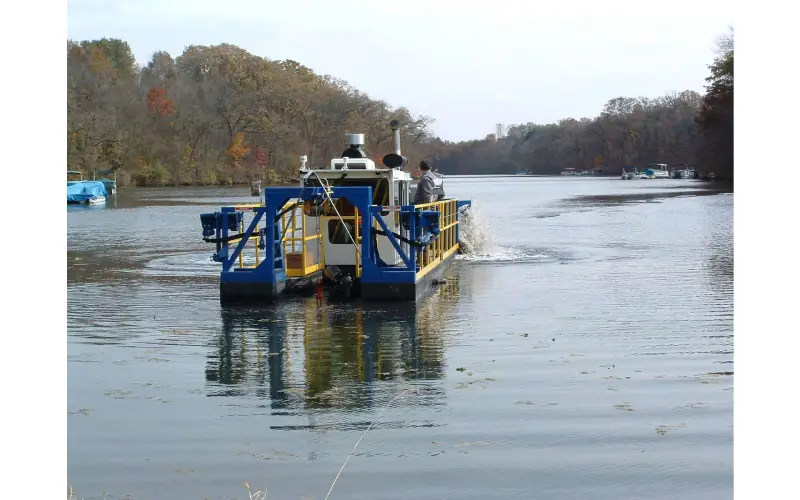
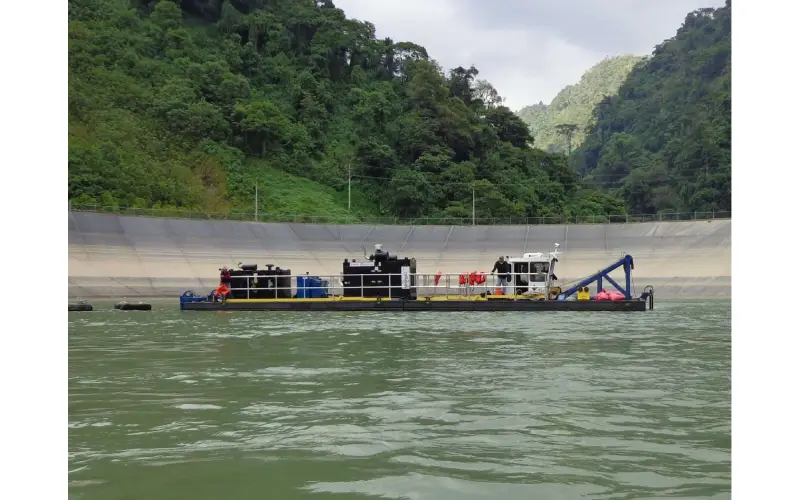
Dredging a lake requires the use of heavy machinery and equipment, such as dredges, cranes, barges, and pumps. The workers operating this equipment are exposed to a variety of risks, including mechanical hazards, drowning, and exposure to contaminants. Ensuring that workers are equipped with the proper safety gear is essential to mitigate these risks.
Safety Gear Includes:
Personal Flotation Devices (PFDs): All personnel working near or on the water should wear a PFD to reduce the risk of drowning in case of an accident.
Protective Clothing: Workers should be provided with waterproof and durable clothing to protect against debris, sharp objects, and toxic substances in the water.
Eye and Face Protection: Goggles or face shields are necessary when working around potentially hazardous materials or operating machinery that could generate debris.
Hearing Protection: Dredging operations are often noisy, and ear protection helps prevent hearing damage.
Key Equipment Safety Measures:
Regular Maintenance of Machinery: Dredging equipment should be regularly inspected and maintained to prevent mechanical failure, which can lead to accidents.
Operator Training: Operators should be trained in the proper use of machinery, including emergency shutdown procedures and safety measures in case of malfunctions.
Emergency Shutoff Systems: Machines should be equipped with easily accessible shutoff systems to halt operations in the event of a malfunction or emergency.
Environmental Considerations And Protection
During lake dredging, it is vital to minimize the environmental impact of the operation. Dredging can stir up contaminants from the lakebed, disturb aquatic habitats, and cause erosion. As part of safety measures, environmental protection strategies should be integrated into the dredging plan.
Key Environmental Safety Measures:
Sediment Containment: Dredging can release sediments into the water column, which may contain harmful contaminants. To mitigate this, the use of silt curtains or sediment containment systems is recommended to prevent the spread of pollutants.
Water Quality Monitoring: Regular water testing should be conducted to monitor changes in water quality, such as pH levels, turbidity, and chemical composition. This ensures that any hazardous substances released during dredging do not negatively impact aquatic life or water resources.
Erosion Control: Erosion control measures, such as planting vegetation along the shorelines or using erosion barriers, help stabilize the lakebed and prevent sediment runoff into surrounding areas.
Wildlife Protection: Consideration should be given to the habitats of endangered or sensitive species. Dredging operations should be scheduled to avoid disrupting the breeding cycles of fish and other aquatic species.
Safety Tip: Work with environmental consultants to develop a comprehensive Environmental Management Plan (EMP) that addresses the specific needs of the lake ecosystem.
Hazardous Material Management
One of the most critical safety concerns in lake dredging is the potential presence of hazardous materials within the sediment. Toxic substances, such as heavy metals (lead, mercury, arsenic), petroleum products, or even pharmaceuticals, may be present in contaminated sediments. If these materials are stirred up during dredging, they pose a serious risk to both human health and the environment.
Proper Hazardous Material Management Includes:
Hazardous Material Identification: Testing the dredged material for contaminants before disposal. This can include testing for industrial chemicals, heavy metals, and other pollutants.
Containment and Disposal: If hazardous materials are identified, they must be handled according to environmental regulations. This may involve storing them in sealed containers for safe disposal or transporting them to approved hazardous waste facilities.
Spill Response Plans: In the event of a spill, having an emergency response plan in place is essential. This includes having spill containment equipment, such as absorbent booms or pads, readily available.
Safety Tip: It is crucial to follow local and federal environmental guidelines for the handling and disposal of contaminated dredge materials to avoid fines and legal issues.
Safety Training And Emergency Procedures
Even with all the necessary equipment and planning, accidents can still happen. Having a comprehensive safety training program and emergency response plan is essential for managing these situations effectively.
Essential Components of Safety Training:
First Aid and CPR Certification: Ensure that all personnel involved in the dredging operation are trained in first aid and CPR. It is also beneficial to have trained medical personnel on-site for larger operations.
Emergency Evacuation Plans: Workers should be familiar with the evacuation routes in case of an emergency, such as a flood, fire, or equipment malfunction.
Hazard Communication: Ensure that all workers are informed of potential hazards on the site, such as the presence of toxic substances, and know how to respond if they encounter them.
Regular Drills: Conduct regular safety drills to practice emergency procedures, including rescue operations and evacuation.
Safety Tip: Keep communication devices, such as radios or cell phones, easily accessible to all workers in case of an emergency.
Ongoing Monitoring And Supervision
Throughout the dredging project, continuous monitoring is crucial to ensure that safety measures are being followed, and any issues are addressed promptly.
Key Monitoring and Supervision Aspects:
Site Inspections: Regular safety inspections should be conducted to identify any potential hazards that may arise as the dredging progresses.
Progress Reporting: Regular progress updates should be shared with stakeholders, including any incidents, safety concerns, or changes in environmental conditions.
Corrective Actions: If any safety issues are identified, corrective actions must be taken immediately. This could include adjusting equipment, changing work practices, or halting operations until the issue is resolved.
Safety Tip: Assign a dedicated safety officer or supervisor to oversee safety throughout the dredging project.
Conclusion
Lake dredging projects are complex operations that require careful planning, adherence to safety protocols, and constant vigilance to ensure the safety of workers and the environment. By implementing proper safety measures, from assessing the site to ensuring the safe operation of machinery and managing hazardous materials, a lake dredging project can be executed successfully with minimal risk. Whether you’re managing a small-scale project or a large-scale dredging operation, following these safety measures will help protect all involved and ensure the sustainable and safe restoration of lake ecosystems.
Introducing Calvin Parker, a wordsmith residing in the ever-evolving landscapes of the United States. Amidst the flux of cities, Calvin crafts compelling narratives that transcend boundaries. With a penchant for storytelling, Calvin is not only an accomplished author but also a contributor to magazines and news channels, weaving tales that captivate audiences across the diverse tapestry of American locales.