Author: Kelly Manuel

  • Understanding The Process Of Powder Manufacturer

    Understanding The Process Of Powder Manufacturer

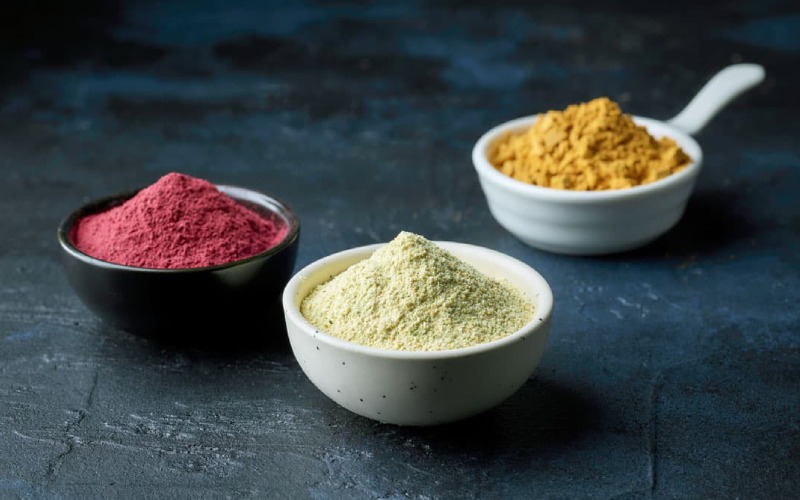
     Powder manufacturing is a complex process that involves multiple steps, from raw material sourcing to powder processing and packaging. It begins with the selection of the raw material, which is typically a powder or granular material, such as a mineral, a chemical, a spice, or a plant-based material. The raw material is then processed into a powder form, which can involve grinding, sieving, mixing, drying, granulating, and other methods. The powdered material is then tested for its quality and safety, and packaged for shipment to customers. Throughout the manufacturing process, quality assurance and control techniques are used to ensure that the powder meets all safety and quality requirements. Powder manufacturing is a critical process for many industries, and is used to create products for a variety of applications, from food and beverage to pharmaceuticals and industrial products.

    What Is Powder Manufacturing?

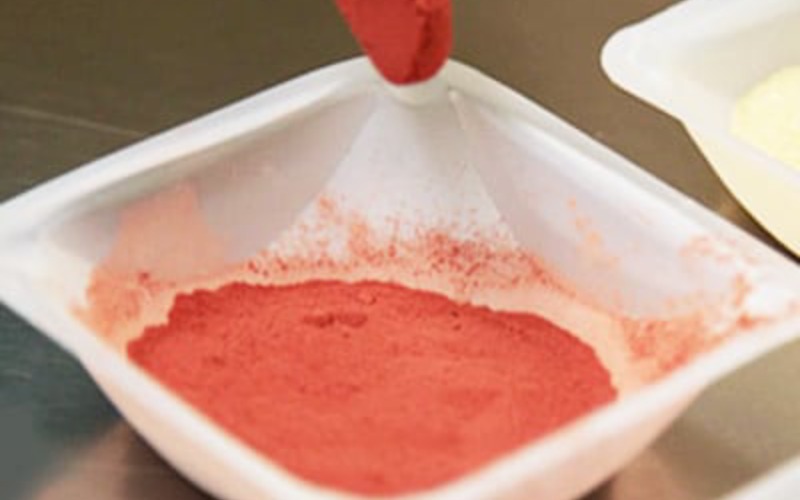
    Powder Manufacturer is the process of producing solid particles of a desired size and shape from a variety of raw materials. It involves the use of powerful grinding and milling machines to reduce the size of the raw material into very small particles. The powdered material is then tested for quality and screened for uniformity in size and shape. The powder can then be used for a variety of applications such as pharmaceuticals, cosmetics, food, and industrial applications. Powder manufacturing is a highly specialized process that requires both expertise and equipment to ensure the quality of the final product.
    powder manufacturer

    Why Is Powder Manufacturing Necessary?

    Powder manufacturing is necessary for many industries and processes, such as pharmaceuticals, cosmetics, food, beverages, and more. Powder manufacturing ensures that the ingredients used are of the highest quality and are properly mixed and blended. Furthermore, powder manufacturing can be used to develop new products and formulations or improve existing ones. Powder manufacturing can be used to create a variety of products, from dry ingredients to wet formulations. Moreover, this process can be used to create a homogeneous mixture of components and guarantee consistency in the finished product. Powder manufacturing is essential for producing high-quality, safe, and reliable products.

    How To Effectively Manufacture Powders?

    Manufacturing powders effectively requires a thorough understanding of the process and an experienced team of technicians. Firstly, the raw materials must be weighed and blended together as per the desired composition. Then, the blended raw materials must be dried to the desired moisture level. Finally, the dry powder should be milled to the desired particle size. This process should be regularly monitored and adjusted as needed to ensure consistent high-quality results. The powder should also be tested for homogeneity and particle size distribution. Additionally, proper storage and handling of the powder should be taken into consideration to ensure that the powder maintains its quality.

    Tips For Achieving Quality Powder Production

    In order to achieve quality powder production, the following tips should be followed: firstly, raw materials should be carefully selected and inspected to ensure they are of the highest quality. Secondly, the machinery used in the production process should be regularly maintained and calibrated to ensure maximum efficiency. Thirdly, the powder should be accurately weighed and measured to ensure the correct proportions are used in the production process. Lastly, the powder should be tested for quality assurance before being sent out for sale or use. Following these tips will help to ensure quality powder production every time.

    Types Of Powder Manufacturing Processes

    Powder manufacturing processes are used to produce a wide variety of materials in powder form. The most common types of powder manufacturing processes are atomization, spray drying, cryogenic grinding, jet milling, and pelletizing. Atomization involves breaking down a liquid material into small droplets, which are then solidified into powder form. Spray drying is a process that uses hot air to evaporate the liquid from the powder particles. Cryogenic grinding uses liquid nitrogen to freeze a material before it is ground into a powder. Jet milling involves grinding powder particles into a fine powder using a jet of air. Finally, pelletizing is a process that involves pressing a powder into small pellets, which can then be used as a raw material in powder manufacturing processes.

    Benefits Of Powder Manufacturing

    Powder manufacturer is a cost-effective and efficient process that offers numerous advantages over traditional manufacturing. It is much faster and more efficient than other traditional manufacturing processes, which leads to lower production costs. Powder manufacturing also reduces the risk of imperfect parts and minimizes material waste. Moreover, powder manufacturing is also flexible, allowing for the production of complex shapes and sizes with minimal effort. Additionally, parts produced through powder manufacturing are often of a higher quality than those produced through other processes. This makes them more durable and less prone to breakage. Finally, powder manufacturing is also an environmentally friendly process, as it does not require large amounts of energy and resources.

    Conclusion 

    Powder manufacturer is the process of converting raw materials into powder form. It involves mixing and grinding the raw materials to a uniform size, followed by sieving, blending, and packaging. The process is used to produce a wide range of materials, including pharmaceutical, food, cosmetic, and paint products. It is important to understand the process of powder manufacturer to ensure the quality and consistency of the final product. The process requires careful design and control of the raw materials and the equipment used to produce the powder. It is also important to understand the different types of powders, their properties, and how to use them correctly. All of these factors are essential to ensure that the powder is of the highest quality and meets all industry standards.

  • How Can Cloud Hr Systems Make Your Organization Efficient?

    How Can Cloud Hr Systems Make Your Organization Efficient?

    Cloud HR systems can significantly improve efficiency within an organization. They streamline processes, reduce paperwork, and provide real-time access to employee data. By automating mundane tasks such as payroll calculations, scheduling, and attendance tracking, cloud HR systems free up HR staff to focus on more important tasks. Additionally, cloud HR systems provide a secure, centralized platform for employees to access important documents, such as contracts, policies, and job descriptions. With cloud HR systems, it’s easy to access and update employee records, and quickly track performance and compensation. Furthermore, cloud HR systems enable organizations to easily track employee engagement, feedback, and communication. By providing a comprehensive view of their workforce, cloud HR systems can help organizations maximize their productivity.

    Introducing The Benefits Of Cloud Hr Systems For Organizational Efficiency 

    Cloud HR systems are increasingly becoming an essential part of modern workplace operations. By enabling organizations to streamline their HR processes and enable better employee collaboration, cloud HR systems are helping organizations to become more efficient. They provide organizations with access to real-time data and insights, enabling them to make better decisions and optimize processes. Cloud hr systems UK is a great way for businesses to manage their workloads and keep track of employee performance. 

    Additionally, cloud HR systems offer organizations the flexibility to scale their operations and manage employee data more effectively. By automating manual processes, HR systems can help organizations to reduce costs and improve their bottom line. Moreover, HR systems enable organizations to provide better communication and collaboration between employees, allowing them to work together more efficiently. All in all, HR systems provide organizations with a variety of benefits that can help them to achieve greater organizational efficiency.

    cloud hr systems

    Utilizing Cloud Hr Systems To Streamline Employee Data Management 

    Cloud HR systems provide a streamlined and efficient way to manage employee data. They enable businesses to save time and money by automating processes such as onboarding, payroll, performance reviews, and attendance tracking. With HR systems, employers can easily access and update employee information, create reports, and ensure compliance with laws and regulations. Cloud systems can also be integrated with other business applications, providing a single source of truth for employee data. Additionally, HR systems make it easier for employers to track employee performance, recognize employee accomplishments, and make informed decisions about staffing and budgeting. By utilizing, HR systems, businesses can improve their data management and ensure their employees are receiving the best possible onboarding and employment experience.

    Strengthening Employee Engagement With Cloud Hr Systems 

    Cloud HR systems give organizations the opportunity to improve employee engagement and satisfaction. By using HR, employers can streamline their processes and make it easier for employees to access their HR information. This helps to create an environment where employees feel their voices are heard and their needs are met. Additionally, HR systems allow for more frequent and direct communication between management and employees. This can help to increase employee engagement and morale, as well as help to build trust between the two parties. Finally, HR systems give employers the opportunity to track and analyze employee performance, enabling them to make more informed decisions and provide feedback. All of these features of HR systems can help to improve employee engagement and satisfaction.

    Enhancing Recruitment And Onboarding With Cloud Hr Systems 

    Cloud HR systems can greatly improve recruitment and onboarding processes. These systems allow employers to easily manage the entire hiring process online. They enable employers to post job descriptions, accept and review resumes, schedule interviews, and track applicant progress in real-time. By streamlining the recruitment and onboarding process, employers can save time, money, and resources. Additionally, HR systems give employers access to a larger pool of potential candidates, as job postings can be quickly and easily shared across multiple channels. HR systems also provide a secure and efficient platform for onboarding new employees. Employers can create and distribute onboarding documents, such as job descriptions, employee handbooks, and training materials, in just a few clicks. HR systems can also be used to automate the onboarding process, enabling employers to quickly and easily onboard new employees.

    Automating Hr Processes And Procedures With Hr Systems

    Cloud HR systems provide businesses with the ability to automate HR processes and procedures. With cloud-based solutions, businesses are able to streamline key HR functions, such as onboarding, payroll, attendance tracking, and performance management. By automating these processes, businesses can save time and money while still providing a high level of service to employees. Additionally, HR systems provide a centralized platform for organizations to store, track, and manage employee data. This helps organizations quickly access important employee information and better manage their workforce. HR systems also provide a secure environment for businesses to store and share employee data, ensuring that confidential information is kept safe. HR systems are an efficient and cost-effective way for businesses to manage their HR operations. 

    Enhancing Performance Management And Goal Tracking With Cloud Hr Systems 

    Cloud HR systems are revolutionizing the way organizations manage their performance and track goals. By leveraging the power of cloud technology, businesses can now track employee performance in real time, enabling them to identify areas of improvement and make decisions that are more informed. Additionally,  HR systems provide access to instant, up-to-date data that can be used to measure progress and identify areas of growth. With the ability to easily track, adjust and report on goals, performance management, and goal tracking have become more efficient and effective. By having the ability to view data in real time, businesses can quickly identify potential issues and address them right away, improving overall performance and productivity.

    Conclusion

    Cloud HR systems offer a wealth of benefits to an organization, from improved efficiency to cost savings. By streamlining processes, HR systems can help organizations manage their workforce more effectively and efficiently. Additionally, HR systems can provide valuable insights into an organization’s workforce, helping to identify areas for improvement. Finally, HR systems can help to reduce the amount of paperwork and manual processes associated with managing an organization’s human resources, resulting in considerable cost savings. Ultimately, HR systems can make an organization more efficient by helping to streamline processes, improve insights, and reduce costs.

  • How To Make Keto Pan Dulce For A Delicious Low-Carb Treat?

    How To Make Keto Pan Dulce For A Delicious Low-Carb Treat?

    Making keto pan dulce is easy and delicious. Start by combining almond flour, coconut flour, salt, and baking soda in a bowl. Mix the dry ingredients and set aside. In a separate bowl, mix melted butter, eggs, and sweetener. Combine the wet and dry ingredients until the dough is soft and pliable. Roll the dough out on a floured surface and cut it into desired shapes. Preheat the oven to 350°F and bake the pan dulce for 15-20 minutes or until golden brown. Enjoy your delicious, low-carb keto pan dulce.

    What Is Keto Pan Dulce And What Makes It Low-Carb?

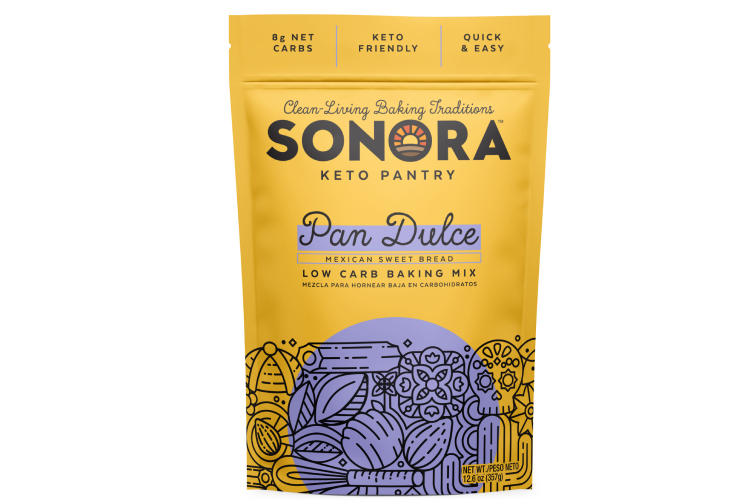
    Keto Pan Dulce is a low-carb version of traditional Mexican sweet bread. It is made with almond and coconut flour, which are much lower in carbohydrates than all-purpose flour. This makes it a great choice for those who are following a ketogenic diet. The addition of sweeteners like stevia and erythritol helps to keep the carb count low and give it a sweet flavor. Other ingredients include eggs, butter, and baking powder. Keto Pan Dulce is a delicious and nutritious way to indulge in a Mexican treat without guilt.

    keto pan dulce

    Shopping List Of Essential Ingredients For Keto Pan Dulce

    Creating a keto version of traditional pan dulce is a great way to enjoy a classic Mexican treat while still following a low-carb diet. To make the perfect keto pan dulce, you’ll need to stock up on some essential ingredients. Start with almond flour, erythritol, coconut flour, and baking powder. For fats, you’ll need butter, coconut oil, and heavy cream. To enhance the flavor, you’ll also need a vanilla extract, almond extract, and ground cinnamon. Finally, you’ll need some sugar-free dark chocolate chips to top off the pan dulce. With all of these ingredients, you’ll have everything you need to whip up some delicious keto pan dulce.

    Preparing The Low-Carb Keto Pan Dulce Dough

    Making a low-carb Keto Pan Dulce dough is easy and rewarding. First, mix almond flour, coconut flour, baking powder, and salt in a large bowl. Then, add melted butter, liquid sweetener, and vanilla extract and combine everything until it forms a dough. If the dough is too dry, add a teaspoon of water until it reaches a workable consistency. Finally, roll the dough out between two pieces of parchment paper until it is a quarter of an inch thick. Now you’re ready to bake your Pan Dulce.

    Rolling And Cutting The Keto Pan Dulce Dough

    Rolling out the keto dulce dough is the first step to creating traditional Mexican sweet bread. With a lightly floured surface and rolling pin, the dough is rolled into a thin, even sheet. The sheet is then cut into desired shapes with a knife. This can be done by cutting the sheet into diamond shapes, squares, or circles. For added decoration, cookie cutters can be used to cut out shapes such as hearts or stars. Once the desired shapes are cut out, the keto dulce is ready to bake and be enjoyed.

    Baking The Keto Pan Dulce

    Baking the Keto Dulce is a fun and easy way to enjoy a low-carb, keto-friendly snack. This delicious sweet bread is made with almond flour and a few other simple ingredients. It has the same texture and flavor as traditional pan dulce, but without the high carb content. To make it, start by combining almond flour, baking powder, baking soda, and salt in a bowl. In a separate bowl, beat the egg whites until they form stiff peaks. Add the egg whites to the dry ingredients and mix until it forms a dough. Grease a baking sheet with butter or oil and then spread the dough evenly in the pan. Bake at 350°F for 15-20 minutes or until golden brown. Let cool before serving and enjoy.

    Decorating The Keto Dulce For A Fun And Sweet Treat

    Decorating the keto dulce is a fun and easy way to enjoy a sweet treat. With a few simple ingredients, you can whip up a delicious pan dulce that is sure to satisfy any sweet tooth. Start by preheating the oven to 350°F. Combine almond flour, baking powder, and salt in a bowl and mix. In a separate bowl, whisk together the eggs, melted butter, and vanilla extract. Combine the wet and dry ingredients, stirring until the batter is smooth. Spread the batter into a greased baking pan and bake for 20-25 minutes. Once the pan dulce has cooled, it’s time to get creative! Top the pan dulce with your favorite keto-friendly decorations. Enjoy a sweet and guilt-free treat.

    Conclusion

    Keto Dulce is a delicious, sugar-free treat that can be enjoyed on the keto diet. It is a great way to satisfy sweet cravings without derailing your diet. The recipe is simple to make and only requires a few ingredients. It is a great way to make a low-carb treat that tastes like the real thing. Keto Dulce is a great alternative to the traditional Pan Dulce and can be enjoyed by anyone trying to stay in ketosis. With its delicious flavor and low-carb content, Keto Dulce is a delicious, guilt-free treat.

  • How To Choose The Right Harmonica Neck Holder For You?

    How To Choose The Right Harmonica Neck Holder For You?

    Choosing the right harmonica neck holder can be a daunting task. It is important to consider your individual needs and select a holder that fits your style. First, consider the type of harmonica you will be playing. Is it a diatonic harmonica, chromatic harmonica, or tremolo harmonica? Different types of harmonicas require different neck holders. Second, think about your playing style. Do you prefer a hands-free approach or do you prefer to hold the harmonica with your hands? Lastly, consider the size of the holder. Neck holders come in various sizes, so make sure you choose the one that fits your harmonica comfortably. With a little research, you can easily find the right harmonica neck holder for your needs.

    What Is A Harmonica Neck Holder And What Are Its Benefits? 

    A harmonica neck holder is a specially designed accessory that firmly attaches to the neck of the harmonica player. It is designed to provide extra stability and comfort when playing, allowing the musician to focus on their playing and their performance. The neck holder is adjustable and can be used with any size harmonica. It helps to keep the harmonica in place and can reduce the strain on the player’s neck. Additionally, it can also help to reduce the amount of noise created by the harmonica during play. The benefits of a neck holder include improved comfort and stability, reduced strain on the neck, and reduced noise during play.

    harmonica neck holder

    Considerations When Selecting The Right Harmonica Neck Holder 

    When selecting the right harmonica neck holder, there are many important considerations. First, consider the size and shape of the harmonica holder. It should fit comfortably and securely around the neck and be adjustable for different sizes. Second, look for a holder with adjustable straps so it can be easily adjusted for a comfortable fit. Third, make sure the material is durable and can withstand the rigors of playing. Fourth, consider whether the holder has any extra features, such as a built-in microphone or a holder for a microphone stand. Finally, ensure the harmonica holder is easy to attach and remove from the neck. With these considerations, you can ensure you select the right harmonica neck holder for your needs.

    Features To Look For When Choosing A Harmonica Neck Holder 

    When choosing a neck holder, it is important to consider the features they offer. Look for a holder that is adjustable, so it fits comfortably around your neck. Look for one that has a secure latch system to ensure your harmonica doesn’t slide out. Consider a holder that has padded back support for extra comfort and protection against chafing. Finally, make sure the holder is made from durable materials so it will last for years. With these features in mind, you’ll be able to find a neck holder that meets your needs.

    Decide On The Size And Type Of Harmonica Neck Holder You Need 

    When deciding on the size and type of harmonica neck holder you need, it’s important to consider both your playing style and the size of your instrument. Harmonica neck holders come in different sizes and styles to suit both small and large harmonicas, as well as different playing styles. Consider the size and weight of the harmonica you plan to use, as well as the type of playing style you prefer. This will help you determine which type of holder is best suited to your needs. You may also want to consider buying a holder that has adjustable straps, which can be adjusted to fit your instrument and playing style.

    Check The Comfort And Durability Of The Harmonica Neck Holder 

    When choosing a neck holder, it is important to consider both comfort and durability. Comfort is key since it is important to be able to play comfortably for extended periods of time. The neck holder should have an adjustable strap and padding to provide maximum comfort. Durability is also important since the neck holder will be subjected to regular wear and tear. Check that the material is of good quality and that it is well-constructed. The neck holder should be able to withstand regular use without any signs of damage. Also, make sure that the neck holder is compatible with your harmonica. With the right neck holder, you will be able to play your instrument comfortably and with confidence.

    Factors To Consider When Choosing A Neck Holder

    When choosing a neck holder, there are several factors to consider. Firstly, consider the type of harmonica you have. Different models of harmonicas require different types of holders. Secondly, consider the size and weight of the harmonica. Some holders are designed to accommodate larger and heavier harmonicas. Thirdly, consider the material of the holder. It should be made from durable materials that won’t easily break or wear out. Fourthly, consider the type of straps or clips the holder has. This should be adjustable and comfortable for you to use. Lastly, consider the price of the holder. There are a variety of holders available in different price ranges, so make sure to find one that fits your budget. With these factors in mind, you can find the perfect harmonica neck holder for your needs

    Conclusion

    To conclude, choosing the right harmonica neck holder for your needs is essential for a comfortable and reliable playing experience. Consider the size and weight of the harmonica and the type of material used for the holder. Think about the playing style, the number of harmonicas needed, and the cost. Finally, read the reviews of the product and choose a holder that is suited to your needs. With the right neck holder, you can enjoy playing your favorite instrument with ease and comfort.

  • Strategies For Improving The Accuracy Of Raw Material Planning

    Strategies For Improving The Accuracy Of Raw Material Planning

    Raw material planning is a critical process for any production-oriented business. To ensure accurate and efficient planning, companies need to implement a number of strategies. First, they should define their raw material requirements and develop a reliable forecasting system. This will enable them to anticipate future demand and plan accordingly. Second, companies should use data analysis tools to identify any irregularities in the supply chain and take corrective action. Third, they should take into account any external factors that might impact their raw material supply, such as fluctuations in raw material prices. Finally, companies should develop an effective communication strategy to ensure that all stakeholders are aware of their raw material requirements and the steps taken to meet those demands. These strategies will help companies optimize their raw material planning and ensure the most efficient use of resources.

    Understanding Your Supply Chain To Improve Raw Material Planning

    Supply chain management is essential for any business that relies on raw material planning. Understanding and managing the supply chain can help you improve raw material planning, reduce costs, and increase efficiency. A thorough understanding of the supply chain will help you identify possible sources of materials, assess the cost of materials, and plan for inventory management. It will also help you determine the best ways to secure materials and maintain a consistent supply. Additionally, understanding your supply chain can help you identify opportunities for cost savings and new sources of materials. By tracking the progress of the supply chain, you can also identify any delays or issues that need to be addressed. Properly managing the supply chain can improve raw material planning and help your business save money and increase efficiency.

    raw material planning

    Enhancing Your Forecasting Capabilities For Raw Material Planning

    Forecasting raw material demand is essential for effective supply chain management. To improve the accuracy of your raw material planning, you can use a range of tools and techniques to enhance your forecasting capabilities. Analyzing historical data and trends can help you to identify patterns and anticipate future needs. Additionally, you can use statistical forecasting models to generate more precise projections. You can also leverage technology to streamline the forecasting process and improve accuracy. Automated systems can provide real-time data and help you to make faster and more informed decisions. With the right approaches and resources, you can boost your forecasting capabilities and ensure that you have the right materials at the right time.

    Optimizing Inventory Levels To Improve Raw Material Planning

    Optimizing inventory levels is a key factor when it comes to raw material planning. It allows companies to keep an accurate track of their stock and make informed decisions when it comes to purchasing, shipping and receiving. Accurate inventory level tracking also helps companies avoid overstocking, which can lead to unnecessary costs and waste. For example, a company can set a target inventory level and monitor it closely to ensure that the right amount of material is available for production. Companies can also use forecasting and trend analysis to predict future demand and adjust their inventory accordingly. By optimizing inventory levels, companies can save money, reduce waste, and ensure a steady supply of raw materials to meet their production needs.

    Utilizing Technology To Streamline Raw Material Planning

    Technology can be an invaluable tool in streamlining raw material planning. By using various software platforms, companies can easily track and analyze inventory levels. This can help managers stay informed of supply levels, allowing them to make decisions in a timely manner to keep production running smoothly. Automated systems can also help managers identify potential shortages and take action to prevent them. Additionally, businesses can use technology to improve accuracy in forecasting and reduce forecasting errors. Finally, technology can be used to develop and execute strategies for procurement, such as supplier selection and contract negotiation. By leveraging technology, companies can ensure efficient and effective raw material planning.

    Automating Data Collection For Raw Material Planning

    Data collection automation is a critical part of raw material planning. Automation eliminates the need for manual data entry and increases the accuracy of the data. With automated data collection, businesses can quickly gather real-time data on current inventory levels, demand forecasts, supplier information, and more. Automated data collection also reduces the risk of human error and helps businesses maintain accurate records. Automation can also help businesses save time and money by streamlining the data collection process. Automation can be used in the form of software, hardware, or a combination of both. The software can be used to collect data from multiple sources and capture it in a single database. Hardware can be used to read barcodes, RFID tags, and other forms of physical data storage. Automated data collection can help businesses maintain accurate records and make informed decisions about material planning.

    Implementing Just-In-Time Manufacturing For Raw Material Planning

    Just-in-time (JIT) manufacturing is a lean manufacturing concept that aims to reduce the amount of inventory on hand, while ensuring that a company has the right amount of products or components at the right time, place, and cost. To implement JIT manufacturing, companies must first analyze their current inventory management processes and design a strategy that maximizes inventory efficiency. This may include optimizing the order of production and delivery, streamlining the ordering process, and utilizing technologies like automated inventory tracking. Additionally, it is important to track and measure the performance of the JIT strategy, as this helps to identify potential areas for improvement. With an effective JIT strategy in place, companies are able to reduce costs and increase customer satisfaction by being able to deliver products on time and in full.

    Conclusion

    In conclusion, raw material planning accuracy can be improved by utilizing a variety of strategies. Production planners should focus on improving their understanding of customer demand patterns. They should also analyze their current forecasting and inventory management processes and identify any areas where improvements can be made. Additionally, they should consider utilizing predictive analytics and demand sensing tools to better forecast customer demand. Finally, suppliers should be incorporated into the planning process to ensure that the right materials are delivered at the right time. By following these strategies, production planners can ensure that their raw material planning is more accurate and efficient.