Author: Calvin Parker

  • Why Azure Cloud Security Services Are Essential for Compliance?

    Why Azure Cloud Security Services Are Essential for Compliance?

    In today’s digital landscape, businesses are increasingly adopting cloud technologies to enhance scalability, flexibility, and cost-efficiency. However, as cyber threats continue to evolve, compliance with industry regulations has become a significant concern. Azure Cloud Security Services offer robust security solutions to help organizations meet compliance standards while protecting sensitive data.

    Understanding Azure Cloud Security Services

    Azure cloud security services provides a comprehensive suite of cloud security services designed to protect workloads, applications, and data from threats. These services include:

    • Azure Security Center – Offers threat protection, security management, and compliance monitoring.
    • Azure Sentinel – A cloud-native Security Information and Event Management (SIEM) system for proactive threat detection.
    • Azure Active Directory – Provides identity and access management to prevent unauthorized access.
    • Azure Key Vault – Secures cryptographic keys, passwords, and certificates.
    • Azure Firewall – A cloud-native firewall that enforces security policies.
    • Azure DDoS Protection – Shields against Distributed Denial-of-Service (DDoS) attacks.

    These services collectively strengthen an organization’s security posture and support regulatory compliance.

    Azure cloud security services

    Why Compliance Matters In Cloud Security?

    Compliance ensures that organizations adhere to legal, industry, and regional security standards to protect data integrity, confidentiality, and availability. Key reasons compliance is essential include:

    • Avoiding Legal Penalties – Non-compliance can lead to fines and legal consequences.
    • Building Customer Trust – Clients and partners prefer businesses that follow security best practices.
    • Preventing Data Breaches – Secure systems reduce the risk of cyberattacks and data theft.
    • Enhancing Business Reputation – Organizations with strong compliance records have a competitive advantage.

    Azure Cloud Security Services help businesses align with global compliance standards such as GDPR, HIPAA,, and more.

    Key Compliance Features Of Azure Cloud Security Services

    Regulatory Compliance Dashboard

    Azure Security Center provides a compliance dashboard that offers:

    • Real-time visibility into security posture.
    • Compliance assessments against industry benchmarks.
    • Automated security recommendations to enhance compliance.

    Advanced Threat Protection

    Azure Defender and Sentinel use AI-driven analytics to:

    • Detect suspicious activities and insider threats.
    • Provide automated threat response.
    • Integrate security signals for better decision-making.

    Identity and Access Management

    Azure AD ensures secure user authentication by:

    • Enforcing Multi-Factor Authentication.
    • Implementing role-based access controls .
    • Preventing unauthorized access to sensitive data.

    Data Encryption and Protection

    Azure offers robust encryption solutions, including:

    • Data at Rest Encryption – Azure Storage Service Encryption automatically encrypts data stored in Azure.
    • Data in Transit Encryption – Secure Sockets Layer  and Transport Layer Security  protocols protect data movement.
    • Azure Key Vault – Securely manages cryptographic keys and secrets.

    Audit Logging and Monitoring

    Azure provides detailed audit logs through:

    • Azure Monitor – Collects and analyzes security logs.
    • Azure Security Center – Identifies security vulnerabilities.
    • Log Analytics – Stores and analyzes compliance-related data.

    Secure Network Infrastructure

    Azure’s network security solutions ensure:

    • DDoS Protection – Protects against volumetric attacks.
    • Azure Firewall – Controls traffic flow with defined security rules.
    • Virtual Network  Security – Ensures isolated and protected cloud environments.

    Industry-Specific Compliance Standards Supported By Azure

    General Data Protection Regulation 

    • Ensures data protection for EU citizens.
    • Azure Security Center provides GDPR compliance reports.
    • Enables data encryption and access controls to safeguard personal information.

    Health Insurance Portability and Accountability Act

    • Protects sensitive health information.
    • Azure Key Vault ensures proper encryption and secure key management.
    • Azure AD enforces secure authentication for healthcare applications.
    • Global standard for information security management.
    • Azure meets requirements through rigorous security controls and audit logging.
    • Provides continuous monitoring and risk assessment.

    Payment Card Industry Data Security Standard

    • Ensures secure handling of credit card transactions.
    • Azure Security Center helps detect vulnerabilities.
    • Azure Firewall and DDoS Protection prevent cyber threats.

    Benefits Of Using Azure Cloud Security Services For Compliance

    • Centralized Security Management – Unified security monitoring across all cloud resources.
    • Automated Compliance Reports – Helps meet industry regulations effortlessly.
    • Scalability and Flexibility – Adapts security measures to growing business needs.
    • Cost-Effective Security Solutions – Reduces the need for on-premises security infrastructure.
    • Seamless Integration – Works with third-party compliance tools and existing IT systems.

    Best Practices For Ensuring Compliance With Azure Cloud Security Services

    Implement Zero Trust Security Model

    • Assume breach and verify every access request.
    • Use identity-based security controls.

    Regularly Monitor Compliance Posture

    • Utilize Azure Security Center for real-time assessments.
    • Conduct periodic audits to ensure regulatory adherence.

    Automate Security Policies

    • Define security rules through Azure Policy.
    • Use automation scripts to enforce security configurations.

    Train Employees on Cloud Security Best Practices

    • Educate teams on compliance requirements.
    • Implement security awareness training programs.

    Leverage Multi-Layered Security Approaches

    • Combine Azure DDoS Protection, Firewall, and SIEM for robust security.
    • Use Azure Key Vault for sensitive data protection.

    Conclusion

    Azure Cloud Security Services are a critical component of any organization’s compliance strategy. They provide comprehensive protection, ensuring businesses meet industry regulations while securing their digital assets. By leveraging Azure Security Center, Azure AD, Azure Sentinel, and other security services, businesses can enhance compliance, reduce cyber risks, and build customer trust. Investing in Azure Cloud Security Services is a proactive approach to safeguarding sensitive information and maintaining regulatory adherence in an ever-evolving digital landscape.

  • How to Install and Maintain Flexible Sign Posts Easily?

    How to Install and Maintain Flexible Sign Posts Easily?

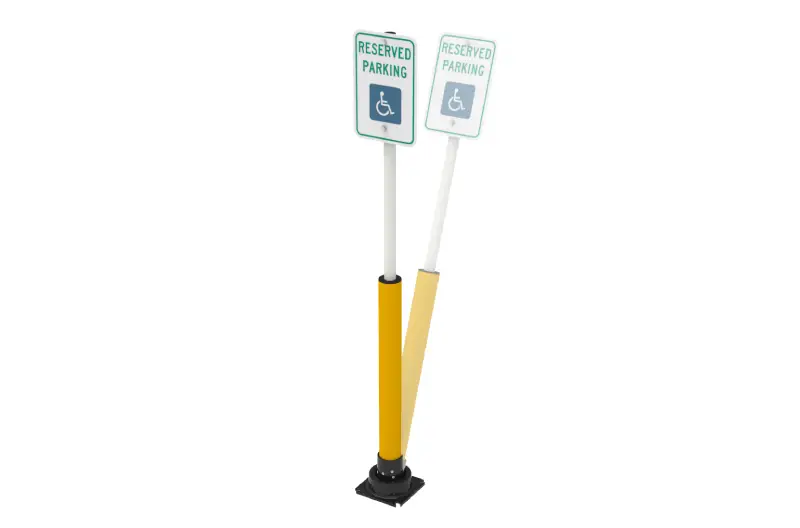
    Flexible sign posts are an essential component of modern traffic and safety management systems. Designed to withstand impact and return to their original position, these sign posts are commonly used in parking lots, roadways, pedestrian zones, and construction sites. Their durability and flexibility make them a cost-effective solution compared to traditional rigid posts. However, proper installation and maintenance are crucial to ensuring their longevity and effectiveness. This guide will walk you through the process of installing and maintaining flexible sign posts with ease.

    Understanding Flexible Sign Posts

    Before diving into installation and maintenance, it’s essential to understand what flexible sign posts are and why they are beneficial. These posts are typically made from materials such as polyurethane, rubber, or plastic, which allow them to bend upon impact and revert to their original shape. They are widely used in areas where vehicle collisions with signage are likely, reducing the need for frequent replacements and repairs.

    Flexible Sign Posts

    Benefits of Flexible Sign Posts

    • Impact Resistance: Unlike rigid metal posts, flexible sign posts can withstand vehicle impacts and return to position.
    • Cost-Effective: Reduces the need for frequent replacements, saving on maintenance costs.
    • Enhanced Safety: Minimizes damage to vehicles and reduces injury risks for pedestrians and drivers.
    • Weather Resistant: Suitable for various weather conditions, including extreme temperatures, heavy rain, and strong winds.
    • Easy Installation: Most models come with simple mounting systems, making them easy to install and replace.

    Step-by-Step Guide to Installing Flexible Sign Posts

    Gather Necessary Tools and Materials

    Before starting the installation, ensure you have the following tools and materials:

    • Flexible sign post kit (including the post, base, and necessary hardware)
    • Drill and drill bits
    • Wrench set
    • Measuring tape
    • Level
    • Concrete mix (if installing in soil or soft ground)
    • Safety gloves and goggles

    Choose the Right Location

    Selecting the proper location for your flexible sign post is crucial for its effectiveness. Consider the following factors:

    • Visibility: Ensure the sign post is placed in a clear and visible area.
    • Surface Type: Determine whether the installation surface is concrete, asphalt, or soil, as this affects the anchoring method.
    • Safety Considerations: Avoid placing sign posts too close to pedestrian walkways or driveways where they may obstruct movement.

    Prepare the Installation Site

    For a stable and secure installation, prepare the site by:

    • Cleaning the surface to remove debris, dirt, and loose particles.
    • Marking the drilling points using the base plate as a guide.
    • Ensuring the surface is level to prevent tilting after installation.

    Installing on Different Surfaces

    Installing on Concrete or Asphalt

    Use a drill to create holes at the marked points.

    Insert the provided anchor bolts into the drilled holes.

    Position the base plate over the holes and secure it using bolts.

    Tighten the bolts firmly to ensure stability.

    Attach the flexible sign post to the base as per the manufacturer’s instructions.

    Installing on Soil or Grass

    Dig a hole deep enough to accommodate the base and provide stability.

    Fill the hole with concrete mix and insert the base plate before the concrete sets.

    Allow the concrete to cure for at least 24 hours before attaching the post.

    Secure the flexible sign post onto the base as directed.

    Tips for Maintaining Flexible Sign Posts

    Regular Inspections

    Frequent inspections help identify potential issues early. Check for:

    • Signs of wear and tear, such as cracks or fading.
    • Loose bolts or unstable bases.
    • Dirt or debris accumulation that may affect visibility.

    Cleaning and Upkeep

    Keeping flexible sign posts clean enhances their visibility and longevity. Use mild detergent and water to wash the post, and avoid harsh chemicals that could damage the material.

    Replacing Damaged Parts

    If any part of the sign post is damaged, replace it immediately to maintain its effectiveness. Most flexible sign posts have interchangeable components, making repairs simple.

    Ensuring Proper Bolt Tightness

    Over time, bolts may loosen due to vibrations or weather conditions. Periodically check and tighten bolts to prevent instability.

    Protecting Against Extreme Weather Conditions

    • In hot climates, ensure the material used is UV-resistant to prevent degradation.
    • In cold areas, choose flexible sign posts designed to withstand freezing temperatures.

    Conclusion

    Installing and maintaining flexible sign posts is a straightforward process when following the correct steps. These posts offer a durable and cost-effective solution for traffic management and safety, reducing the frequency of replacements and repairs. By conducting regular inspections, cleaning, and timely repairs, you can ensure that your flexible sign posts remain in optimal condition for years to come. Whether for parking lots, roads, or construction sites, these sign posts are a valuable investment in improving visibility and safety.

    Resource URL:

    https://roadly.ca/product-category/parking-lot-supplies/flexible-sign-posts/

    https://en.wikipedia.org/wiki/Signage

  • What Happens If You Stop Getting Juvederm? Understanding The Long-Term Effects

    What Happens If You Stop Getting Juvederm? Understanding The Long-Term Effects

    Juvederm is a popular dermal filler widely used for facial rejuvenation, helping individuals achieve a more youthful and refreshed appearance. In Washington DC, many individuals turn to Juvederm treatments to address wrinkles, fine lines, and volume loss in the face. This FDA-approved filler contains hyaluronic acid, a naturally occurring substance in the skin that retains moisture and adds volume. However, a common question among patients is: what happens if you stop getting Juvederm? Understanding the long-term effects of discontinuing Juvederm treatments can help individuals make informed decisions about their aesthetic plans.

    How Juvederm Works In The Skin?

    Juvederm in Washington DC is sought after for its ability to restore volume and smooth out wrinkles instantly. The filler is injected beneath the skin to plump up areas that have lost volume due to aging or other factors. Over time, the body naturally absorbs the hyaluronic acid, which is why Juvederm treatments are temporary. Depending on the specific product used (such as Juvederm Ultra, Voluma, or Volbella), the results can last anywhere from six months to two years. Regular maintenance treatments help sustain the desired look, but what happens when these treatments are stopped.

    Immediate Changes After Stopping Juvederm

    One of the biggest misconceptions about stopping Juvederm is that the skin will sag or wrinkle more than before. In reality, once the filler is metabolized by the body, the skin simply returns to its natural state. However, individuals may perceive changes differently based on the following factors:

    • Natural Aging Process: Since Juvederm enhances volume and smooths out fine lines, discontinuing treatments means the aging process continues as usual. Wrinkles and volume loss may become more noticeable over time, but this is not due to stopping Juvederm—it is simply how the skin naturally ages.
    • Gradual Breakdown: Juvederm does not disappear suddenly; instead, it gradually breaks down, allowing the skin to adjust slowly. This means there is no abrupt or drastic change in appearance.
    • Skin Hydration and Elasticity: Because Juvederm is made of hyaluronic acid, which retains moisture, stopping treatments may lead to a slight decrease in skin hydration, making fine lines appear more prominent.

    Long-Term Effects Of Stopping Juvederm

    When individuals in Washington DC stop getting Juvederm, the long-term effects depend on several factors, including age, skin quality, and lifestyle choices. Here’s what to expect:

    1. Volume Loss Becomes Noticeable

    Juvederm provides volume by filling in areas affected by aging. Once the filler is completely metabolized, those areas may gradually return to their pre-treatment state. If a person had significant volume loss before starting Juvederm, they might notice a more dramatic change after stopping treatments.

    2. Wrinkles and Fine Lines May Reappear

    Juvederm smooths out wrinkles, but once the filler dissolves, lines may become more visible again. However, these lines will not be worse than before unless other aging factors, such as sun damage or decreased collagen production, come into play.

    3. Skin Might Appear Less Hydrated

    Hyaluronic acid in Juvederm naturally attracts water, which helps keep the skin looking plump and hydrated. Without the filler, the skin may appear drier, but maintaining a good skincare routine with hyaluronic acid serums and moisturizers can help counteract this effect.

    4. Collagen Stimulation Benefits Remain

    Some studies suggest that dermal fillers like Juvederm stimulate collagen production, which means the skin may retain some improvement even after stopping treatments. While the filler itself dissolves, the structural support provided by newly produced collagen may help maintain a youthful appearance for some time.

    5. Aging Progresses Naturally

    Whether or not a person continues Juvederm, the natural aging process will continue. Genetics, lifestyle factors, and skincare habits all play a role in how skin ages over time. Some individuals might notice changes sooner, while others may maintain their results longer.

    How To Maintain A Youthful Look Without Juvederm?

    For those in Washington DC who decide to stop getting Juvederm but still want to maintain a youthful appearance, there are several options available:

    1. Prioritize a Skincare Routine

    A proper skincare routine can help preserve skin quality. Using products with hyaluronic acid, retinoids, antioxidants, and sunscreen can slow down signs of aging and keep the skin looking fresh.

    2. Consider Alternative Treatments

    Many non-invasive cosmetic treatments can help maintain youthful skin without the use of dermal fillers, including:

    • Microneedling: Stimulates collagen production for firmer skin.
    • Laser Treatments: Improves skin texture, tone, and elasticity.
    • Botox: Helps prevent wrinkles from forming by relaxing facial muscles.

    3. Stay Hydrated and Maintain a Healthy Diet

    Hydrated skin looks plumper and healthier. Drinking plenty of water and consuming a diet rich in antioxidants, vitamins, and healthy fats can support skin elasticity and collagen production.

    4. Protect Skin from Sun Damage

    UV exposure accelerates skin aging. Using a high-SPF sunscreen daily can help prevent new wrinkles and maintain skin health.

    5. Facial Exercises and Massage

    Facial exercises and lymphatic massages can improve circulation and promote firmer skin, offering a natural way to keep the face looking youthful.

    When To Restart Juvederm Treatments?

    For individuals in Washington DC who decide to take a break from Juvederm but later want to restart treatments, the good news is that it is safe to do so at any time. Consulting with a qualified provider ensures a smooth transition back to using dermal fillers. Many people choose to return to Juvederm when they notice volume loss or deeper wrinkles becoming more apparent.

    Conclusion

    Juvederm in Washington DC is a highly effective way to enhance facial volume and reduce wrinkles, but stopping treatments does not cause drastic negative effects. The skin will gradually return to its natural state, with volume loss and wrinkles appearing as they would with the natural aging process. While hydration levels may slightly decrease, maintaining a good skincare routine, protecting the skin from sun damage, and exploring alternative treatments can help preserve a youthful look. For those who wish to restart Juvederm, treatments can be resumed at any time without complications. Understanding these long-term effects allows individuals to make confident choices about their aesthetic care, whether they continue Juvederm treatments or explore other options.

    Resource URL:

    https://en.wikipedia.org/wiki/Injectable_filler

    https://www.medicalcosmetic.org/restylane

  • Best Cabin Rentals For Families: What To Look For In A Kid-Friendly Stay?

    Best Cabin Rentals For Families: What To Look For In A Kid-Friendly Stay?

    Planning a family getaway can be a daunting task, especially when searching for the perfect accommodation that caters to both adults and children. California cabin rentals offer an ideal retreat for families looking to explore nature, enjoy outdoor activities, and relax in a cozy environment. However, not all cabins are created equal when it comes to kid-friendly amenities and safety. Knowing what to look for in a family-oriented cabin rental can make all the difference in ensuring a stress-free and enjoyable experience. This guide will walk you through essential factors to consider when selecting the best California cabin rentals for your family vacation.

    Location Matters: Choosing The Right Area In California

    California boasts a diverse landscape, from serene mountain retreats to picturesque lakeside escapes and coastal hideaways. When selecting a family-friendly cabin rental, consider locations that provide easy access to attractions suitable for kids.

    • Lake Tahoe: Ideal for families who love water sports, hiking, and winter activities like skiing.
    • Big Bear Lake: A great choice for families looking for year-round adventure, from snow sports to summer lake fun.
    • Yosemite National Park: Perfect for nature-loving families who want to explore scenic landscapes and wildlife.
    • Shasta Cascade: A quieter destination with waterfalls, lakes, and hiking trails.
    • Santa Cruz Mountains: Offers a mix of forested retreats and proximity to beaches, boardwalks, and amusement parks.

    Essential Amenities For A Kid-Friendly Cabin

    To ensure a smooth and comfortable stay, look for California cabin rentals that offer the following amenities:

    • Safety Features: Childproofed spaces, stair gates, fireplace guards, and secure balconies.
    • Entertainment Options: Wi-Fi, streaming services, board games, books, and toys.
    • Kitchen Facilities: A fully equipped kitchen allows for home-cooked meals, which can be both cost-effective and healthier for kids.
    • Laundry Access: A washer and dryer can be a lifesaver when traveling with children.
    • Outdoor Play Areas: Look for cabins with fenced yards, playsets, or nearby parks.
    • Proximity to Medical Facilities: It’s always good to stay near a town with medical services in case of emergencies.

    Activities And Attractions For Family Fun

    When choosing a California cabin rental, consider nearby activities and attractions that will keep the kids entertained:

    • Hiking Trails: Easy, kid-friendly trails in Yosemite, Big Sur, or Lake Tahoe.
    • Lakes and Beaches: Swimming, paddleboarding, and boat rentals at destinations like Big Bear Lake or Lake Arrowhead.
    • Wildlife Viewing: Exploring national parks with opportunities to see deer, birds, and other wildlife.
    • Amusement Parks and Zoos: Proximity to family attractions like Disneyland, San Diego Zoo, or Santa Cruz Beach Boardwalk.
    • Ski Resorts: Family-friendly slopes at Mammoth Mountain and Big Bear Lake.
    • Local Events and Festivals: Check for seasonal events like pumpkin patches, holiday markets, or summer fairs.

    Types Of Cabin Rentals Ideal For Families

    Depending on your family’s needs, different cabin types may suit you better:

    • Luxury Cabins: Offer high-end amenities like hot tubs, game rooms, and modern conveniences.
    • Rustic Cabins: Provide a more authentic, unplugged experience with minimal distractions.
    • Lakeside Cabins: Ideal for families who love water activities.
    • Pet-Friendly Cabins: Allow families to bring their furry friends along.
    • Eco-Friendly Cabins: Sustainable options that teach kids about nature conservation.

    Budget Considerations

    Family vacations can be costly, but with proper planning, you can find affordable California cabin rentals without compromising comfort:

    • Book in Advance: Secure better deals by reserving your cabin early.
    • Travel Off-Peak: Avoid high-season prices by visiting during spring or fall.
    • Look for Discounts: Many rental platforms offer family discounts, long-stay deals, or loyalty rewards.
    • Share with Another Family: Splitting the cost with friends or relatives can make a luxury cabin more affordable.

    Tips For A Smooth Family Stay

    To make the most of your California cabin rental, keep these tips in mind:

    • Pack Smart: Bring essentials like baby gear, first-aid kits, and favorite snacks.
    • Plan Activities: Have a mix of structured outings and free time.
    • Check Reviews: Read past guest reviews to confirm the rental’s suitability for families.
    • Prepare for Weather: California’s climate varies, so pack accordingly.

    Conclusion

    Finding the perfect California Cabin Rentals for your family requires careful planning, but the effort is well worth it. By choosing the right location, ensuring kid-friendly amenities, and planning engaging activities, your family vacation can be a memorable and enjoyable experience. Whether you’re looking for a lakeside retreat, a mountain escape, or a cozy forest hideaway, California has an abundance of options to cater to every family’s needs. Start your search today and create unforgettable memories with your loved ones.

    Resource URL:

    https://en.wikipedia.org/wiki/Vacation_rental

    https://www.npisforlovers.com/

  • Safety Measures to Follow During a Lake Dredging Project

    Safety Measures to Follow During a Lake Dredging Project

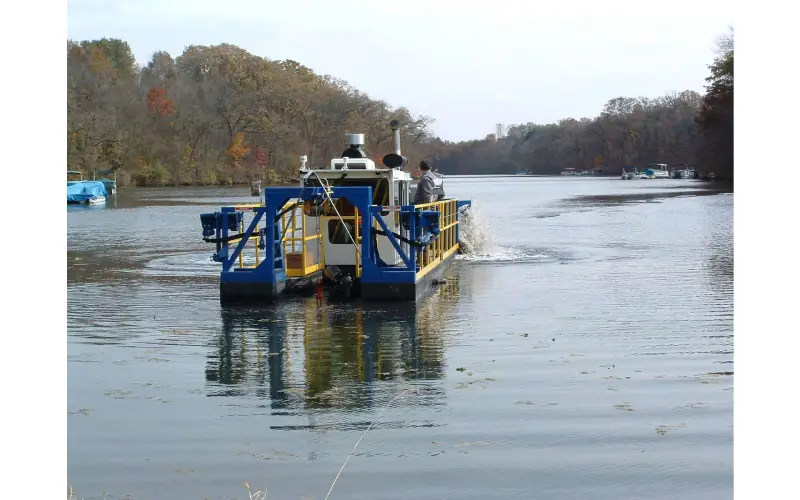
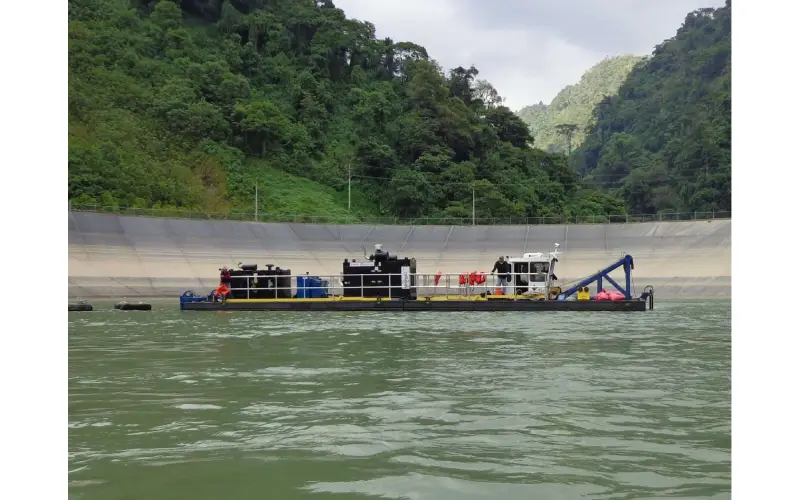
    Lake dredging projects are essential for maintaining the health and sustainability of aquatic ecosystems. However, they also present a number of risks that must be carefully managed to ensure the safety of workers, the surrounding environment, and the local community. Whether you’re involved in the project as a contractor, project manager, or environmental consultant, understanding the safety measures to follow during a lake dredging project is crucial. A well-executed dredging operation can significantly improve water quality, create a safe habitat for aquatic species, and restore natural waterways—but only if safety protocols are rigorously adhered to. This guide will cover key safety measures when undertaking a lake dredge, from equipment handling to environmental precautions.

    Proper Site Assessment And Planning

    Before any lake dredge operation begins, a thorough site assessment is paramount. The planning stage is crucial for identifying potential risks and designing a safe dredging procedure. This includes analyzing the lake’s depth, sediment composition, water flow, and the surrounding infrastructure. A detailed risk assessment will help pinpoint any hazards that might arise during the operation, such as the presence of submerged obstacles, water contamination, or the impact on wildlife.

    lake dredge

    Key Steps in Site Assessment:

    • Hydrological Surveys: To understand the flow of water and any fluctuations that might occur during the dredging process.
    • Sediment Testing: To analyze the composition of lakebed materials to determine whether they contain hazardous substances, such as heavy metals or chemicals.
    • Wildlife Surveys: Identifying species that may be affected by the dredging process, including aquatic life and birds. This information helps in planning mitigation measures.

    Safety Tip: Ensure the dredging site is clearly marked, and access is restricted to authorized personnel only to prevent accidental exposure to hazards.

    Worker Safety Gear And Equipment

    Dredging a lake requires the use of heavy machinery and equipment, such as dredges, cranes, barges, and pumps. The workers operating this equipment are exposed to a variety of risks, including mechanical hazards, drowning, and exposure to contaminants. Ensuring that workers are equipped with the proper safety gear is essential to mitigate these risks.

    Safety Gear Includes:

    • Personal Flotation Devices (PFDs): All personnel working near or on the water should wear a PFD to reduce the risk of drowning in case of an accident.
    • Protective Clothing: Workers should be provided with waterproof and durable clothing to protect against debris, sharp objects, and toxic substances in the water.
    • Eye and Face Protection: Goggles or face shields are necessary when working around potentially hazardous materials or operating machinery that could generate debris.
    • Hearing Protection: Dredging operations are often noisy, and ear protection helps prevent hearing damage.

    Key Equipment Safety Measures:

    • Regular Maintenance of Machinery: Dredging equipment should be regularly inspected and maintained to prevent mechanical failure, which can lead to accidents.
    • Operator Training: Operators should be trained in the proper use of machinery, including emergency shutdown procedures and safety measures in case of malfunctions.
    • Emergency Shutoff Systems: Machines should be equipped with easily accessible shutoff systems to halt operations in the event of a malfunction or emergency.

    Environmental Considerations And Protection

    During lake dredging, it is vital to minimize the environmental impact of the operation. Dredging can stir up contaminants from the lakebed, disturb aquatic habitats, and cause erosion. As part of safety measures, environmental protection strategies should be integrated into the dredging plan.

    Key Environmental Safety Measures:

    • Sediment Containment: Dredging can release sediments into the water column, which may contain harmful contaminants. To mitigate this, the use of silt curtains or sediment containment systems is recommended to prevent the spread of pollutants.
    • Water Quality Monitoring: Regular water testing should be conducted to monitor changes in water quality, such as pH levels, turbidity, and chemical composition. This ensures that any hazardous substances released during dredging do not negatively impact aquatic life or water resources.
    • Erosion Control: Erosion control measures, such as planting vegetation along the shorelines or using erosion barriers, help stabilize the lakebed and prevent sediment runoff into surrounding areas.
    • Wildlife Protection: Consideration should be given to the habitats of endangered or sensitive species. Dredging operations should be scheduled to avoid disrupting the breeding cycles of fish and other aquatic species.

    Safety Tip: Work with environmental consultants to develop a comprehensive Environmental Management Plan (EMP) that addresses the specific needs of the lake ecosystem.

    Hazardous Material Management

    One of the most critical safety concerns in lake dredging is the potential presence of hazardous materials within the sediment. Toxic substances, such as heavy metals (lead, mercury, arsenic), petroleum products, or even pharmaceuticals, may be present in contaminated sediments. If these materials are stirred up during dredging, they pose a serious risk to both human health and the environment.

    Proper Hazardous Material Management Includes:

    • Hazardous Material Identification: Testing the dredged material for contaminants before disposal. This can include testing for industrial chemicals, heavy metals, and other pollutants.
    • Containment and Disposal: If hazardous materials are identified, they must be handled according to environmental regulations. This may involve storing them in sealed containers for safe disposal or transporting them to approved hazardous waste facilities.
    • Spill Response Plans: In the event of a spill, having an emergency response plan in place is essential. This includes having spill containment equipment, such as absorbent booms or pads, readily available.

    Safety Tip: It is crucial to follow local and federal environmental guidelines for the handling and disposal of contaminated dredge materials to avoid fines and legal issues.

    Safety Training And Emergency Procedures

    Even with all the necessary equipment and planning, accidents can still happen. Having a comprehensive safety training program and emergency response plan is essential for managing these situations effectively.

    Essential Components of Safety Training:

    • First Aid and CPR Certification: Ensure that all personnel involved in the dredging operation are trained in first aid and CPR. It is also beneficial to have trained medical personnel on-site for larger operations.
    • Emergency Evacuation Plans: Workers should be familiar with the evacuation routes in case of an emergency, such as a flood, fire, or equipment malfunction.
    • Hazard Communication: Ensure that all workers are informed of potential hazards on the site, such as the presence of toxic substances, and know how to respond if they encounter them.
    • Regular Drills: Conduct regular safety drills to practice emergency procedures, including rescue operations and evacuation.

    Safety Tip: Keep communication devices, such as radios or cell phones, easily accessible to all workers in case of an emergency.

    Ongoing Monitoring And Supervision

    Throughout the dredging project, continuous monitoring is crucial to ensure that safety measures are being followed, and any issues are addressed promptly.

    Key Monitoring and Supervision Aspects:

    • Site Inspections: Regular safety inspections should be conducted to identify any potential hazards that may arise as the dredging progresses.
    • Progress Reporting: Regular progress updates should be shared with stakeholders, including any incidents, safety concerns, or changes in environmental conditions.
    • Corrective Actions: If any safety issues are identified, corrective actions must be taken immediately. This could include adjusting equipment, changing work practices, or halting operations until the issue is resolved.

    Safety Tip: Assign a dedicated safety officer or supervisor to oversee safety throughout the dredging project.

    Conclusion

    Lake dredging projects are complex operations that require careful planning, adherence to safety protocols, and constant vigilance to ensure the safety of workers and the environment. By implementing proper safety measures, from assessing the site to ensuring the safe operation of machinery and managing hazardous materials, a lake dredging project can be executed successfully with minimal risk. Whether you’re managing a small-scale project or a large-scale dredging operation, following these safety measures will help protect all involved and ensure the sustainable and safe restoration of lake ecosystems.