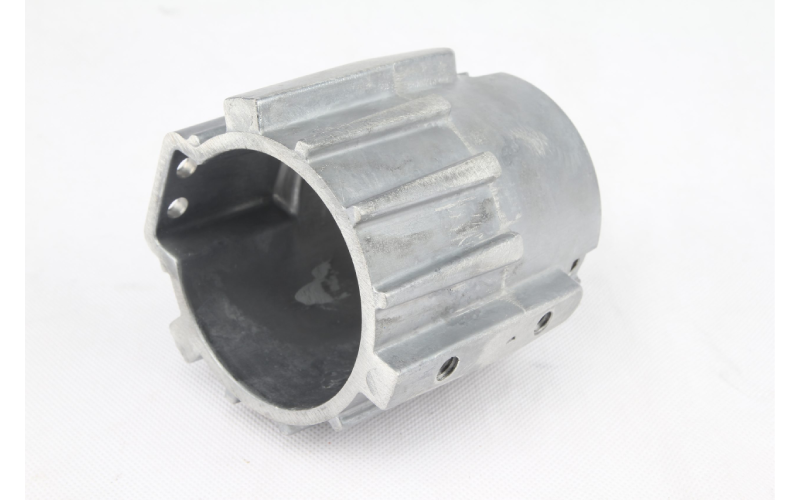
Aluminum casting alloys have become a popular choice for manufacturers across various industries due to their numerous advantages. These alloys are made up of a combination of elements, such as aluminum, copper, zinc, and magnesium, and are created through the process of casting. This process involves pouring molten metal into a mold and allowing it to solidify, resulting in a wide range of products, from small components to large machinery parts. In this article, we will explore the many advantages of aluminum casting alloys, and how they have revolutionized the manufacturing industry.
Understanding The Basics Of Aluminum Casting Alloys
Aluminum is the third most abundant element on Earth, making it a highly accessible and economical choice for casting alloys. It is also incredibly lightweight, with a density one-third that of steel, making it an ideal choice for applications where weight is a crucial factor. Additionally, aluminum casting alloys are highly malleable and ductile, allowing them to be easily shaped into complex designs. This versatility makes them suitable for a wide range of industries, from aerospace and automotive to electronics and construction.
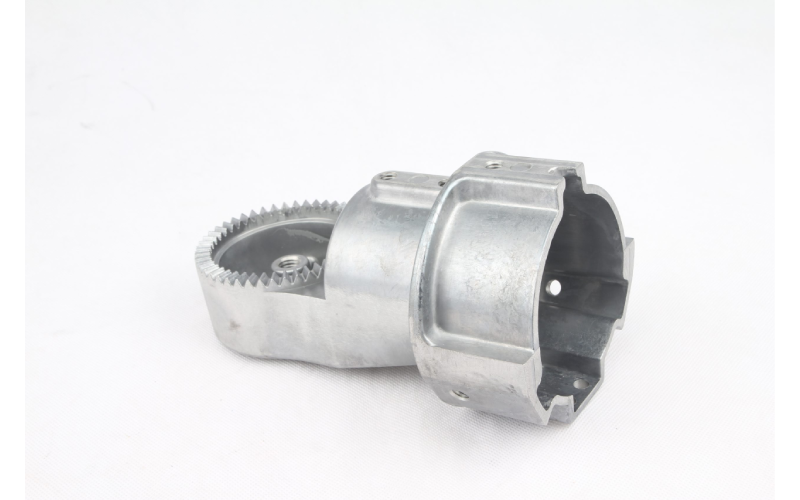
Benefits Of Using Aluminum Casting Alloys In Manufacturing
One of the most significant advantages of aluminum casting alloys is their ability to cast into intricate shapes and designs accurately. This accuracy is crucial in industries such as aerospace, where precision is essential. The use of aluminum alloys also results in a smoother surface finish, reducing the need for post-casting processing. This not only saves time and resources but also results in cost savings. Additionally, aluminum casting alloys have excellent thermal and electrical conductivity, making them a popular choice for heat sinks and electrical components.
Exploring The Many Applications Of Aluminum Casting Alloys
As mentioned earlier, aluminum casting alloys are utilized in a wide range of industries, thanks to their numerous properties. In the automotive industry, their lightweight yet robust characteristics make them an ideal choice for components such as engine blocks, transmission cases, and wheel rims, resulting in improved fuel efficiency and performance. They are also widely used in the construction of structures such as bridges, buildings, and even boats, due to their corrosion resistance.
Advantages Of Lightweight And Strong Aluminum Casting Alloys
One of the primary reasons for the increasing popularity of aluminum casting alloys is their exceptional strength-to-weight ratio. This allows manufacturers to create parts and components that are lighter in weight, without compromising on strength and durability. This is particularly advantageous in industries such as aerospace, where every additional pound can significantly impact the performance of an aircraft. The lightweight nature of aluminum alloys also results in fuel savings and reduced carbon emissions in transportation and other industries.
The Economic Advantages Of Aluminum Casting Alloys In Production
In addition to their physical properties, aluminum casting alloys also offer several economic advantages. Due to the abundance of aluminum, it is more cost-effective than other metals such as steel and copper. Its low melting point also means that it can be cast using simpler and less expensive equipment, resulting in cost savings in production. Furthermore, due to its high recyclability, aluminum casting alloys create a closed-loop system, making them more sustainable and reducing the need for new raw materials.
How Alloy Composition Affects The Properties Of Aluminum Casting Alloys?
The addition of different elements to aluminum casting alloys has a significant impact on their properties. For example, the addition of magnesium results in improved strength and corrosion resistance, while the addition of silicon improves the casting ability of the alloy. Manufacturers can tailor the composition of the alloy to meet specific requirements, resulting in highly customized and specialized products. This makes aluminum casting alloys a versatile option for a wide range of applications.
Innovations In Processing Techniques For Aluminum Casting Alloys
Advancements in technology have also led to innovations in the processing techniques for aluminum casting alloys. This has resulted in improved casting accuracy, reduced waste, and quicker production times. The use of computer simulations and 3D printing has made it easier to design and produce complex components with greater precision. Additionally, advancements in heat treatment processes have resulted in improved mechanical properties of the alloys, making them even more desirable for high-performance applications.
Conclusion
The advantages of aluminum casting alloys are numerous and have greatly impacted the manufacturing industry. Their lightweight, strength, accuracy, and economic benefits make them a popular choice for diverse applications. With the continual advancements in technology and processing techniques, aluminum casting alloys are set to play an even more significant role in shaping the future of manufacturing.

Introducing Calvin Parker, a wordsmith residing in the ever-evolving landscapes of the United States. Amidst the flux of cities, Calvin crafts compelling narratives that transcend boundaries. With a penchant for storytelling, Calvin is not only an accomplished author but also a contributor to magazines and news channels, weaving tales that captivate audiences across the diverse tapestry of American locales.
Leave a Reply